
Unibet fined $1 million for breaches of self-exclusion regulations
The Australian parent company of online wagering platform Unibet has been fined more than $1 million over its failure to close the betting accounts of almost 1000 customers who had registered for self-exclusion.
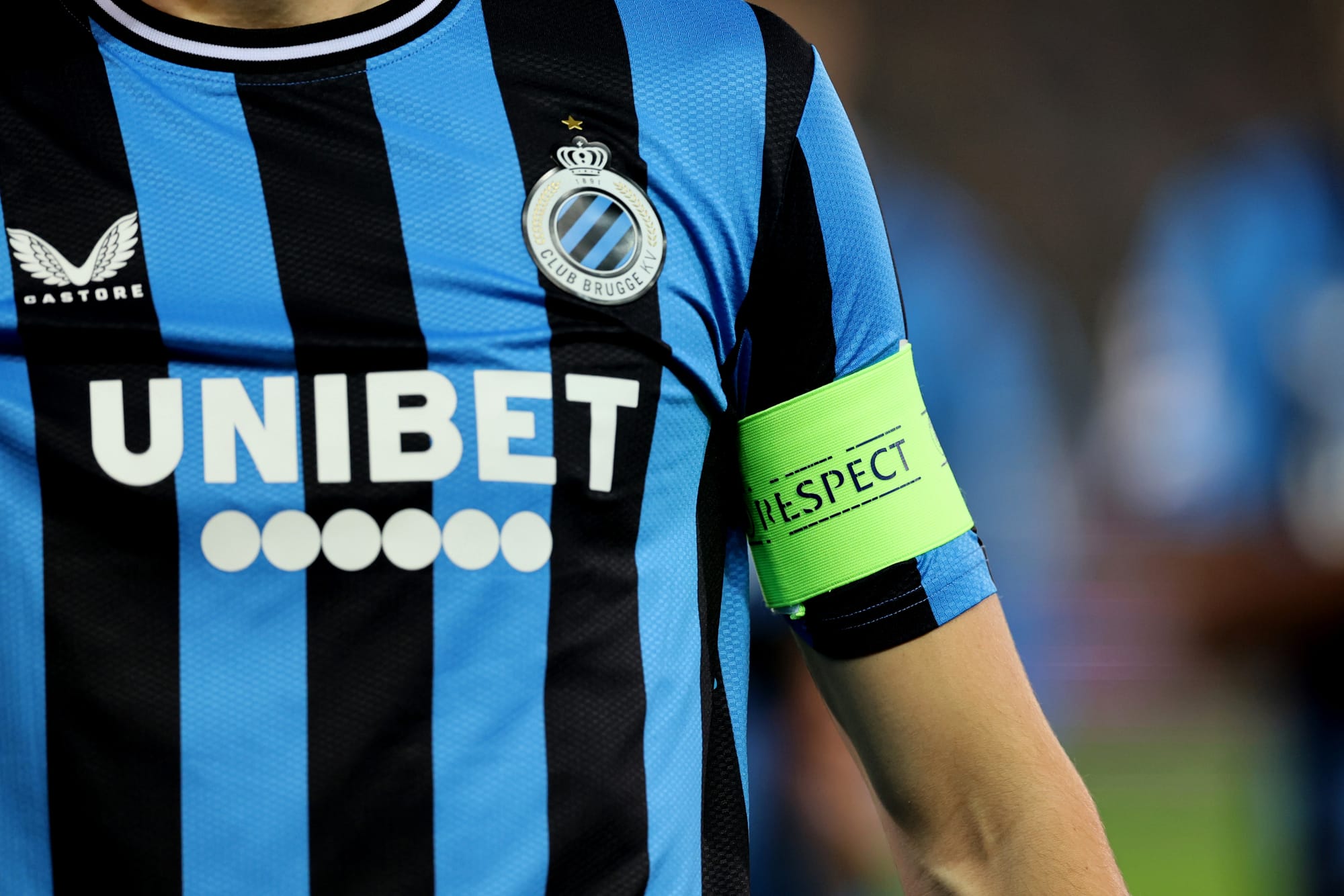
Betchoice Corporation, which trades as Unibet, has been hit with a $1,014,120 penalty following an Australian Communications and Media Authority (ACMA) investigation.
ACMA found Unibet guilty of more than 100,000 contraventions of Australia’s Interactive Gambling Act.
The regulator’s probe discovered that the accounts of 954 holders had not been closed despite the customers registering with BetStop – the National Self-Exclusion Register (NSER).
In 45 of these cases, the investigation found that customers’ accounts remained open for at least 190 days, including many who had registered to self-exclude from online and telephone betting on the first day of the NSER.
The ACMA says while none of these customers were able to place bets during their self-exclusion period, the accounts should have been closed.
Unibet also provided wagering services to 45 customers after they were no longer registered with the NSER, using old accounts that should have been closed.
The ACMA found evidence that Unibet customers were able to place thousands of bets through their previous accounts after their NSER registration ended.
One customer placed more than 1200 bets using their old account.
Unibet has voluntarily undertaken to issue refunds to affected customers who were able to access accounts that should have been shut.
Unibet’s breaches follow a $500,800 fine issued last week by the communications regulator to PointsBet for violating Australia’s e-marketing and gambling self-exclusion laws.
The ACMA found PointsBet sent more than 800 messages that breached Australia’s spam laws.
PointsBet also acted in contravention of laws relating to the NSER by delaying closing accounts of customers who had registered.
It also sent marketing messages to self-excluded gamblers with a direct link to its betting products without displaying an unsubscribe function.
On top of the financial penalty, Unibet has accepted a two-year court-enforceable undertaking that commits the wagering firm to an independent review of its compliance systems and processes and the implementation of ACMA-recommended improvements.
 Bren O’Brien
Under the IGA rules, if the person’s self-exclusion ends and they choose to wager again, they must create a new betting account rather than being allowed to log into their existing one.
Once an individual registers with the NSER, wagering service providers must close that person’s account as soon as practicable, with additional contraventions for each day the account remains open.
ACMA member and gambling lead Carolyn Lidgerwood said this was a significant lapse in Unibet’s NSER compliance.
“Our investigation found very serious breaches by Unibet over a sustained period of time,” she said.
“Taking in some cases 190 days to close accounts is clearly unacceptable and does not reflect the decisions made by Unibet customers to seek support to help them not gamble.
“The NSER rules are also there to ensure that people are making a clear and deliberate choice to recommence gambling. That is not the case if they can simply access old accounts.
“We recognise that no bets were made from these Unibet accounts or marketing sent while customers were self-excluded.
“However, this outcome puts the industry on notice that they must comply with the rules or face potential financial penalties and other actions available to the ACMA under the IGA,” she said.
 Bren O’Brien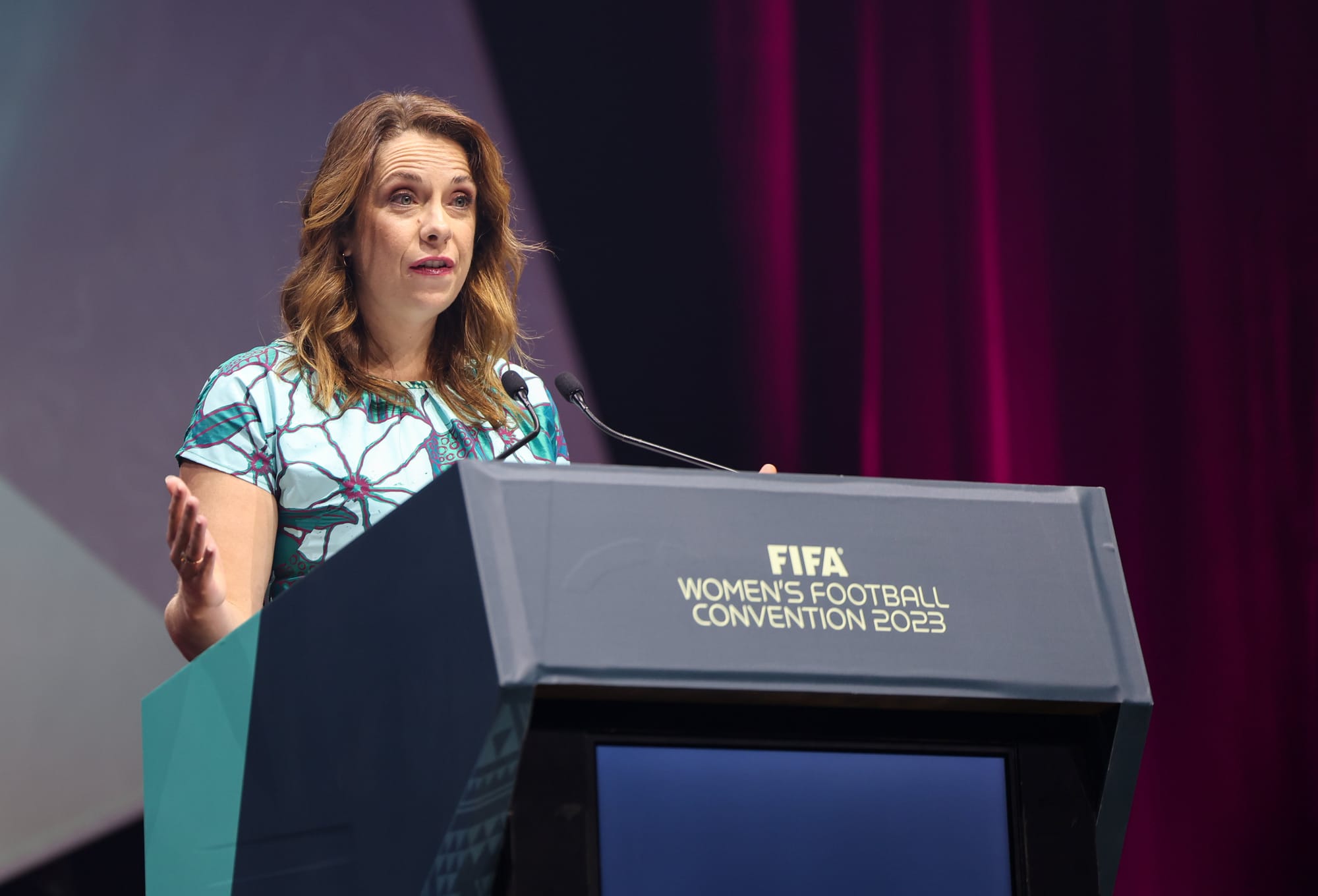
Unibet and its global parent companies have been heavily fined for similar breaches in other jurisdictions.
In December it received a $A700,000 penalty from the Dutch regulator for allowing self-excluded customers to sign-up during the 2022 FIFA World Cup.
France’s gambling authority also issued Unibet with a $A1.4 million fine in March over a major malfunction in its self-exclusion system between 2021 and 2023.
In 2023 Betchoice was fined $60,000 for offering illegal gambling inducements to NSW residents following a Liquor & Gaming NSW investigation.
The penalty was imposed in Sydney’s Downing Centre Local Court after Betchoice was convicted of breaching NSW gambling laws.
Related Articles
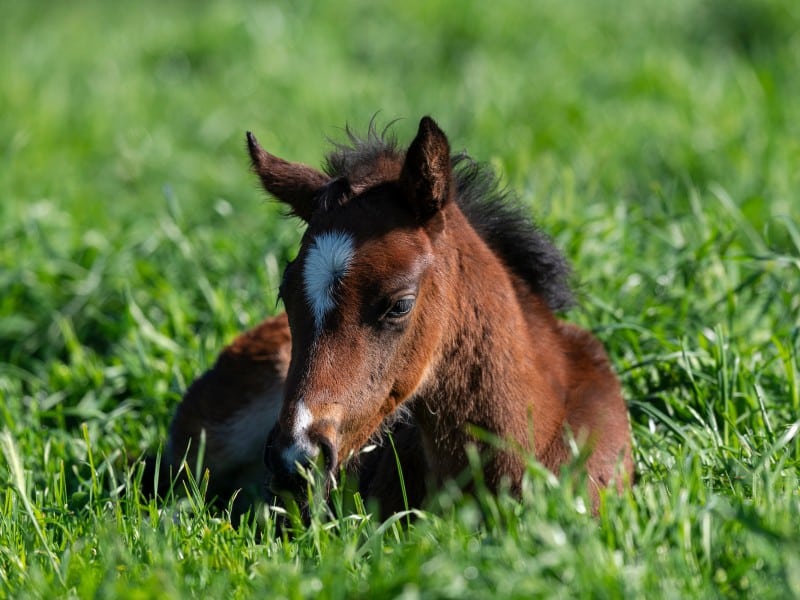
Foal reprieve – Racing Australia’s amnesty opens up second chance for ineligible racehorses
Breeders who have fallen afoul of tighter enforcement of foal registration deadlines will be given a second chance, with Racing Australia announcing an amnesty for horses that had previously been banned from racing.
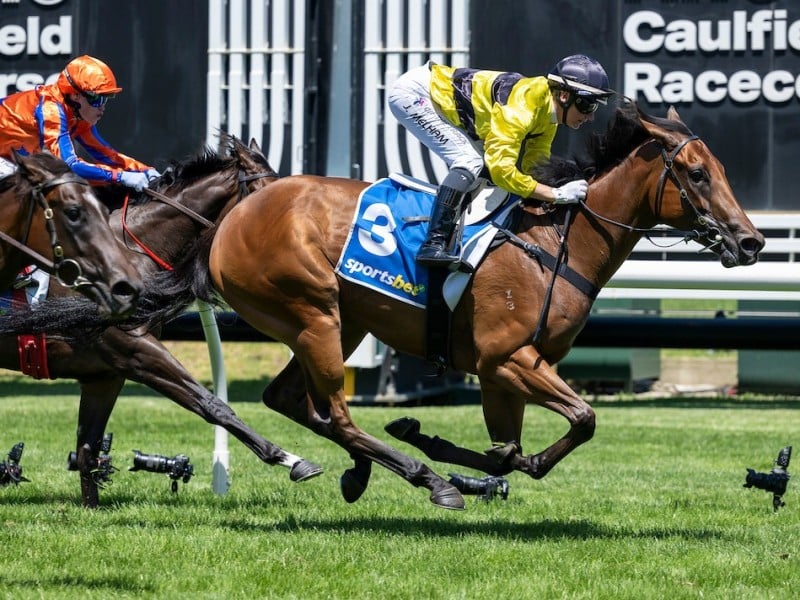
Streisand and Paradoxium transfer into Yulong green ahead of likely Inglis Sires’ clash
Streisand and Paradoxium have joined the Yulong thoroughbred empire in a high-profile switch ahead of the Group 1 Inglis Sires’ at Randwick.
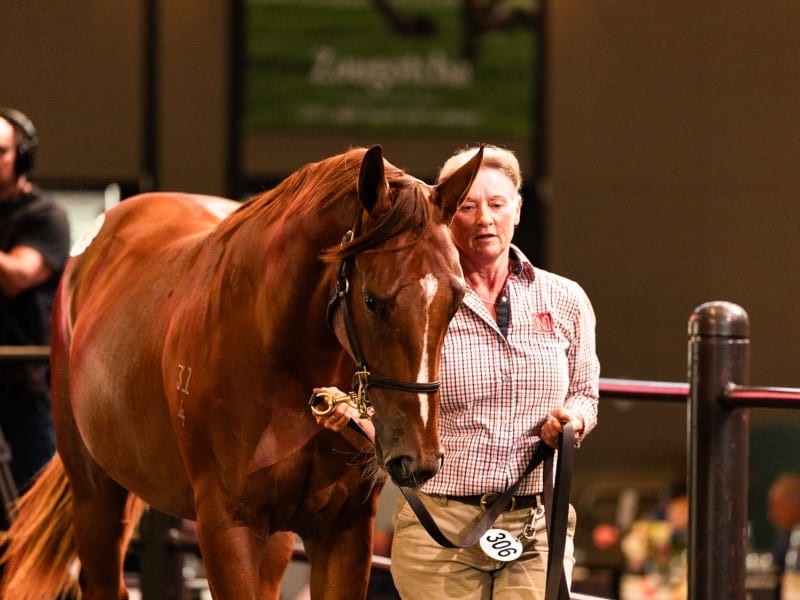
Run The Numbers – Yearling market grows despite drops at biggest sales
Australia’s yearling market has grown in almost every key indicator to this point in 2026, despite the two major sales taking a step back. Run The Numbers takes the temperature after the Australian Easter Yearling Sale.