
British industry demands stronger action on illegal gambling
In parallel with concerns expressed by the Australian wagering industry, the Betting and Gaming Council in the United Kingdom has outlined a five-point plan to stop British bettors from turning to black-market operators.
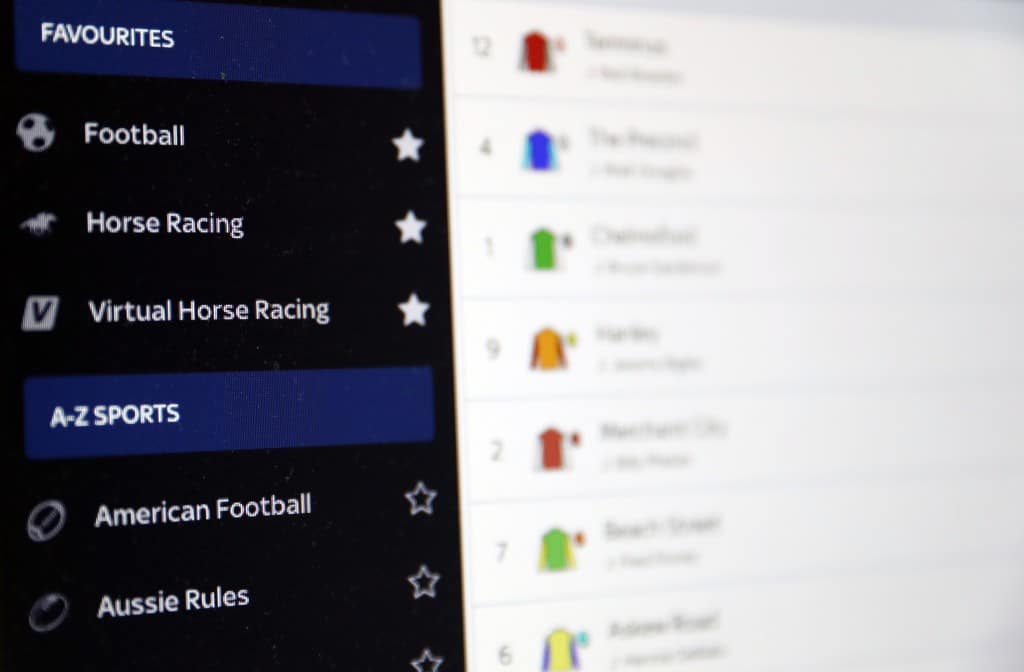
The UK’s Betting and Gaming Council (BGC) has launched a sweeping five‑point plan to combat the rapid rise of illegal online gambling, warning the issue is no longer fringe but a systemic threat to regulated markets.
In a message that also reflects challenges facing Australia’s wagering sector, the BGC, which represents around 90 per cent of Britain’s licensed betting and gaming industry, said coordinated action across government, regulators, technology platforms and financial institutions is essential to stem the growth of the black market.
Independent analysis from H2 Gambling Capital forecasts black market turnover could surge from £17 billion in 2025 to more than £33 billion by 2028, with almost one in every five pounds wagered online placed with unlicensed operators within three years.
Grainne Hurst, chief executive of the BGC, described the forecasts as a clear inflection point for policymakers.
“The black market is growing fast, becoming more visible and attracting billions of pounds in stakes from British consumers,” she said. “These forecasts are a wake-up call for everyone involved in protecting consumers.”
She warned that the implications extend far beyond industry economics.
“That should concern anyone who cares about consumer protection and reducing gambling-related harm,” Hurst said, adding that illegal operators offer none of the consumer protections required in the regulated sector.
The UK proposals arrive at a time when Australia is experiencing parallel pressures. Research commissioned by Responsible Wagering Australia estimates the domestic offshore gambling market has already grown to around $3.9 billion annually, roughly 36 per cent of all online gambling activity, and could reach $5 billion by 2029.
Similar research says that Australian consumers are often drawn to offshore providers by product availability, pricing and fewer restrictions.
Industry stakeholders have warned that these platforms frequently operate outside regulatory oversight, exposing users to fraud risks and depriving them of access to responsible gambling tools and dispute mechanisms.
The BGC’s five‑point plan is designed to target the entire illegal gambling ecosystem.
It calls for social media and technology companies to be held accountable for removing illegal gambling advertising, noting unlicensed operators are increasingly using digital channels to reach consumers.
Secondly, the BGC is urging regulators to strengthen their ability to block illegal websites and apps, amid concerns operators can quickly replicate sites and mimic legitimate brands.
In Australia, regulator ACMA has shut down thousands of illegal websites, only to see the same operators pop up under different brands.
Thirdly, the plan targets the financial backbone of the black market by pushing payment providers to block transactions linked to illegal operators.
It also proposes penalties for businesses that facilitate illegal gambling, from advertising networks to hosting providers, recognising the broader ecosystem that enables the growth of the black market.
Finally, the BGC is calling for stronger criminal sanctions against those who operate or profit from illegal gambling enterprises.
“The evidence is already clear,” Hurst said. “Illegal operators are targeting consumers online, advertising through social media, processing payments through legitimate financial systems and exploiting gaps in enforcement.”
“If policymakers fail to tackle this growing threat, more gambling will take place in environments with no safeguards, no oversight and no consumer protections.”
As part of broader wagering reforms set to be put forward to the federal parliament in Australia later this year, the federal government has recently announced measures to strengthen and expand the ACMA’s website-blocking scheme and to block payments to illegal offshore sites.
Author

Related Articles
‘Price matters’- Wagering body slams POCT bungle as ACT government predicts revenue growth
The ACT government is banking on a 25 per cent surge in betting tax revenue despite clear signs that its record-high point-of-consumption tax rates have already dented the market.
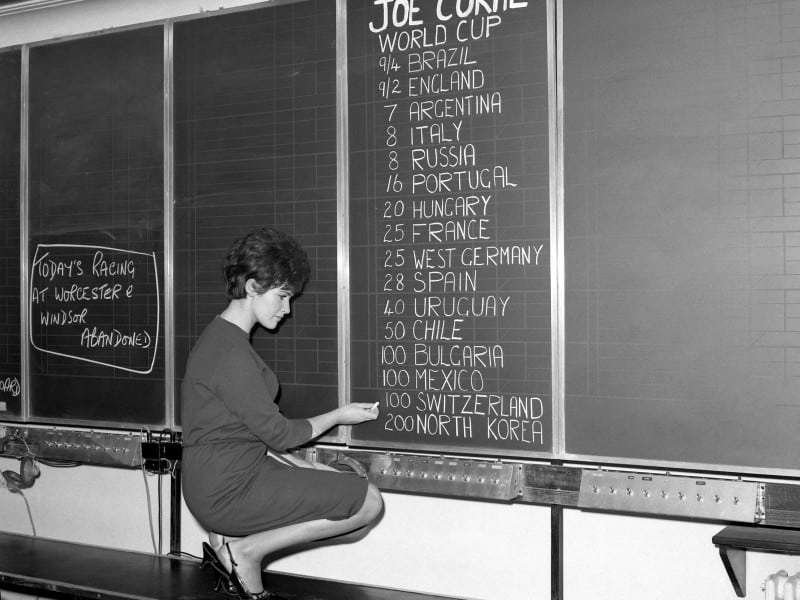
‘30 Super Bowls or 20 AFL grand finals’ – Why the World Cup is wagering’s most valuable sporting event
The 2026 FIFA World Cup is projected to generate a record $US60 billion in legal wagering, underscoring the tournament’s unrivalled value to bookmakers and regulators worldwide.
Anti-illegal betting council strengthens taskforce with addition of three expert members
The IFHA’s Council on Anti-Illegal Betting and Related Crime has strengthened its global expertise with the appointment of three leading integrity and sports law specialists as it expands international efforts to combat illegal gambling and protect the integrity of racing and sport.
