
PointsBet adds to calls warning gambling reforms could strengthen offshore operators
PointsBet has detailed advertising cutbacks, tighter VIP controls and its concerns over compliance costs during its annual general meeting, while urging Canberra to target offshore operators, influencers and payment channels.
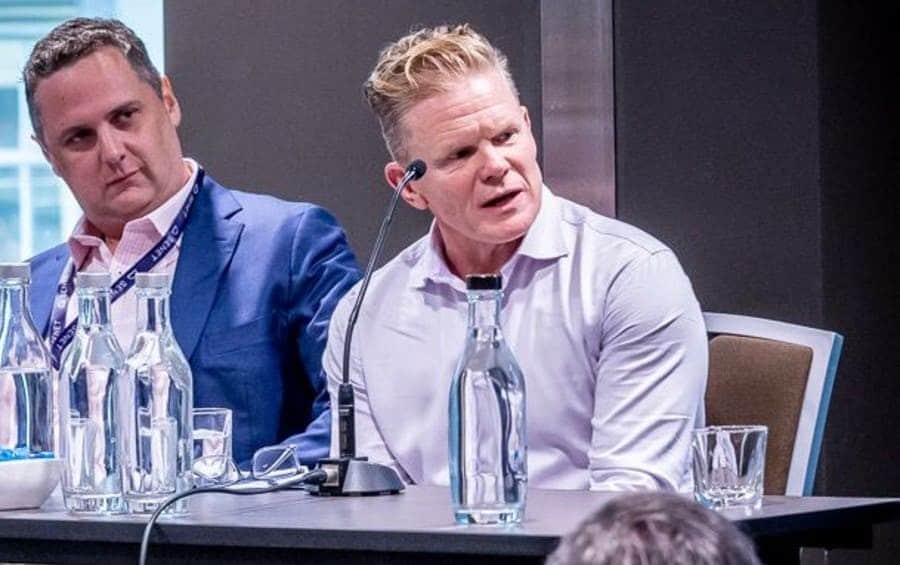
PointsBet has backed the Australian government’s gambling advertising reforms in principle but says the new laws could make life considerably more difficult for licensed wagering operators while strengthening the hand of illegal offshore competitors.
The warning came from PointsBet Group chief executive Andrew Catterall at the corporate bookmaker’s annual general meeting, where he said the company had supported “pragmatic reform” for three years but was reserving judgement until the detail of the package became clearer.
“We are now keen to see it done well,” Catterall said in his address to shareholders.
PointsBet had already moved to reduce its exposure to gambling advertising, including voluntarily ending major sponsorship agreements with NRL clubs Manly and Cronulla in 2025 and materially reducing its free-to-air television expenditure.
While the federal government’s gambling advertising reform package has now passed through parliament, PointsBet is still waiting for precise definitions and guidance from the relevant agencies on how the new framework will operate.
“What’s clear at this point, though, is that the operating model for licensed Australian wagering operators post-reform will get even more complicated and more expensive,” Catterall, who took over as Group CEO earlier this year, said.
He cautioned that the additional regulatory burden could create an unintended advantage for offshore bookmakers that operate outside Australia’s controlling and taxation framework.
“No one involved in the gambling advertising reform debate should want this to afford even more advantage to the illegal offshore operators who currently don’t follow any of the rules, don’t pay any Australian tax, don’t answer to any Australian authorities, and represent a very real and growing risk to the protection of Australian consumers,” he said.
Catterall urged the government to ensure regulators were given sufficient resources and powers to tackle the offshore market as the advertising reforms move into their implementation phase.
His comments came as shareholders questioned PointsBet executives about inducements and the conduct of VIP managers, following evidence presented to a recent Senate inquiry into gambling.
Catterall says some of the behaviour described during the inquiry had “no place in this industry” and outlined changes PointsBet had made to its VIP operation.
He said all expenditure by VIP account managers was tracked through the company’s financial systems, while conversations with customers were conducted on recorded lines.
The company had also restructured remuneration for internal VIP account managers and external business development managers, he said, prioritising compliance performance and removing direct commissions based on customer losses.
Catterall said PointsBet refers tailors its generosities to individual customers but subject to tracking, auditing, approval thresholds and internal controls.
“Clearly some clients wager more than others and clearly the associated things like deposit matches and bonus bets scale with volume,” he said.
However, larger wagering customers were also subject to stringent, ongoing checks covering know-your-customer requirements, anti-money laundering and responsible service of gambling obligations.
Chairman Brett Paton said the board had continued to monitor the company’s controls, with technology playing an important role in identifying unusual behaviour, particularly in relation to anti-money laundering and responsible gambling.
He said internal audits also helped the board review the company’s protocols and controls, while PointsBet’s Japanese-listed parent, MIXI, had brought additional governance oversight.
The offshore market was another focus of shareholder questioning, with Catterall estimating it represented about 30 per cent of the licensed domestic wagering market and was growing at a considerably faster rate than the regulated offering.
He said PointsBet’s taxation and product-fee burden was now equivalent to about 50 per cent of its revenue, highlighting the financial advantage available to offshore operators that avoided Australian taxes and regulatory costs.
Catterall identified several areas where he believed government intervention could make a difference, including faster removal of illegal gambling advertising from digital platforms.
“Real-time takedown is important and this is on online digital platforms,” he said.
He acknowledged that offshore operators were sophisticated and could “phoenix their brands” or conceal them behind other advertising accounts, but said illegal gambling promotions remained readily visible across social media.
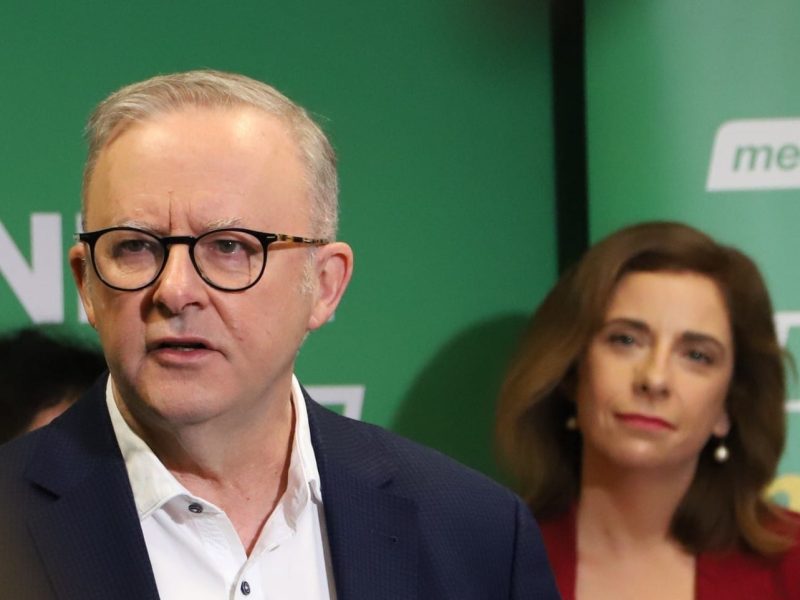
The senior executive said payments providers and banks should also be examined as a way to prevent Australians from transferring funds to illegal operators
He pointed to Canada, where data providers are restricted from servicing black-market operators, as a possible model for Australia, while also citing New Zealand’s efforts to channel punters towards licensed wagering providers.
He also called for tougher restrictions on Australian-based influencers receiving commissions from offshore operators to promote their services.
“That needs to be shut down. There’s a raft of things to get at there and we really need a concerted effort to get at it,” he said.
The AGM approved the re-election of former Group CEO Sam Swanell as a director for the next three years. He will also continue to work as a consultant with the business.
“In terms of the issue regarding Sam’s joint role, essentially being a director and a consultant, he has 10 years of experience in the prior experience 10 years before being a founder of PointsBet, that includes two other previous different roles in the industry at a senior level,” Paton said.
“We just feel that at the Board level, we feel that that equips us extremely well in what is a highly regulated and highly competitive market.”
Related Articles
🔒 🔒 Cost-cutting pays as leaner Tabcorp delivers more bang for same buck
Tabcorp has delivered significantly higher earnings from almost unchanged revenue, as cost-cutting measures and operational improvements continue to underpin the company’s turnaround, and sports wagering continues to take share from racing.

🔒 🔒 Cookie-cutter bookies – The online gambling platform built in 24 days
Yolo Investments, the venture gaming firm founded by Australian entrepreneur Tim Heath, claims an AI-native team launched a fully licensed real-money casino and sportsbook in just 24 days. It is just the latest example of how AI will disrupt the global gambling industry.

Racing and wagering in a scramble to assess impacts of new gambling laws
While initial reports suggest that new gambling laws passed by the federal parliament this week could result in a 10 per cent drop in racing turnover alone, both the racing and wagering industry admit they are uncertain of the precise impact of the changes.
