
WA trainers’ body backs Williamses over ‘manifestly excessive’ penalty
The Western Australian Racing Trainers Association is backing disqualified trainers Grant and Alana Williams, with the peak body arguing the penalty for a drug presentation offence was too harsh.
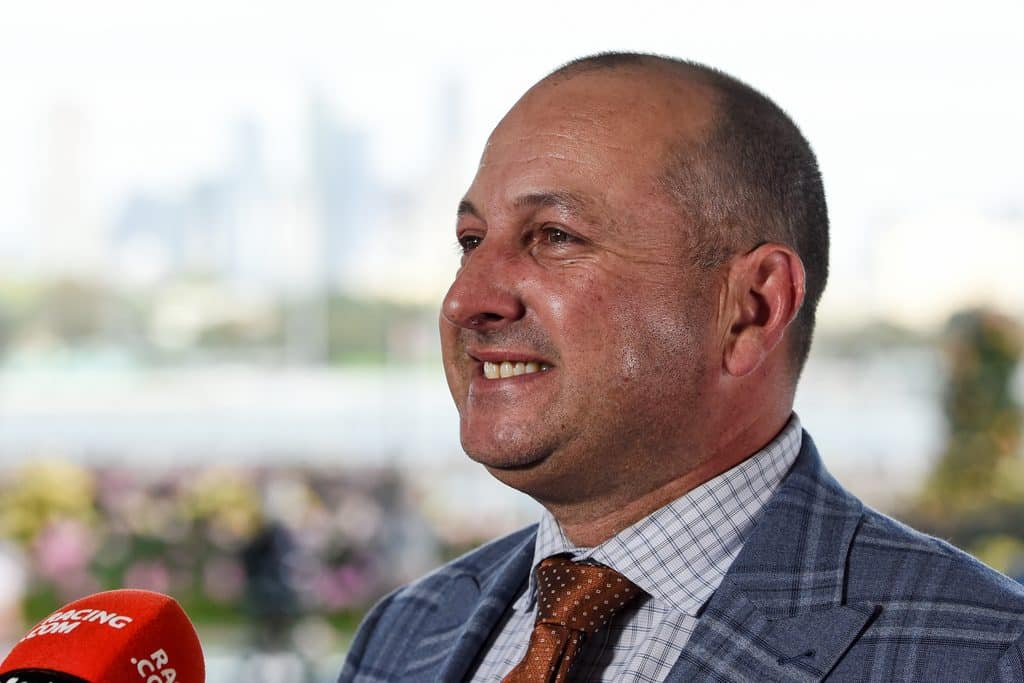
Peers of disqualified Western Australian trainers Grant and Alana Williams have come out swinging against the state’s integrity officials, labelling the 12-month ban handed to their colleagues as “manifestly excessive”.
The Western Australian Racing Trainers Association (WARTA) says the circumstances of the Starry Heights case and the way stewards handled the drawn-out inquiry have undermined the confidence of participants that they will receive procedural fairness in similar investigations.
The state’s leading trainers, the Williamses were on Tuesday disqualified for 12 months by Racing WA stewards after Starry Heights returned a positive test to banned substance ritalinic acid.
An inactive metabolite of methylphenidate, which is used to treat attention deficit hyperactivity disorder (ADHD), ritalinic acid was discovered in a post-mortem sample taken from the Williamses’ six-year-old gelding Starry Heights following the running of last year’s Kalgoorlie Cup.
Starry Heights suffered catastrophic injuries during the running of the October 4 race and was euthanised on veterinary grounds.
Having pleaded guilty to a presentation charge levelled by stewards, the Williamses vowed following Tuesday’s decision to appeal the severity of the penalty and seek a stay of proceedings.
WARTA, which is led by executive officer Warwick Bradshaw, said trainers were “shocked and dismayed by the penalty handed down by WA stewards to the Williams Racing training partnership”.
“Notwithstanding the absolute recognition that the integrity of thoroughbred racing must always be maintained. Without considered adjudication of the rules of racing in a manner that is both fair and proportionate, then those rules become draconian in nature and no longer fit for purpose,” WARTA said in a statement.
“Racing participants should reasonably expect to be treated with a degree of procedural fairness regardless of the wording and intent of the Australian Rules of Racing as written.
“If that does not occur, then the industry quite rightly cannot have any confidence in the integrity process or the sport of thoroughbred racing, and their place in it.
“In this instance what is effectively a multi-million dollar penalty, appears manifestly excessive and not consistent with that imposed in similar circumstances in another Australian racing jurisdiction.”
Considering the competitiveness encountered by trainers in a bid to lure horses and owners to their respective stables, the backing of the Williamses by WARTA is significant.
WARTA claims the Williamses’ ban effectively amounts to a “multimillion-dollar penalty” and “not consistent with that imposed in similar circumstances in another Australian racing jurisdiction”.
Although WARTA did not cite specific interstate cases, Victorian trainers Anthony and Sam Freedman served a 28-day disqualification in July for illegal race day nebuliser treatment used on two horses.
The father-and-son were able to install Clayton Douglas as interim trainer at Anthony Freedman Racing while the pair served the ban and resumed control of the business thereafter.
In June 2024, Tasmanian trainer Adam Trinder was fined $5000 (plus $2000 from a previous suspended sentence) after pleading guilty to presenting Gallant Warriors in a race in February of that year with a prohibited substance in the horse’s system.
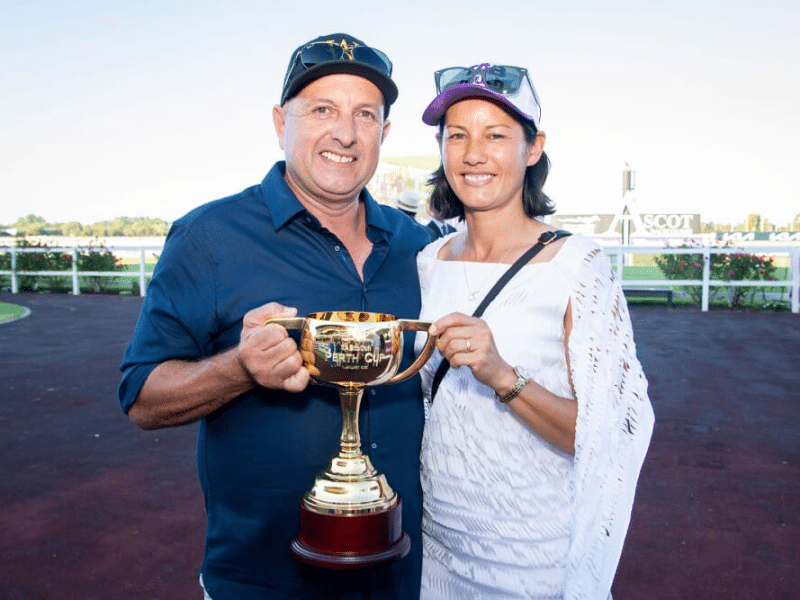
WARTA argued that Racing WA stewards failed to take into account the possibility of cross-contamination or the “changed landscape of prescribed and recreational drug use in contemporary Australia” which could have led to Starry Heights’ positive test to Ritalinic Acid.
“Unfortunately, this now confirms that Western Australian trainers and those visiting the state during carnivals are disproportionately exposed to devastating penalties regardless of circumstances or possibilities that might ordinarily be given due consideration in a defence,” WARTA said.
“The impact of this penalty goes beyond the Williams family and permeates many layers of the industry, severely impacts third party individuals and businesses, and does nothing for participant trust or positive sentiment.”
In determining the penalty, Racing WA stewards said they took into account the trainers’ guilty plea, precedent cases, the substance detected and the need to uphold the integrity of the racing industry.
“Although submissions were made with respect to the detection of the substance being due to contamination, the stewards were not satisfied that there was sufficient basis upon which to accept those submissions,” the stewards said.
“Consequently, the inquiry was unable to establish an accepted explanation for the detection of the substance.”
The Williamses, who won last season’s Perth metropolitan trainers’ premiership and are equal first with 16 this season, were stood down for 29 days by officials in January when Racing WA stewards started their inquiry into the matter before the trainers gained a stay of proceedings.
The time served was included in the 12-month disqualification, with the Williamses able to reapply for their trainers’ licences on August 29 next year.
Author

Related Articles
Cox’s plate full, with racing at the centre of VRC plans
Vin Cox will assume the coveted Victoria Racing Club chair role in December, emerging from interstate and a deep racing background rather than the office towers of Melbourne’s Collins Street, writes Tim Rowe.
Racing NSW plans country-club financial standards and regional track support
New financial standards, regional track support and a traineeship for club administrators are on Racing NSW’s agenda.
🔒 🔒 Cummings relationship endures as Dilmi prepares to enter racing’s biggest stage
Nacim Dilmi’s first Group 1 runner reflects a career shaped by James Cummings, whose advice helped him take charge at Domeland and forge his own path.
