
Black market boom – At nearly $6 trillion, unregulated gambling becomes world’s third largest economy
A report from Gaming Compliance International estimates unregulated online gambling generated a staggering US$5.9 trillion in wagering turnover in 2025 – a figure larger than the gross domestic product of every nation except the United States and China.

The global unregulated gambling economy has grown so large it now effectively ranks as the world’s third biggest economy behind only the United States and China, according to new analysis from a gaming regulatory intelligence and compliance technology company.
The report, GCI Online Gaming 2025: Global, estimates illegal and unlicensed online wagering generated US$5.9 trillion in global wagering value during 2025, up from US$5.7 trillion in 2024 and US$5.1 trillion in 2023.
According to Gaming Compliance International (GCI), regulated operators now account for just 22 per cent of global online gambling revenue, with the remaining 78 per cent flowing through unregulated channels.
The report’s central argument is that the online wagering landscape has fundamentally changed, evolving from a simple regulated-versus-illegal market into what GCI describes as a “three-sector marketplace” comprising regulated gambling, unregulated gambling and a fast-growing category labelled “unacknowledged gambling.”
That third category includes products and platforms which replicate gambling mechanics while operating outside traditional regulatory frameworks, including prediction markets, social casinos, crypto wagering products, skins trading, sweepstakes platforms and gambling-style contests distributed through social media ecosystems.
GCI president Ismail Vali said consumers increasingly no longer distinguish between legal and illegal offerings online.
“In a world where you can bet on anything, consumers are increasingly betting on everything – this is the gamification of everything,” Vali said.
“The audience does not distinguish between these sectors. They experience one marketplace, where everything is accessible and everything competes equally.”
GCI chief executive Matt Holt described the size of the problem as unprecedented.
“The scale of the unregulated online gambling sector is now undeniable,” Holt said.
“At US$5.9 trillion in wagering value, unregulated online gambling is one of the largest economic systems in the world, operating largely outside regulatory oversight.
“What this report makes clear is that regulators are not facing a marginal challenge, but a dominant one. The majority of activity is occurring beyond the regulated perimeter.”
The Nevada-headquartered compliance and regulatory intelligence company has increasingly positioned itself as a specialist in global gambling market monitoring, risk intelligence and regulatory analytics.
GCI works across regulated jurisdictions tracking illegal operators, advertising patterns, payment flows and market activity.
Its latest report analysed online gambling activity only, excluding retail and land-based wagering. According to the methodology, GCI counted only operators actively transacting and targeting local consumers, excluding passive offshore websites merely accessible in a jurisdiction.
The report defines unregulated gambling as “transacting unlicensed products that actively target local consumers” and argues the majority of online consumer activity globally now sits outside licensed frameworks.
Examples cited include offshore sportsbook operators, online casinos unavailable in regulated markets, crypto-based gambling products, online poker rooms and prediction markets that increasingly resemble wagering exchanges.
The report also introduces the concept of the “White Noise Marketplace”, arguing consumers now encounter a blended online ecosystem where regulated and illegal products appear side-by-side across search engines, streaming platforms, affiliate websites and social media feeds.
That concern is increasingly being raised in Australia.
Responsible Wagering Australia (RWA) warned late last year that Australia’s illegal offshore gambling market had more than doubled since 2019, with Australians estimated to be losing $3.9 billion annually to offshore operators.
Research commissioned by the industry body projected that figure could climb to $5 billion by 2029, while governments could lose almost $2 billion in tax revenue over five years.
RWA has also called for tougher enforcement powers against offshore operators, including blacklists, payment blocking powers, app store removals and stronger action against illegal gambling advertising on social media platforms.
“The biggest victims of the illegal offshore market are consumers themselves,” RWA said in a statement accompanying its research.
The organisation argues offshore sites offer none of the consumer safeguards required of licensed Australian wagering operators, including responsible gambling interventions, identity verification systems and harm minimisation controls.
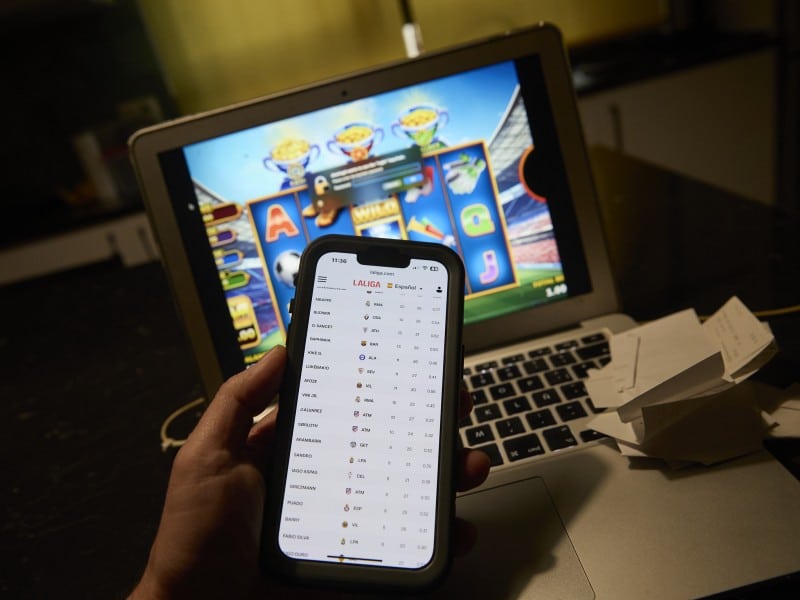
Australian regulators continue to grapple with the issue.
The Australian Communications and Media Authority has blocked more than 1500 illegal gambling websites in recent years, but critics argue enforcement struggles to keep pace with the speed at which offshore operators rebrand and reappear online.
The rise of illegal offshore wagering has also intensified concerns within Australian racing and sport over integrity risks, data security and lost product fee revenue.
Recent reporting revealed the AFL had acknowledged difficulties monitoring gambling-related integrity breaches amid the rapid expansion of online betting habitats.
At the same time, policymakers globally remain caught between tightening gambling restrictions and avoiding unintended migration toward offshore markets.
In the United Kingdom, racing bodies have warned affordability checks and heavier compliance requirements risk pushing customers toward black market operators operating beyond regulatory reach.
GCI argues that unless regulators begin monitoring the full online ecosystem – including so-called “unacknowledged gambling” – the gap between legal and illegal wagering markets will continue to widen.
“If you cannot see the entire marketplace – regulated, unregulated and unacknowledged – you cannot control it,” Vali said.
According to the latest International Monetary Fund figures, the United States’ nominal gross domestic product (GDP) is about US$30 trillion with China running at US$19 trillion.*
Every other national economy sits below US$5 trillion with Australia at US$2.2 trillion.
* The comparison refers to the total amount wagered rather than actual economic output like GDP. In gambling, the same money can be bet multiple times, so US$100 might generate hundreds or thousands of dollars in wagering turnover as it cycles through repeated bets. That means the US$5.9 trillion figure reflects the scale of betting activity, not the amount of new wealth created in the economy.
Related Articles

🔒 🔒 Bye bye, Benny? New gambling laws likely to see social media influencer Scarf head overseas
Forced into a likely move overseas by the latest changes to gambling laws, social media influencer Ben Scarf doesn’t want sympathy. But he does hold concerns about how the landmark shift will impact the Australian wagering industry.
One in, all in – National tote’s One Pool branding revealed by Tabcorp
Tabcorp’s national tote will be known as One Pool as the company pencils in an October launch date for its long-awaited merged parimutuel product.
🔒 🔒 More punters added to Tabcorp’s banned list
Tabcorp’s actions on ‘higher-risk’ customers have resulted in more banning notices being issued, with a swathe of punters recently notified they could no longer transact with the betting company.
