
Comment: Is this the end game for Peter V’landys, or just another twist in his racing tale?
Peter V‘landys’ future as Racing NSW chief executive may be under the spotlight, but those seeking to wedge him from the top job still have their work cut out, writes Bren O’Brien.
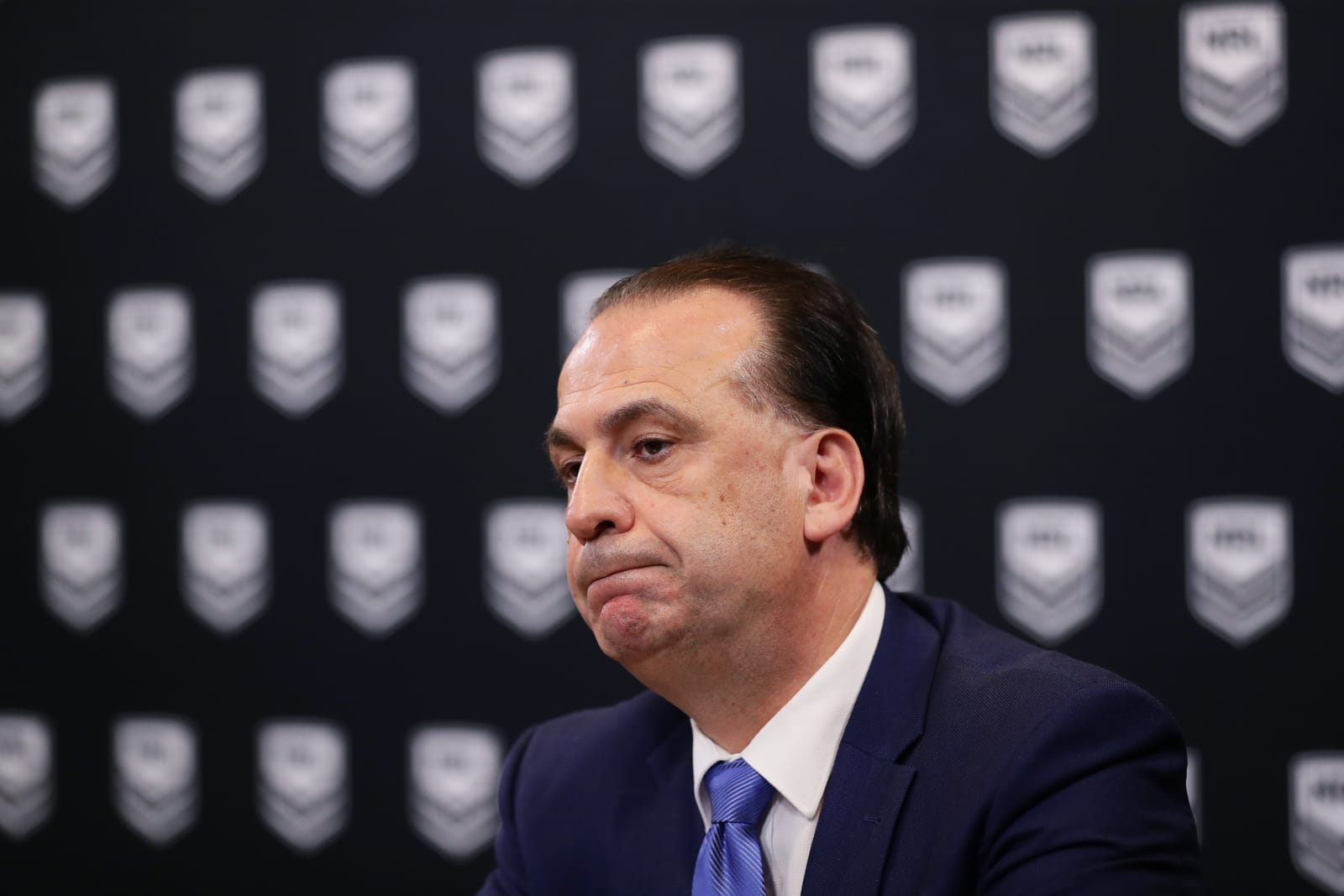
In his 21 years in the Racing NSW chief executive’s chair, Peter V’landys’ hold on the top job has never been under such scrutiny.
The past 12 months have brought a parliamentary inquiry related to the Rosehill inquiry, which instead shone a light into how Racing NSW and V’landys conduct their business, the political drama over the ATC’s botched process to sell the western Sydney racecourse, questions over the regulator’s real estate portfolio and its management of provincial and country racecourses, and now a review of the Thoroughbred Racing Act.
That review, the only aspect of any substance in the Minns government’s response to the Rosehill parliamentary inquiry, has been identified as a possible wedge point by those who want to see change at Racing NSW.
Last week, 27 industry stakeholders wrote an email to NSW racing minister David Harris urging him to expedite the review of the Act, which was initially constituted in 1996 and is now broadly seen as not being fit for the purpose of overseeing a body which has become both regulator and chief funder of the racing industry.
That letter doesn’t mention V’landys by name. But it does speak to what it says is “an erosion of trust in the governance structures currently in place and a growing divide between the controlling body and those it exists to represent and serve”.
The published version of the letter does not contain the names of the 27 signatories, but The Straight’s own investigations and publications elsewhere have identified that major industry figures such as leading trainers Chris Waller and Gai Waterhouse and prominent breeding and bloodstock figures such as Vin Cox, Harry and Arthur Mitchell and Antony Thompson, as well as former ATC board member Julia Ritchie, were among those to sign.
For anyone who has followed the Rosehill saga, none of those names would be a surprise.
A Racing NSW spokesman indicated to the Australian Financial Review that the claims in the letter were made by those opposed to the sale of Rosehill.
When asked, Save Rosehill told The Straight they had nothing to do with the authoring the letter and didn’t possess a copy. Two hours later, it was front and centre on their website.
In that regard, it appears the “spokesman” was somewhat on the money.
Regardless of motivations, the letter did show a discipline from the 27 signatories to play the ball, not the man. They made it clear that the system needed fixing and not to identify the individuals within it.
 Bren O’Brien
However, 24 hours after the letter first appeared in the AFR, the respected business publication featured a story that one of those signatories, Vin Cox, had revealed the details of an expletive-laden meeting with V’landys in May 2023.
Accounts of that meeting vary, but according to the AFR, both men agreed that it centred on Cox’s role as a director of the Victoria Racing Club (VRC) and, as he was then, the boss of Godolphin Australia, and V’landys’ view that it was a conflict of interest.
The account of that meeting led off an extensive and comprehensive nearly 10,000-word read from AFR columnist Mark Di Stefano detailing the tension between V’landys’ dual roles as Racing NSW boss and chairman of the Australian Rugby League Commission.
Many of the points discussed will be familiar to those who have followed racing politics in NSW over the past 18 months in publications such as The Straight.
It comes off the back of detailed “mainstream” coverage of V’landys dealing with the media through ABC’s Media Watch program earlier this month, which raised questions about the influence the Racing NSW chief has from his directors’ private box at Randwick.
The ABC’s Four Corners program has also been working on a feature-length program on V’landys since last year. If, and when, that will air is not known.
What has sparked this latest outbreak of scrutiny over V’landys’ future at Racing NSW was a Daily Telegraph podcast in March where journalist Phil Rothfield, who maintains a close connection with the CEO, floated the possibility that V’landys could walk away from Racing NSW and seek a more active role in the running of rugby league.
That not only emboldened those who are determined to see the end of his long reign at the racing regulator but has also generated significant broader public interest.
V’landys told the AFR that he would review his role at the end of the year as he always does, but that no one was irreplaceable.
His chief operations officer Graeme Hinton, who has served a nearly 12-year apprenticeship, has long been identified as a likely successor.
That is unlikely to be a satisfactory solution for those seeking significantly more scrutiny of Racing NSW under a reviewed Thoroughbred Racing Act. Those at the heart of the campaign want wholesale change, with the Racing NSW board also in their sights.
But if they think V’landys will cede power readily, then they will be disappointed.
 Bren O’Brien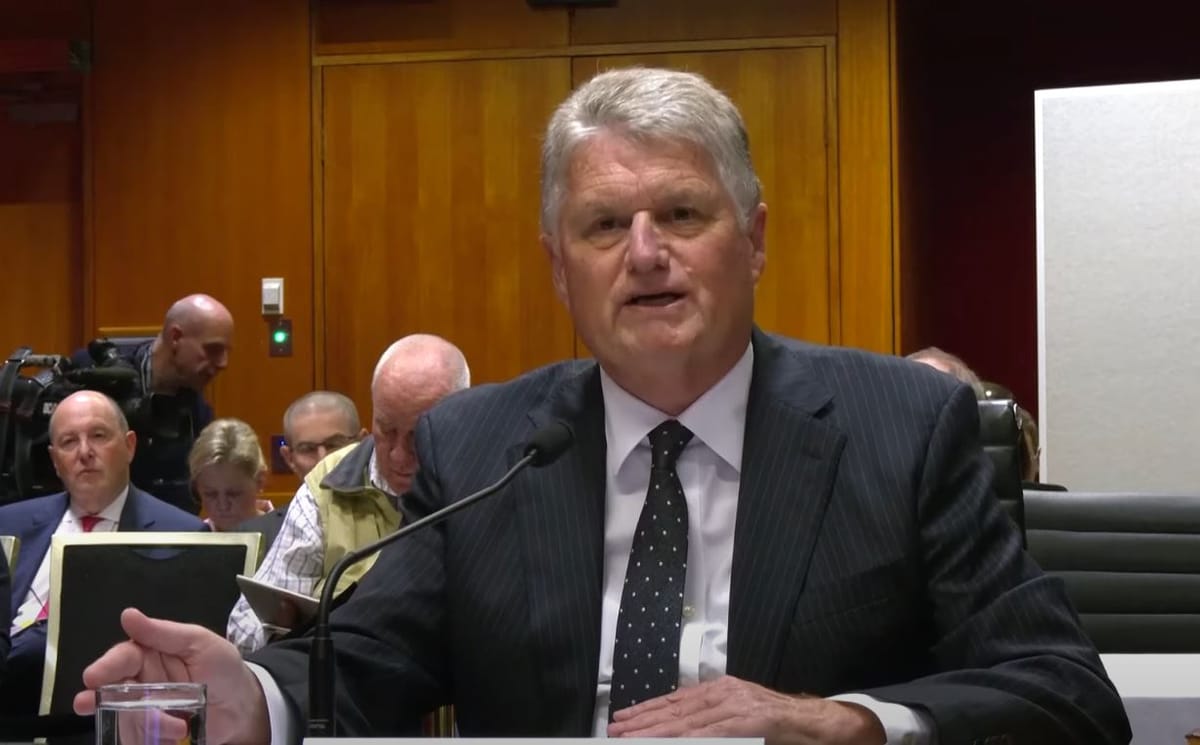
The resolve shown in his extraordinary Rosehill inquiry appearance, where he accused the likes of independent MP Mark Latham of smearing on him on behalf of “wealthy breeders” and say he was determined to get rid of the “cheats and the undesirables, especially the ones that are cruel to horses” remains.
The conflict with Cox, the former head of Magic Millions, Godolphin, and now Yulong, is significant as he represents not only the breeding and bloodstock industry that has led the scrutiny of V’landys, but also the VRC.
There has been a long enmity between V’landys and the VRC, while his relationship with Racing Victoria appears to have reverted to frosty after a brief thaw over The Pattern in September last year, which led to less rather than more clarity over the structure of black-type racing in Australia.
However, V’landys does appear to have struck up a newfound friendship with Melbourne Racing Club chairman, and the current everywhere man of Victorian racing, John Kanga.
Kanga was in V’landys’ suite at Randwick on the first day of The Championships and met with him the following week.
What was discussed is not yet known, but Kanga’s enthusiasm for shaking up the Victorian racing industry from his position with the MRC has clearly created an impression on V’landys.
 Bren O’Brien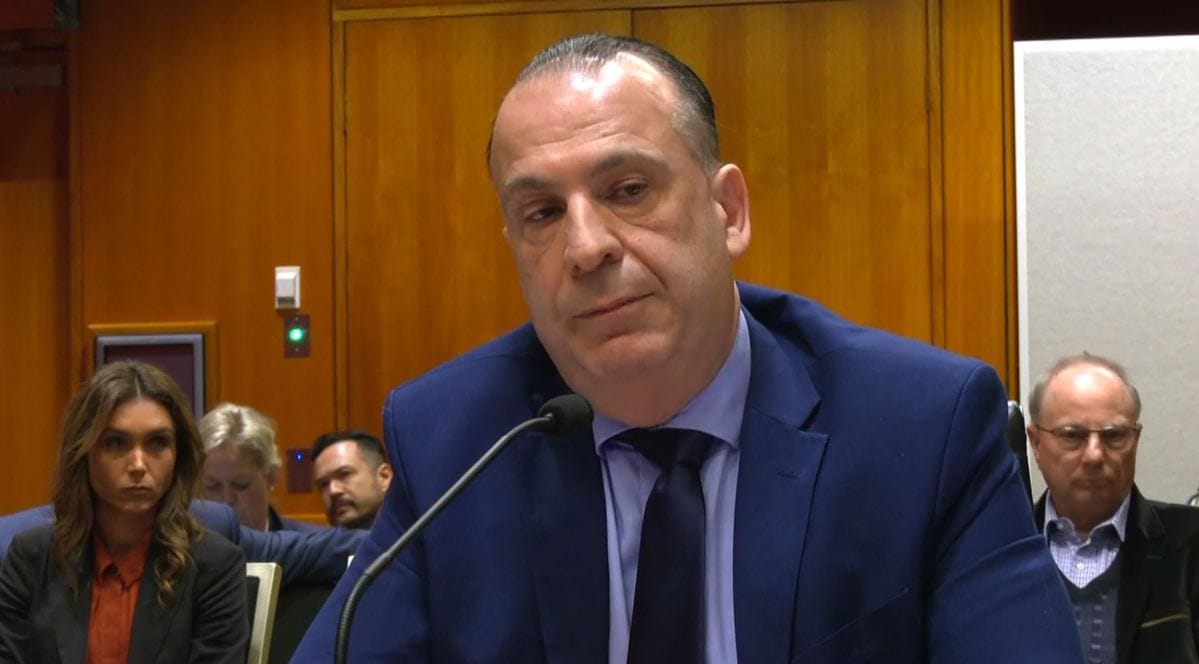
It is another example of V’landys’ ability to court power and influence. While he fights fires on the home front, he is still seeking to light a few of his own south of the Murray.
For those championing regime change at Racing NSW, it’s a good reminder of the challenge they are up against. If they want to see V’landys leave his role, they will have to work harder than he does.
Author

Related Articles
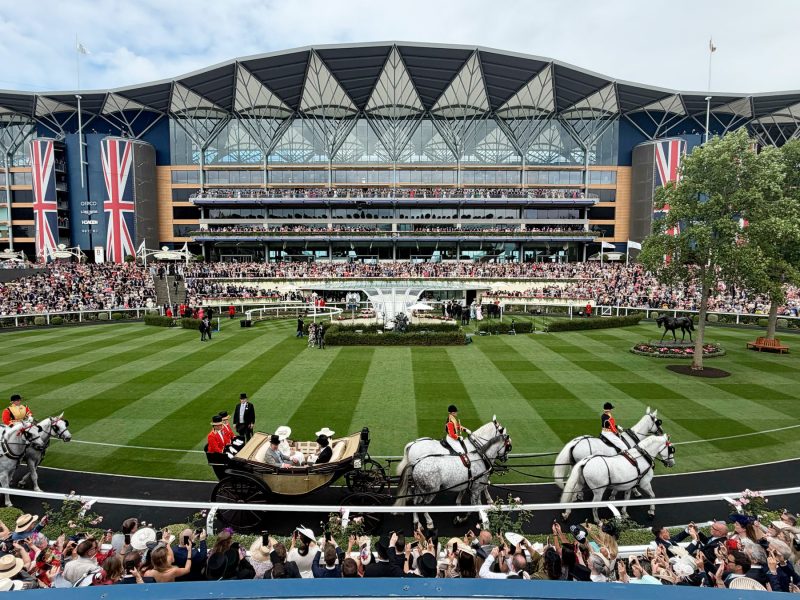
Royal Ascot – Day 2 in Photos
All the action from the second day at Royal Ascot from the view our photographers Bronwen Healy and Darren Tindale from The Image Is Everything.
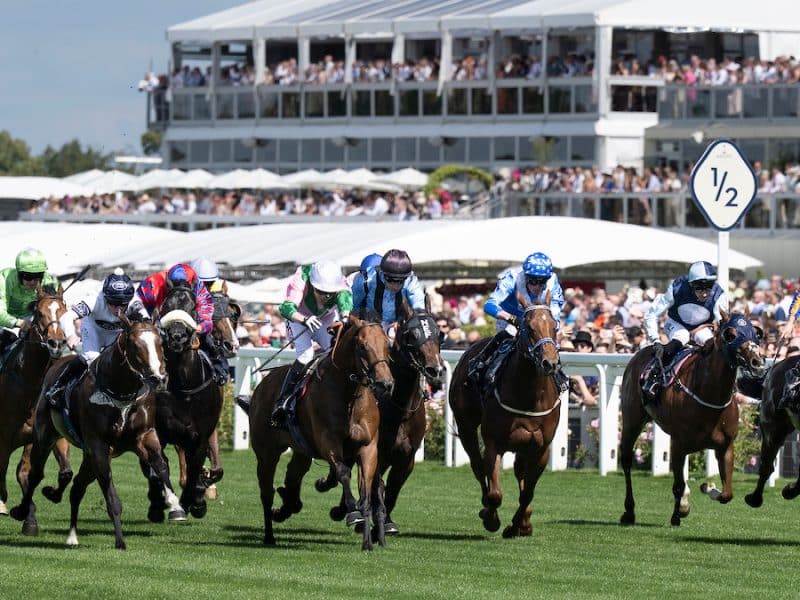
Royal Ascot – Day 1 in Photos
All the pictorial action from a memorable first day at Royal Ascot for our photographers Bronwen Healy and Darren Tindale from The Image Is Everything.
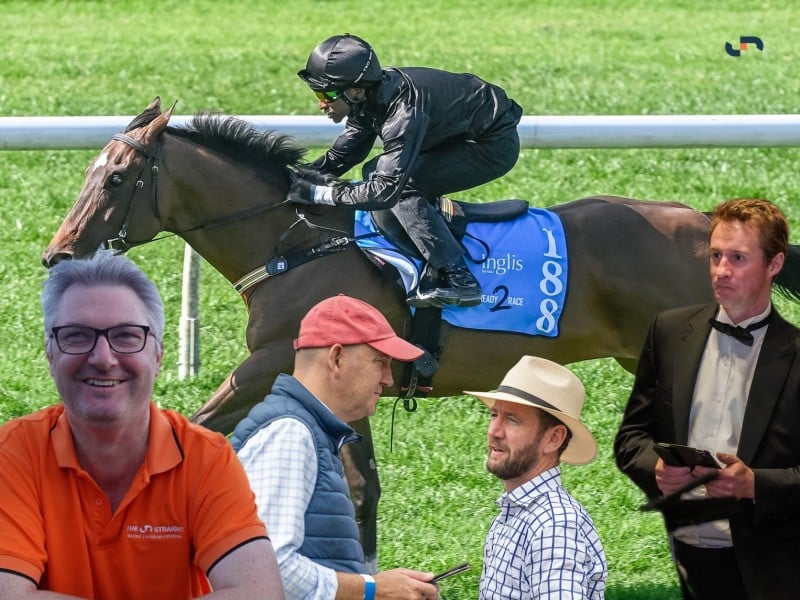
Rowe On Monday – Godolphin builds second-season plans, a Ready-made Group 1 result and a new take on an old bull
In this week’s Rowe On Monday, Godolphin’s Andy Makiv outlines expectations ahead of the second season of its public training model. Sebastian Hutch on why Tron Bolt’s victory could be a game-changer for the Inglis Ready2Race Sale, and how a stallion auction format reprises an old formula.
