
Five questions yet to be answered about a National Tote
Tabcorp is on the brink of realising a generational ambition to create a single national tote across Australia. But two months out from its slated launch, scepticism remains as to what its impact may be and even when it will be rolled out. Bren O’Brien looks at the key unanswered questions.
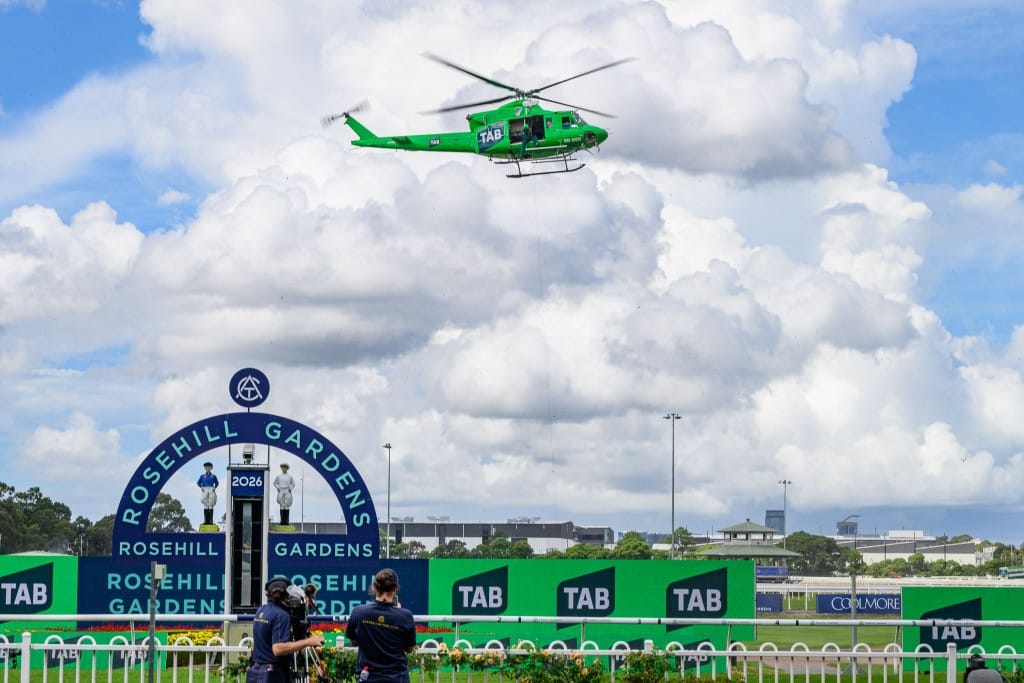
Tabcorp insists it remains on track to meet the July 1 target date to implement a national tote, a deadline set by chief executive Gillon McLachlan in October last year.
That confidence persists despite wagering industry scuttlebutt suggesting the process could be significantly delayed.
By all reports, the technical implementation of the first stage of the national tote rollout is ready.
Long mooted as one of the major barriers to a collective Australian pool, the tech appears to have proven much easier to execute than convincing all the relevant stakeholders, including the racing bodies and principal racing authorities, that providing their support for the initiative is in their interests.
Judging by social media (always a fraught methodology), punters also remain yet to be convinced.
An extensive post by professional punter John Walter on X posed the question whether “merging three pools into one without changing the fundamental economics is just rearranging the deckchairs”.
Walter asked the key questions as to how Tabcorp intends to attract punters to parimutuel without examining its takeout rate.
It is one of a series of questions yet to be fully answered by Tabcorp, which has 61 days to live up to McLachlan’s promise.
1 – Will National Tote launch by July 1?
Tabcorp insists that its plan for the start of FY26 launch remains in place. Although it was interesting in the 6000 words written about McLachlan in the Australian Financial Review last week, there was not a single mention of the initiative.
Other sources spoken to in the wagering industry by The Straight have said that the timeline is far too ambitious and negotiating the political challenge of the various factional racing industry interests has proven, to this point, beyond McLachlan’s considerable skills.
If it is going to miss the deadline, it would likely have to be publicly declared, given McLachlan’s importance placed on the project.
2 – What will the National Tote look like?
It seems unlikely that even if Tabcorp does make the July 1 deadline, it will be a fully integrated offering. Based on what The Straight has been able to establish, it is more likely to resemble a super pool at first, combining the three current offerings from a consumer perspective.
It is then likely that further integrations will be rolled out as solutions are found and agreements are made. This could include the flow of the tote derivative markets from other pools.
We believe that negotiations have been ongoing with corporate bookmakers to get the tote derivative pools, which Tabcorp itself estimates to be worth more than its own pools, feeding in. However, as far as we know, Tabcorp has yet to reach a commercially amicable deal with any of the other big bookies.
3- Will Tabcorp look to change the takeout rates?
John Walter’s point was well made. “if you just merge three weak pools into one, you aren’t solving the problem, you are just making the exit more visible”.
Takeout rates have come under particular scrutiny with the World Pool’s implementation in Australia. World Pool has proven a boon for race clubs, to which funding flows directly, but not to punters, who have been on the wrong end of a series of skinny dividends on well-backed winners over the autumn.
The takeout rate question is one that will no doubt have been at the centre of discussions with racing bodies, especially in NSW, which is still bound by a joint-venture-like agreement with Tabcorp until 2033.
It means that discussions in NSW are more complex than they are in other states as the racing industry would be more exposed to both the upside or downside of any move on takeout.

Jason Scott, then-Racing Queensland chief executive, now the boss of corporate bookmaker Ponybet, highlighted the importance of the takeout rate when speaking to The Straight in 2024.
“We need to understand where the maximum point of elasticity is,” he said.
“My gut feel is if we reduce it, if you reduce it and then you reduce it by 3 per cent, or reduce the take by 30 per cent, but you increase the amount bet by 50 per cent, well, that’s net profit.”
“We’ve had this number sitting here since the 1960s, or whenever the tote came into existence. We need to understand where the maximum amount is.”
4 – Will access to rebates change?
Access to rebates for select larger punters has long been used by parimutuel operators across the world to facilitate liquidity. But the shadowy nature of these deals has fuelled mistrust of tote betting in Australia.
While the Hong Kong Jockey Club opens up 10-12 per cent rebates to any punter who invests more than HK$10,000 (circa $1000) on a win, place, quinella or quinella place bet, there is no such public initiative in Australia.
Instead, it has long been understood that rebates are offered to the chosen few, meaning that regular punters are placed at a disadvantage to the big syndicates. This is particularly hard to swallow in a format that doesn’t provide price certainty. A similar debate is currentyl occuring in the United States, where Computer Assisted Wagering is impacting dividends and disenfranchising punters.
Walter addressed this in his post this week, urging Tabcorp to “stop subsidising a few select ‘whales’ with back-room deals”.
“Transparency creates trust, and trust creates liquidity,” he said.
5 – What happens if Tabcorp misses the deadline?
Missing the deadline would have ramifications far beyond just TAB’s customers; it would also likely impact confidence in the share market.
The market’s belief in McLachlan and his newly formed executive team has been a key strength since he took charge. Over the past 12 months, the share price has doubled, from 56 cents to $1.12, doubling the market cap to more than $2.5 billion.
While key initiatives have been launched and there have been some signs of revival, much of this posittivity has been driven by confidence in what may come, not by what is already showing up on the balance sheet.
A missed mark on a national tote, even by a couple of months, would be seen as a rare backward step. There have been suggestions that the management team’s bonuses are contingent on meeting the July 1 deadline, but we have not been able to confirm this from publicly available documents.
Author

Related Articles
The political case for a national gambling regulator
Two key recommendations of 2023’s You Win Some, You Lose More report, the establishment of a national gambling regulator and the banning of inducements, are expected to be discussed by the Labor Party at this week’s national conference.

Roy Morgan data underscores gambling reform debate
New research conducted by Roy Morgan has found one in seven Australian adults is being adversely affected by betting activity, either through their own behaviour or that of someone close to them.

‘Serious weaknesses’ – Tabcorp fined again by ACMA over communications breaches
Tabcorp has been fined $2.7 million and told it must improve its compliance processes after breaching federal communications laws with over 4000 calls and 217,000 messages to its customers.
