
Luxury brands shift gears as racing faces global sponsorship competition
Horse racing is confronting a shifting sponsorship landscape as global sports with powerful digital reach attract luxury brands, forcing the industry to rethink how it delivers relevance without relying on companies within its own bubble.
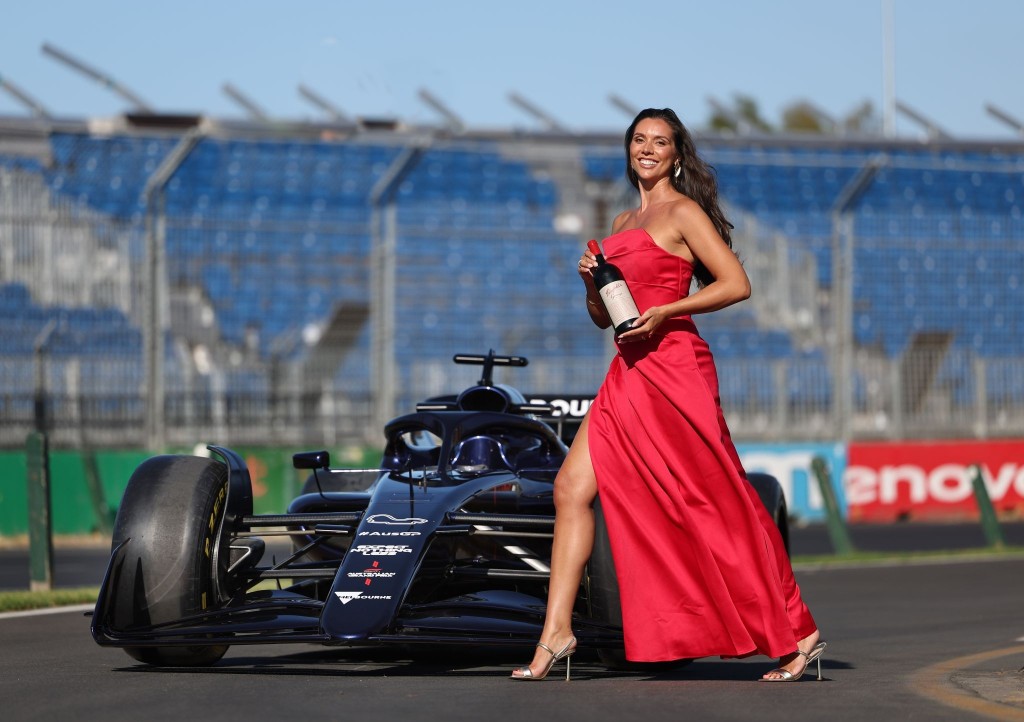
When premium winemaker Penfolds ended its four‑year agreement with the Victoria Racing Club, on the surface, it simply appeared the relationship had run its course.
Sponsors come, and sponsors go, and the VRC quickly moved on because it had to.
With its Melbourne Cup carnival less than six months away, the VRC announced De Bortoli Wines as a premium partner, as its deal with Penfolds was set to expire in July 2025.
“After careful consideration, we have decided to end this partnership to shift our efforts and investment to other strategic priorities, with continued focus within the Australian market,’’ Penfolds said in a statement confirming it would not renew its VRC deal.
“We remain committed to delivering innovative and disruptive Penfolds experiences to wine lovers and consumers.’’
Penfolds has bided its time before re-entering the sporting landscape, but the motives behind a move to align its brand with this year’s Australian Grand Prix should provide a reality for racing that became apparent during this week’s Asian Racing Conference (ARC).
According to media reports, the winemaker is chasing a “younger, luxury‑minded” audience.
Thanks to the Netflix generation, Formula 1’s global reach is now supercharged and in overdrive as one of the world’s most-watched sporting properties.
Horsepower of a different kind is front and centre of Penfolds’ marketing budget, underscoring how racing, almost once an unassailable bastion of luxury brand engagement, now finds itself in a crowded global marketplace where tradition alone is no longer sufficient to secure premium commercial partners.
While Penfolds still retains some involvement with racing of the four-legged variety via a partnership with the Australian Turf Club, it highlights the commercial reckoning facing rights holders everywhere as a broader reach and digital‑age relevance now often trump the power of domestic affiliation and heritage.
Several legacy associations synonymous with thoroughbred racing, such as department store Myer’s decades‑long fashion tie‑in, have diminished or ended as corporate priorities and, more pointedly, social values evolve.
The trend was observed during the 41st ARC in Riyadh last week.
Winfried Engelbrecht‑Bresges, chief executive of the Hong Kong Jockey Club and chair of the Asian Racing Federation, spoke candidly about the need for an international approach.
He called for greater unity among racing jurisdictions to expand the sport’s appeal beyond wagering, engage younger audiences, and build a global fan base.
“The inability of our sport to overcome fragmentation,” Engelbrecht-Bresges described racing’s biggest challenge.
“We don’t compete against each other, we need to adopt global collaboration. We must brand our sport as a global sport and market it globally.
“Racing’s ongoing efforts to retain and increase relevance will become ever more important with the increased competition from other leisure activities – especially for the younger generation.
“At the same time, we are presented with a chance to rejuvenate our customer base with an improved race-going experience and new fan engagement platforms.”
These strategic aims deepen a growing recognition that if horse racing is to compete with dominant sports and entertainment outlets, it must tell a more compelling story – one that resonates in global markets, leverages the digital age effectively and moves beyond conventional models anchored solely to event days.
At the heart of the challenge is a shift in how well-known brands evaluate value.
Formula 1 generated an estimated $2.04 billion in global sponsorship revenue in 2024, with average deal values upwards of $6 million, and features multi‑year luxury partnerships that deliver consistent global visibility across broadcast and new-age platforms.
There is a clear commercial advantage over seasonal events such as the Melbourne Cup carnival.
Australian horse racing – while still attracting some robust domestic partnerships – has tended to rely more on wagering, automotive and beverage partners whose activation is tightly bound to the event week and local broadcast footprint.
Despite Penfolds’ departure, the VRC has had some wins.
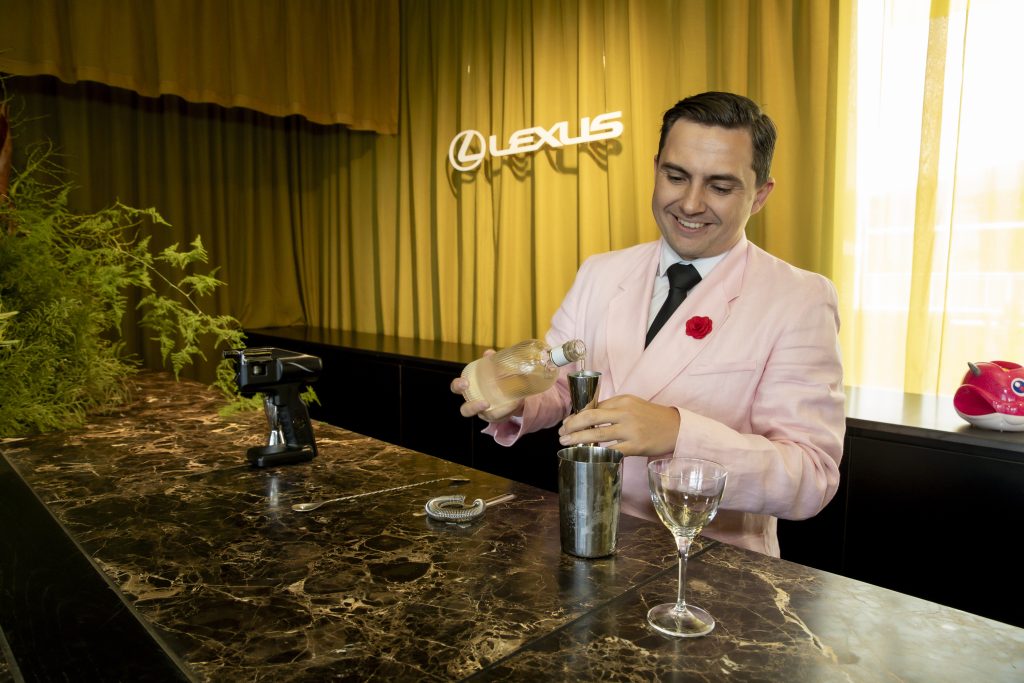
Lexus, for instance, extended its principal sponsorship of the Melbourne Cup through 2027.
Likewise, G.H. Mumm renewed its official champagne partnership through to 2028, reinforcing one of the carnival’s longest‑standing beverage associations and contributing to the celebratory atmosphere that defines Flemington in spring.
But it has been betting companies that have been the most significant contributors to sponsorship of Group 1 races over the past decade.
In the 2015/2016 racing, three gambling firms – William Hill, Tabtouch, Sportingbet and Ladbrokes – were associated with eight elite races.
William Hill led the way, attaching its name to five Group 1s with the Cox Plate and the Blue Diamond Stakes the most prestigious.
The sponsorship tentacles of the wagering industry in the 2025/2026 season are far-reaching, accounting for 26 Group 1 races, including Australia’s richest, the $20 million Everest.
This explosion in the number of bookmakers supporting Group 1 races coincides with a proliferation in racetracks selling their naming rights, granting their partners exclusivity.
Sportsbet, which has deals with the Melbourne Racing Club and Racing SA, is now the most active wagering operator for Group 1 sponsorships.
Among the 11 elite-level races backed by Sportsbet, the Caulfield Cup is the best known.
The TAB is next, with nine Group 1 sponsorships, including the Everest and the $5 million Golden Slipper, across a suite of mostly NSW races.
Within their own industry, breeding conglomerates provide the next level of sponsorship investment after bookmakers.
Yulong and Coolmore are associated with two Group 1 races each, while Kia Ora, Darley and Vinery Stud have also maintained long-running arrangements with race clubs.
Alcohol and beverage brands, while not as prominent as they once were, account for about 10 per cent of Group 1 sponsorships, mostly bundled with pouring-rights deals at on-course bars.
This category also offers one ready-made marketing opportunity through the Group 1 ATC Champagne Stakes.
Ran as the last leg of Sydney autumn triple crown for two-year-olds, the race is backed by iconic champagne label Moet & Chandon.
Moet & Chandon has sponsored the race since 2009, but other brands have quietly distanced themselves from horse racing amid ethical debates around animal welfare and changing consumer values.
There is now broader societal scrutiny of industries operating at the nexus of gambling, animal sports, and public spectacle and while racing continues to have deep cultural roots in Australia, public engagement metrics indicate fluctuating interest.
This social backdrop further complicates the sponsorship narrative.
Outside of its cocoon, the racing industry must not only demonstrate commercial value but also navigate a landscape where ethical consumerism and social media influence intertwine with risk assessment and brand safety considerations – factors that premium brands weigh heavily when selecting sponsorship alignments.
The challenge for Australian racing is not simply to replace departing sponsors, but to reframe a return on investment for new ones.
It will likely require a strategic leap and a realisation that tradition, with transformation, may no longer be enough to keep horse racing at the forefront of the luxury sponsorship economy.
Related Articles
🔒 🔒 ‘We can really build Macedon around her’ – Sara Ryan expands to head up Dixons’ Victorian racing business
Businessmen Bruce and Michael Dixon have brought on Sara Ryan as trainer, with the young horsewoman to open a stable at Macedon Lodge in Victoria to complement her Wyong base.
A Hostwin-win scenario awaits Wong ahead of Rosebud reckoning
Tommy Wong has spent three decades operating in the shadows of Sydney’s training ranks, but an unbeaten colt with a Hong Kong connection could finally thrust the veteran into the racing spotlight.
Point Of Law on path to Caulfield Cup after Ciaron Maher buys the King’s Bahrain Trophy winner
Trainer Ciaron Maher has strengthened his Caulfield Cup hand with the purchase of King Charles III’s lightly raced Bahrain Trophy winner Point Of Law, who will join the stable ahead of the spring.
