
Munz and Messara lead push for independent control of Australia’s black-type races
Australia’s most influential breeders, led by Jonathan Munz and John Messara, have formed a new industry alliance to wrest control of the nation’s black-type race Pattern from Racing Australia, backing an independent committee they say is essential to restoring international credibility.
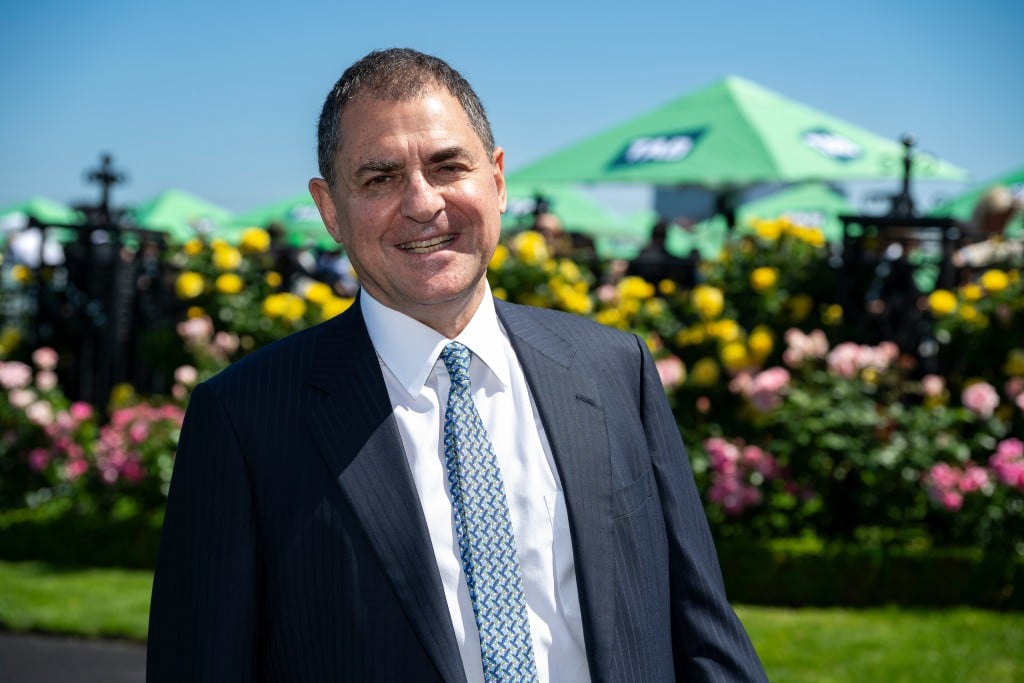
Australian powerbrokers Jonathan Munz and John Messara are leading the charge to get the black-type Pattern back under local control, spearheading a new thoroughbred industry group which wants to determine how Australia’s feature races will be scheduled.
Two of the country’s biggest breeders, GSA Bloodstock principal Munz and Arrowfield Stud owner Messara have backed the formation of the Australian Racing Industry Alliance (ARIA).
ARIA has put forward a proposal which it hopes will see the Asian Racing Federation return the power to determine its black-type races back to the local industry in time.
It called on the implementation of an independent pattern committee with a set of “conventional pattern guidelines that are in line with those used in all other racing jurisdictions and not the ‘ratings-based only’ guidelines”.
“Under the ARIA proposal … an independent pattern committee will be selected annually by an independent pattern committee selection panel (the Australian Pattern Panel), operating independently and separately from Racing Australia,” an ARIA statement said.
“The APP would be separately constituted as a not-for-profit entity with 18 permanent voting members and a constitution with proper governance and succession planning for those voting members.
“It would include nominees of breeders and sales companies, as well as three PRA nominees.
“The intention would be for this to run under the auspices of Racing Australia, but this has been rejected by Racing NSW.
“Therefore, ARIA recently approached the ARF to have that proposed independent pattern panel take over the management of the Australian pattern as the counter party to the APC, until Racing Australia agrees to join the new protocols.”
Inaugural ARIA chair Munz, who raced emerging New Zealand-based stallion Super Seth, Group 1 winner Shoals and has a significant high-end broodmare band, said Racing Australia needed to be removed from the Pattern remediation process for the time being.
“It cannot be in charge of putting together a set of experts on breeding and the pattern to advise the APC. You don’t empower the organisation that has been accused of botching a process to fix that process or to execute a remediation plan,” Munz said.
“The members of ARIA have the credibility and expertise to form or select the advisory group to help the APC, whereas it is considered that simply is not the case at Racing Australia.”
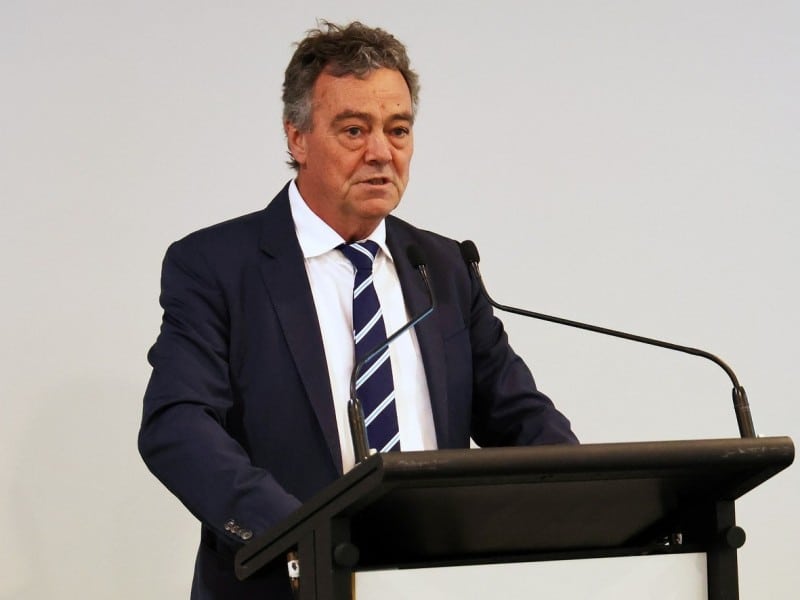
ARIA also carries the endorsement of Thoroughbred Breeders Australia, the state-based entities Thoroughbred Breeders NSW and Thoroughbred Breeders Victoria as well as the nation’s thoroughbred auction houses Inglis and Magic Millions.
Racing Victoria is also supportive of what ARIA is looking to achieve.
Messara said the Australian racing industry required an internationally compliant black-type rules and an independent Australian pattern committee to be in place.
“We cannot have the current situation, where races are listed by Racing Australia as having been upgraded or as ‘new’ stakes races, when they do not qualify to appear as such in our sales catalogues,” Messara said.
“Ultimately, the industry needs appropriate pattern guidelines complying with international norms and taking into account that Australia is a federated system with multiple state jurisdictions.”
Messara reasoned that a “ratings-based only” set of Pattern guidelines would be inconsistent with the Asian Pattern Committee Ground Rules, which he says specifically require a pattern committee to take into account several factors.
“(Factors include) more than race ratings or statistical analysis, such as the effect on the shape of the Pattern in the country concerned and the effect on the shape of the entire Asian Racing Federation Pattern, as well as circumstances that may impact the race rating of a specific race,” he said.
“For the sake of the Australian racing industry and its international reputation, I am hoping that the current circumstances present a catalyst for a peaceful settlement of this whole issue between all parties.”
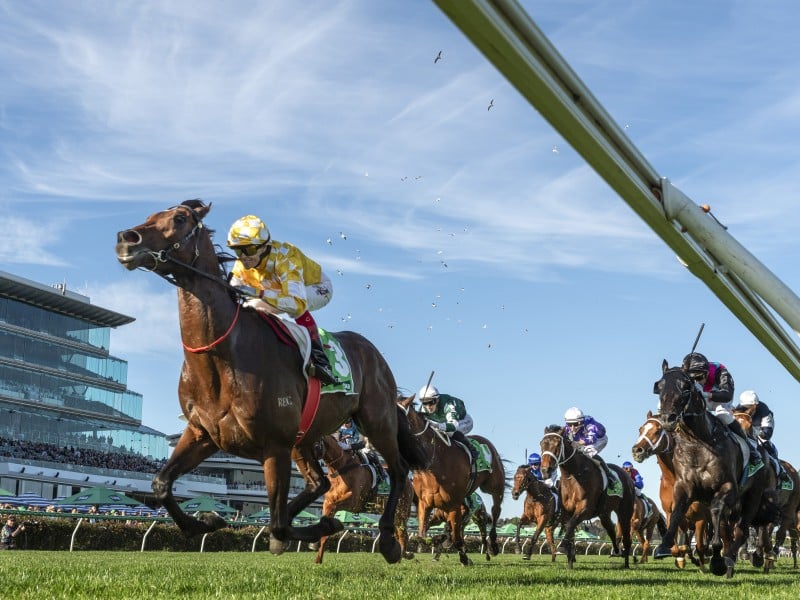
ARIA made representations to the Asian Racing Federation prior to the international body making the bold call to intervene in Australia’s long-running Pattern impasse, with Racing Australia officially informed of its decision on Wednesday.
The Asian Pattern Committee will determine what Australian black-type races are upgraded and downgraded ahead of the 2026/27 racing season.
ARIA chose to go public on Thursday, 24 hours after the ARF confirmed it was taking charge of determining Australia’s black-type races on a temporary basis.
“ARIA has sought to lobby the ARF to fix the problem, following an ultimatum delivered by the ARF to Racing Australia threatening to take over the Australian pattern and even demote Australia from Part 1 of the Blue Book,” the statement said.
“ARIA is now the effective representative of all the major investors, participants and stakeholders in Australian racing.”
In the ARIA statement, Munz also dismissed claims that the previously used Australian Pattern Committee process breached Australian competition law.
“There has been no movement for almost nine years and the Australian pattern has been effectively frozen,” Munz wrote in the ARIA statement.
Racing NSW has been contacted for comment.
Author

Related Articles
A Toronado turnaround: Swettenham star makes stunning recovery to return to breeding barn
Toronado made an unexpected return to the Swettenham roster this year after he made a rapid recovery from a severe hock injury that had principal Adam Sangster on tenterhooks.
Bumper line-up assembled for Magic Millions Perth Yearling Sale
Magic Millions has released the catalogue for its 2026 Perth Yearling Sale, with 358 lots to be sold over two days in February.
Run The Numbers – A Romantic odyssey
As Romantic Warrior closes in on becoming the first horse to earn more than AU$50 million in prize money, Run The Numbers looks at world racing’s biggest earners.