
New British PM’s Everton ties collide with Aussie-owned Stake gambling ad debate
Australian-owned wagering brand Stake has become an unlikely political talking point in Britain, with Everton’s sponsorship deal overlapping with new Prime Minister Andy Burnham’s lifelong support of the EPL club and a gambling reform agenda.
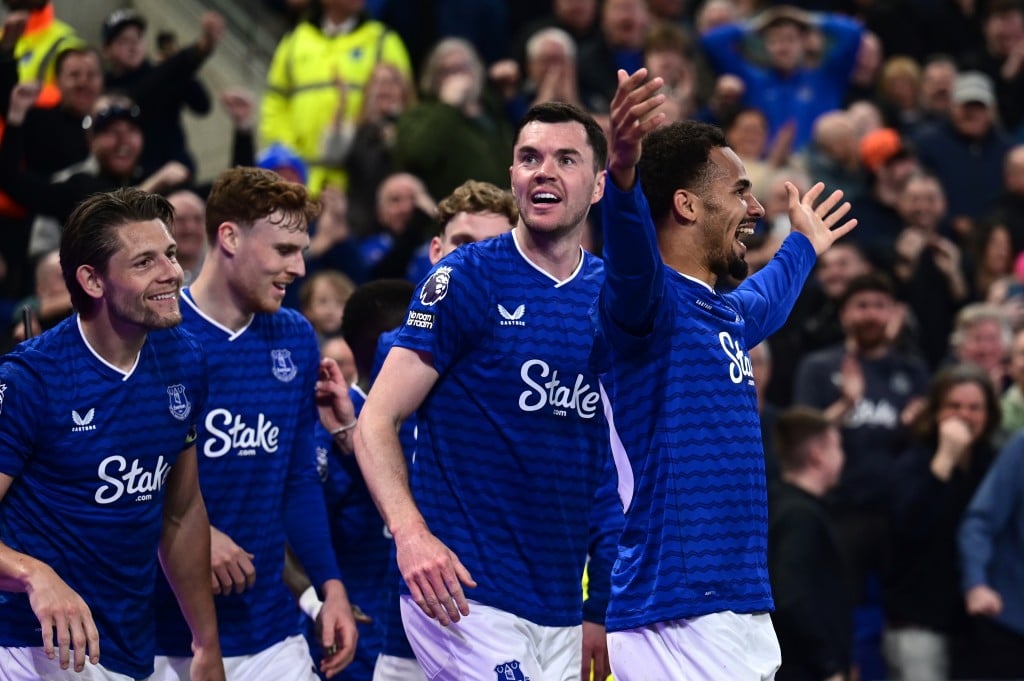
An Australian-founded gambling company has become unexpectedly entangled in a political debate involving Britain’s new prime minister after Everton’s sponsorship agreement with Stake reignited scrutiny of football’s relationship with wagering operators and a regulatory loophole that remains under government review.
Prime Minister Andy Burnham’s lifelong support of Everton has placed one of English football’s most contentious commercial relationships in an unusual political spotlight as pressure mounts to prohibit sponsorships involving gambling operators that are not licensed in the United Kingdom.
While Burnham has no involvement in Everton’s commercial affairs and has not commented publicly on the sponsorship, his position as prime minister adds an intriguing political dimension to a discussion around gambling reform in the UK.
For Australian wagering observers, the story also centres on one of the country’s biggest gambling exports.
Stake, founded by Melbourne entrepreneurs Ed Craven and Bijan Tehrani, has established itself as one of the world’s most recognisable wagering brands through an aggressive international sponsorship strategy spanning Formula One, Ultimate Fighting Championship, football and other global sports.
Its agreement with Everton has become the focal point of renewed scrutiny after the Premier League club shifted Stake from front-of-shirt sponsor to sleeve sponsor as English football prepares to phase out gambling logos from the front of playing jerseys.
The move complies with the Premier League’s voluntary ban because the restrictions apply only to front-of-shirt sponsorships and do not extend to shirt sleeves, training apparel, stadium advertising or other commercial assets.
Critics argue the arrangement demonstrates how quickly gambling companies can adapt their marketing strategies when new rules are introduced, preserving significant brand exposure while remaining within the letter of the law.
That argument has gained further momentum because Stake no longer holds a British gambling licence after surrendering its UK authorisation last year.
The company says it does not offer gambling services to British customers and operates only in jurisdictions where it is appropriately licensed.
However, current British laws still allow sporting organisations to sign sponsorship agreements with offshore gambling companies that are not licensed domestically, provided those businesses are not targeting UK consumers.
Campaigners argue that distinction has become increasingly meaningless in an era when Premier League matches are broadcast globally and sponsorship branding reaches British audiences regardless of where a betting operator is licensed.
The issue has become sufficiently contentious that the UK government is considering legislation to prohibit sponsorships involving gambling companies that do not hold a UK licence.
If implemented, the reforms would effectively close what many regard as one of the industry’s last significant advertising loopholes.
The proposal has also exposed divisions within the gambling industry itself.
Licensed operators, including Entain, have argued that football clubs should partner only with betting companies regulated by the UK Gambling Commission and subject to the same consumer protection standards.
Entain argues that allowing overseas operators to secure sponsorship visibility without complying with Britain’s licensing regime creates an uneven commercial playing field while potentially undermining responsible gambling safeguards.
Everton’s agreement has therefore become a test case for whether governments can regulate gambling marketing effectively in an increasingly global sporting economy.
The political overlay created by Burnham’s elevation to 10 Downing Street only adds to that significance.
Burnham has long advocated stronger action to reduce gambling-related harm and supported tighter regulation of the industry.
As prime minister, any move by his government to tighten gambling advertising laws will intensify scrutiny of Everton’s commercial relationship with Stake, despite there being no suggestion he has influenced the club’s sponsorship decisions or faces any conflict of interest because of his support for Everton.
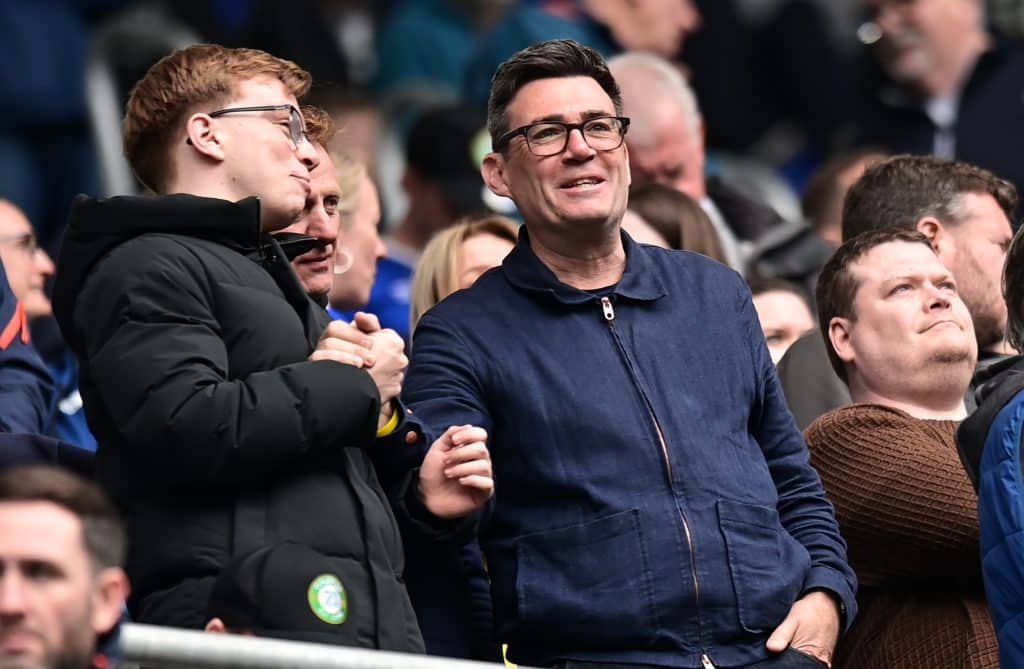
Politics, however, is rarely driven solely by legal distinctions and it could well be that public perception will shape the debate on the same level as the government’s formal responsibility.
The situation also mirrors developments in Australia, as outlined in the Win Some, Lose More report.
From the review recommendations, the Albanese government’s proposed ban on gambling advertising on players’ uniforms will force a major sponsorship overhaul across Australian sport.
NRL clubs including the Dolphins, Newcastle Knights, Sydney Roosters, Wests Tigers and the Penrith Panthers are among the teams expected to remove wagering branding from their apparel when the reforms take effect.
The legislation also prohibits wagering advertising at sporting venues and on officials’ uniforms, although existing commercial agreements will be allowed to run their course under grandfathering provisions before clubs are prevented from signing replacement betting sponsorships.
The reforms will remove one of Australian sport’s most lucrative sponsorship categories, with bookmakers estimated to invest tens of millions of dollars annually across the AFL and NRL
Apparel restrictions form part of a wider package that also caps television gambling advertising, bans betting commercials during daytime live sport, restricts online wagering promotions and outlaws the use of sporting identities in gambling advertisements.
Domestic wagering operators in the UK compete with offshore brands whose commercial strategies are often built around international sporting audiences rather than local betting markets and Stake is a prime example.
Although Australian-founded, its commercial ambitions have long been international, using elite sport as a vehicle to build a global brand rather than simply attract Australian customers.
That approach has made it one of the world’s most recognisable wagering companies despite operating under different licensing arrangements across multiple jurisdictions.
Whether Britain’s proposed reforms ultimately close the latest loophole or simply encourage the next evolution in sports sponsorship may provide an early indication of the challenges Australia will face as it implements its own gambling advertising reforms.
Related Articles
Wagering behemoth Entain cuts 500 jobs in global efficiency drive
Entain’s decision to lay off 500 workers globally has intensified concerns about the wagering sector’s restructuring, although the immediate impact on Australian operations remains uncertain following earlier domestic redundancies.

Hong Kong Jockey Club turnover climbs as global strategy delivers
The Hong Kong Jockey Club has capped another year of wagering growth, with record international engagement, expanding commingling and tourism.
SuperTAB punters to shoulder higher takeout rates under national tote
Chief wagering officer Michael Fitzsimons has promised Tabcorp will review the takeout rates of its parimutuel offering once the national tote is operational.
