
New Zealand racing begins all-encompassing reform process
New Zealand’s racing codes have joined forces on a sweeping governance review, with an independent board to examine structures, costs and opportunities across thoroughbred and harness racing.
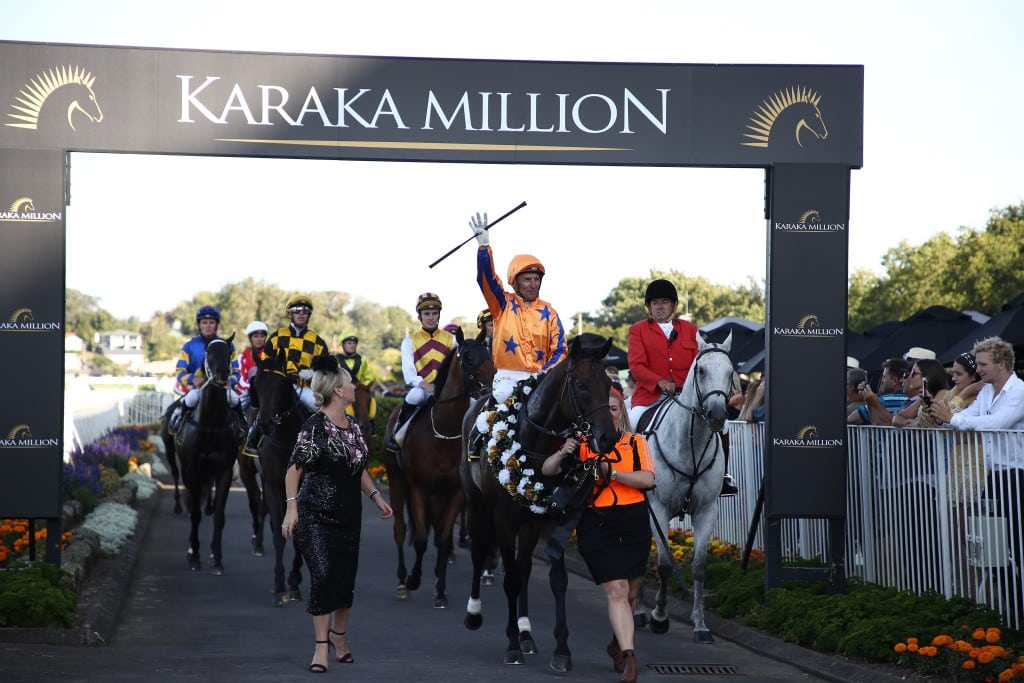
New Zealand racing has embarked on its most significant structural overhaul in decades, with TAB NZ, New Zealand Thoroughbred Racing and Harness Racing New Zealand joining forces to examine how the industry should be governed and operated.
An Establishment Board has been formed to lead the process, with an independent chair and representatives from each of the three organisations charged with developing and assessing options for a more sustainable and efficient future.
The initiative follows a report released in May by Sir Peter Vela, chair of the TAB NZ Advisory Committee, which found structural reform was critical to securing the industry’s future.
The Board will operate for a defined period, report to TAB NZ, which is accountable to Racing Minister Winston Peters, and take a system-wide approach rather than work towards a predetermined outcome.
No preferred future model has been selected, with the group to consider evidence, commercial analysis and international best practice before making recommendations to TAB NZ, NZTR and HRNZ.
TAB NZ chair Bill Birnie described the establishment of the Board as a landmark moment for an industry supporting tens of thousands of livelihoods and communities across the country.
“This is the most important step New Zealand racing has taken in decades and an enormous amount of work was undertaken to get here,” he said.
“The right mechanism is now in place to evaluate the best structures for New Zealand racing and how they can sustainably deliver growth for participants.
“The opportunities for racing in this country are substantial and the Board will consider a diverse range of options.”
Dean McKenzie, who previously chaired the Ministerial Advisory Committee established following the Messara Report and the Racing Industry Transition Agency, has been appointed independent chair.
Greg Tomlinson, a member of the TAB NZ advisory committee, will serve as the independent member, while TAB NZ deputy chair Wendie Harvey and chief commercial and industry officer Jason Fleming will also join the Board.
NZTR and HRNZ will each appoint two directors, with the organisations having separately signed an agreement to work with TAB NZ on the reform agenda.
TAB NZ chief executive Nick Roberts said the process would initially pick up the Advisory Committee’s findings before determining what the industry’s governance arrangements should look like.
“The Board’s focus is reform for the benefit of both the thoroughbred and standardbred codes. We expect it in short order to pick up the Advisory Committee’s report and determine what the industry’s governance should look like.
“The mandate is clear: minimise the administrative cost of delivering racing while unlocking investment in critical parts of the industry’s ecosystem.”
Roberts said New Zealand racing had strategic assets and growth opportunities that could benefit its workforce, fans and the broader economy if the industry was structured effectively.
NZTR chair Paul Humphries said the agreement allowed the codes to look beyond their existing structures while ensuring thoroughbred racing remained central to the process.
“This is a positive and necessary step for New Zealand racing. We have a clear opportunity to work together, look beyond existing structures and build an industry that is sustainable, competitive and equipped for the future,” Humphries said.
HRNZ chair Grant Jarrold believes the issues are common across both sectors of racing.
“The challenges facing racing are shared, and they require us to look beyond individual organisations and consider what is best for the wider racing system,” he said.
Establishing this Board gives us a disciplined, independently led process to examine the options thoroughly and develop a clear, evidence-based pathway for the future.”
The Board will appoint a programme director and may establish specialist working groups, with NZTR and HRNZ committing to provide regular updates to their respective racing industries.
Any significant changes emerging from the process will remain subject to approval by the relevant organisations, as well as consultation, governance and statutory requirements where applicable.
Related Articles

Sheza Alibi powers clear in dominant Makybe Diva Stakes win
The four-year-old mare swept aside a strong Flemington field, lifting her record to eight wins from 12 starts and extending Luke Nolen’s enduring Group 1 partnership with Peter Moody.

Baker’s three-year-olds land two-state stakes double
Warwoven strengthened his Golden Rose claims at Rosehill while Paradoxium made a successful return down the Flemington straight, giving Bjorn Baker two spring contenders on separate paths.
Sky Thoroughbred Central adds six programs as Racing NSW-led changes take shape
Racing NSW and Sky Racing will aim to widen the channel’s audience through new weekly shows, four vodcasts and simulcasts on News24 and Fox Sports News.
