
🔒 🔒 Perth Racing flags profitability challenge despite gains
Perth Racing has reduced its annual loss but remains under pressure to turn stronger revenue, increased activity and major investment into sustainable returns as the WA racing industry awaits the findings of an independent funding and sustainability review.
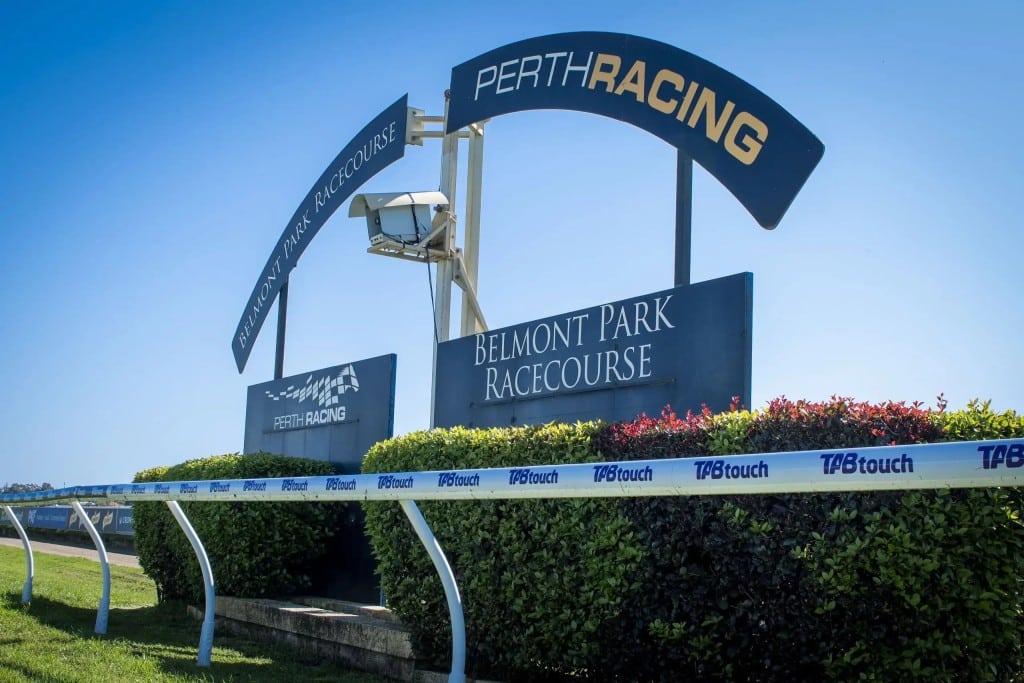
Perth Racing cut its annual loss by $443,000 in 2025/26, but a sharp increase in operating costs and a $10.2 million capital program left the club facing another year in the red.
The Western Australian Turf Club, the company under which Perth Racing operates, recorded a net loss of $1.23 million for the year ended July 31, compared with a $1.68 million loss in 2024/25.
That occurred despite an 11 per cent increase in operating revenue excluding stakes and subsidies.
“Profitability remains an important challenge for the club,” chief executive James Oldring said in his annual report summary, which also warned that further work was required to turn revenue growth into sustainable operating surpluses.
The improved result came as Perth Racing expanded its racing program from 74 meetings to 86, while attendance rose 16 per cent to 151,400 and several major commercial revenue streams strengthened.
Food and beverage revenue increased $1.9 million, or 15 per cent, while vision, export and broadcast rights rose $800,000, or 18 per cent, and admissions revenue grew $400,000, or 35 per cent.
But the additional income was substantially absorbed by the cost of delivering the larger program, with operating expenditure excluding stakes and subsidies rising 8 per cent, or $2.7 million, to $38.1 million.
Salaries and wages accounted for $1.9 million of that increase, reflecting wage rises, market conditions, additional positions and the impact of staging 12 more meetings, while facilities and maintenance costs increased another $700,000 and track expenditure rose with the Belmont remediation program.
On-course wagering provided another example of the difficulty in converting increased activity into stronger returns. Turnover rose $2.7 million, or 13 per cent, to $23 million without producing an equivalent increase in net wagering revenue.
Oldring said the benefit of higher turnover was offset by lower fixed-odds commission rates from race outcomes.
The financial result was also weakened by investment returns, with finance income falling from $2 million to $1.2 million as the investment portfolio returned about 5.7 per cent, down from 10.5 per cent a year earlier.
At the same time, Perth Racing continued a substantial spending program across its property and racing assets, using investment funds to support the Belmont works and the development of the Tote Hall at Ascot.
Oldring described the year as one in which Perth Racing had continued to invest in its venues and infrastructure while improving operating cash flow, but said the next phase would require greater discipline around expenditure and stronger returns from the club’s assets.
“The improvement in the reported net loss, together with the positive operating cash flow achieved during the year, provides a solid foundation from which to continue improving the club’s financial position,” Oldring said.
The club’s longer-term strategy is increasingly tied to finding revenue that is not traditional race-day income, with Oldring saying Perth Racing would focus in FY27 on growing and diversifying commercial revenues and identifying new opportunities across its property portfolio.
That includes the Ascot Structure Plan and associated Scheme Amendment, which Perth Racing regards as important to its financial security because alternative uses of land around the racecourse could help diversify its income base.
The issue extends beyond Perth Racing’s own balance sheet, however, with the club’s annual report highlighting the pending independent review into the Financial Sustainability and Governance of Racing and Wagering Western Australia (RWWA) as a major challenge for the state’s thoroughbred industry.
Chair Carol Adams said the next 12 months will be important for thoroughbred racing in Western Australia as the industry awaits the review’s report and its implications for the future structure and funding of racing in the state.
“This is a generational moment for thoroughbred racing in Western Australia,” she wrote in her report to members.
“We have shared our key recommendations to the independent review panel with members, and we have advocated those recommendations at every opportunity to the panel, including during a tour of the revamped Belmont facilities and face-to-face meetings.”
Adams confirmed Perth Racing made four key recommendations in its submission.
They included the retention of the current rate of Point of Consumption Tax (POCT) at 15 per cent and a significant increase in the pass-through of funds received via that POCT (from 30 per cent to 65 per cent) to better align WA with other states.
Perth Racing also called for a separation of the governance of the WA TAB and Racing WA and an entirely performance-based and transparent funding mechanism for the three codes that fall under RWWA.
Related Articles
New Zealand equine safety initiative targets earlier injury-risk detection
The New Zealand Equine Safety Initiative will combine development, training and veterinary records with movement data and blood research, aiming to give breeders, trainers and veterinarians earlier warnings of injury risk.
‘He had a good blow’ – Ka Ying Rising on song for second Everest
There were fewer dramas with Ka Ying Rising after a Randwick barrier trial on Tuesday than there was a year ago, leaving trainer David Hayes and jockey Zac Purton happy their star sprinter is on track for his second shot at The Everest.
Gallery – Stars of Saturday – Randwick and Flemington
All the action from a huge days of Group 1 racing at Flemington and Randwick from the perspective of the photographers from The Image Is Everything.
