
Premier position – Colts and fresh investment help re-establish Victoria’s sale in auction pecking order
The Melbourne Premier Sale bucked the overall trend of the yearling market, with the diversity of the buying bench and the catalogue credited with helping Victoria’s sole live yearling auction for the year improve its metrics on 2024. Tim Rowe reports.
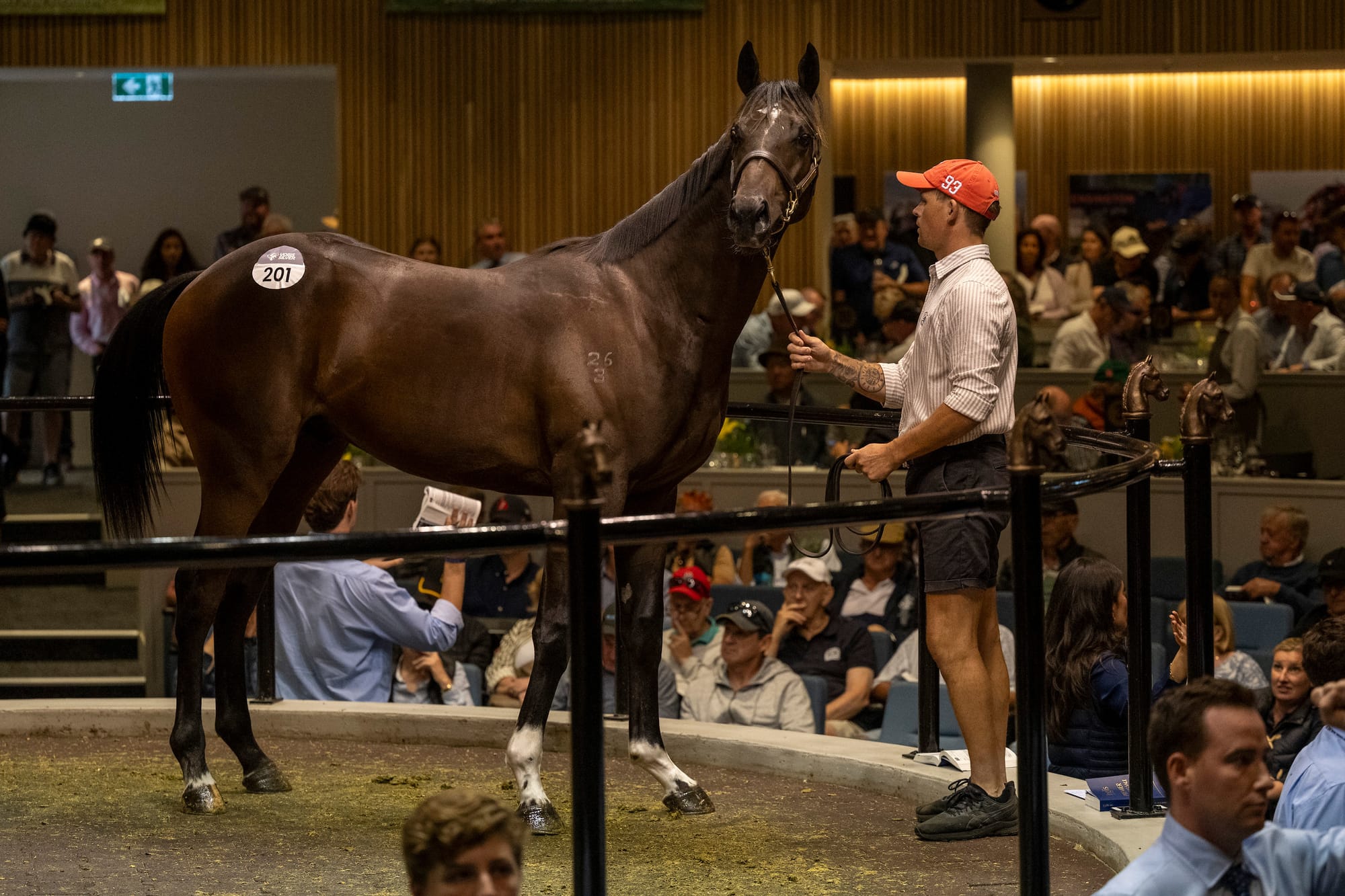
It could be argued that the Melbourne Premier Yearling Sale faces more scrutiny than any other select bloodstock auction in the country.
For many reasons, none more so than because it is now Victoria’s sole live yearling auction each year, the results of Premier can dictate the mood of the state’s breeding industry.
Victoria doesn’t carry the weight of the Hunter Valley stallion farms, but there’s still many heavy hitters involved south of the border, even away from the oversized influence of Yulong.
And those hardened businessmen aren’t afraid to voice their displeasure if they feel things haven’t gone as they should, particularly when it comes to their Premier sale.
In early 2018, Inglis’ $140 million Riverside Stables sales complex was unveiled in Sydney. A stunning Classic sale was held, generating $55.7 million in turnover, $20 million more than the year before. Magic Millions’ Gold Coast sale also jumped $22 million as bloodstock values were beginning to soar.
In contrast, the Premier sale of 2018 declined almost $4 million. It sparked a revolt, with those heavy hitters, including Gilgai Farm owner Rick Jamieson and Dorrington Farm’s Robert Crabtree, advocating for the Melbourne sale to be held in late January, effectively straight after Magic Millions and clashing with New Zealand Bloodstock’s Karaka sale.
However, Inglis has maintained Premier’s historic position in late February or early March and after its Classic sale in Sydney.
Across the four major sales so far this year, 2902 yearlings have been sold for a total of $418.712 million. The Premier sale contributed $60.275 million of that trade, or 14.4 per cent, up 1.22 per cent in terms of its market contribution compared to 2024.
This year’s Melbourne sale also defied the trend of the Australasian yearling market, with its aggregate increasing by 3.3 per cent compared to 2024.
 Bren O’Brien
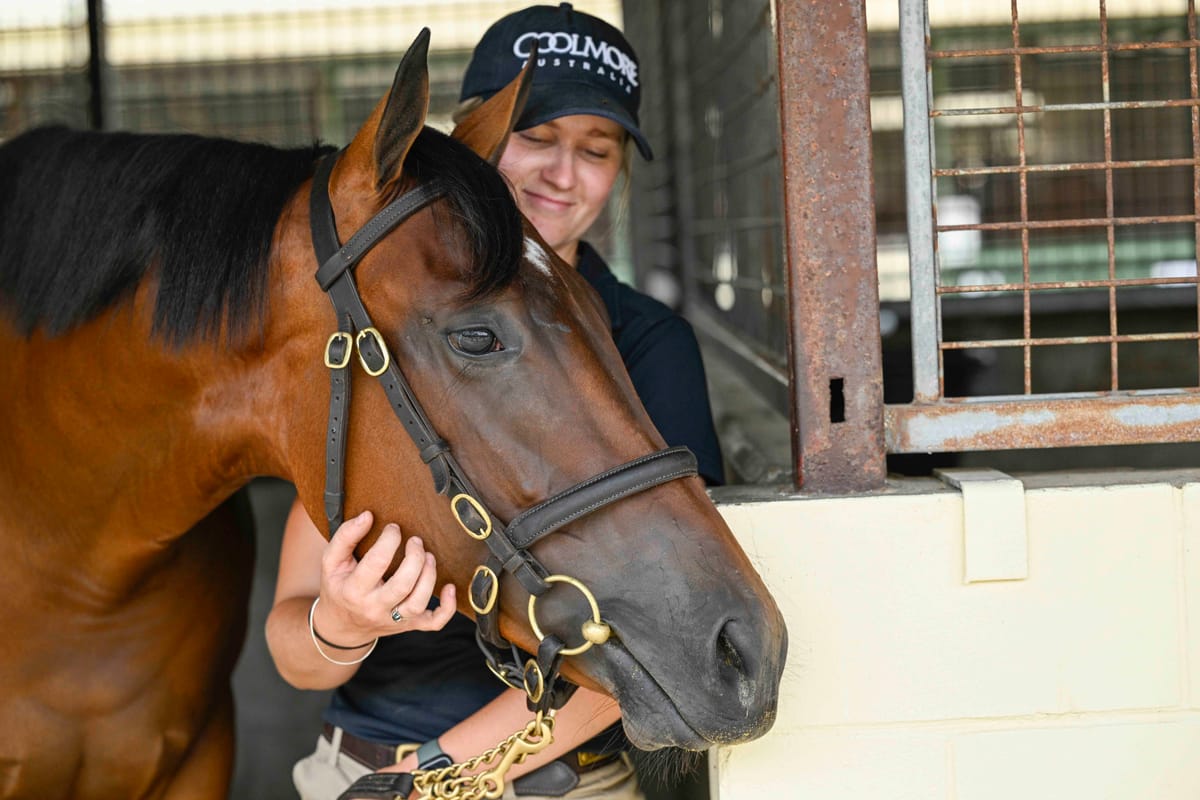
Just as placing horses in the right races is a major factor in a trainer’s success, so too is placing a yearling in the right sale.
The major Victorian studs – Yulong (73 Book 1 yearlings), Rosemont Stud (30), Widden (39), Blue Gum Farm (27) and smaller operations such as Gilgai Farm (12) and Two Bays Farm (14) – supported the Premier sale not only in numbers but also with quality.
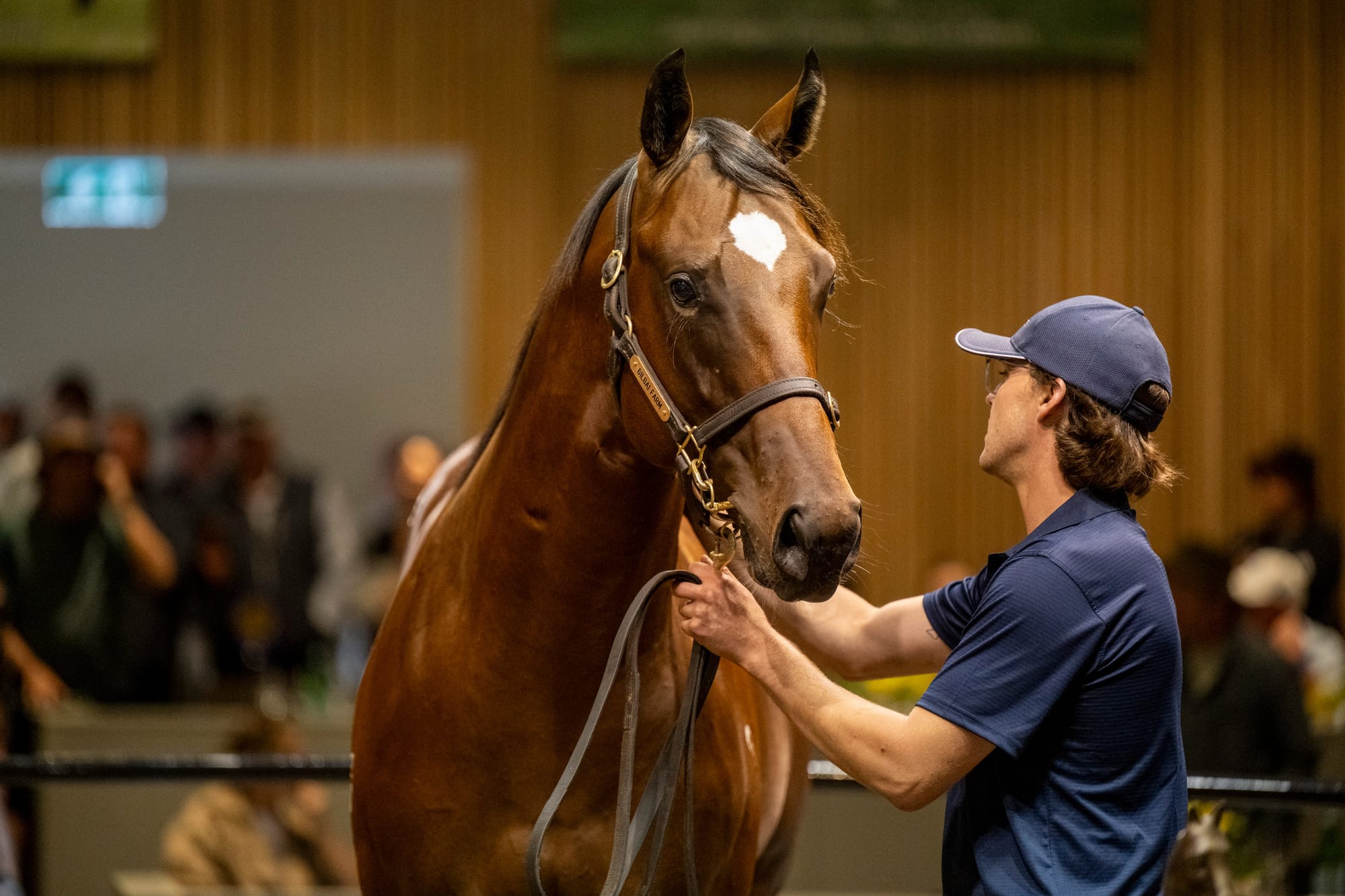
Gilgai and Rosemont sold Premier’s two million-dollar yearlings on Sunday.
“The reality is we owe a huge debt of gratitude to those farms who’ve supported the sale well because that’s given sufficient incentive to the buying bench to come here,” Inglis Bloodstock CEO Sebastian Hutch says.
“It’s incumbent on us to make sure that the appropriate people and necessary people are engaged in the sale in a way that means they’ll buy.
“People want to buy nice horses because nice horses are more likely to win good races and people want to win good races. It’s a fairly simple formula.
“And hopefully that’s a factor in encouraging people to come back next year, and the year after, and the year after that, and we continue to build and re-imagine the sale.”
 Bren O’Brien
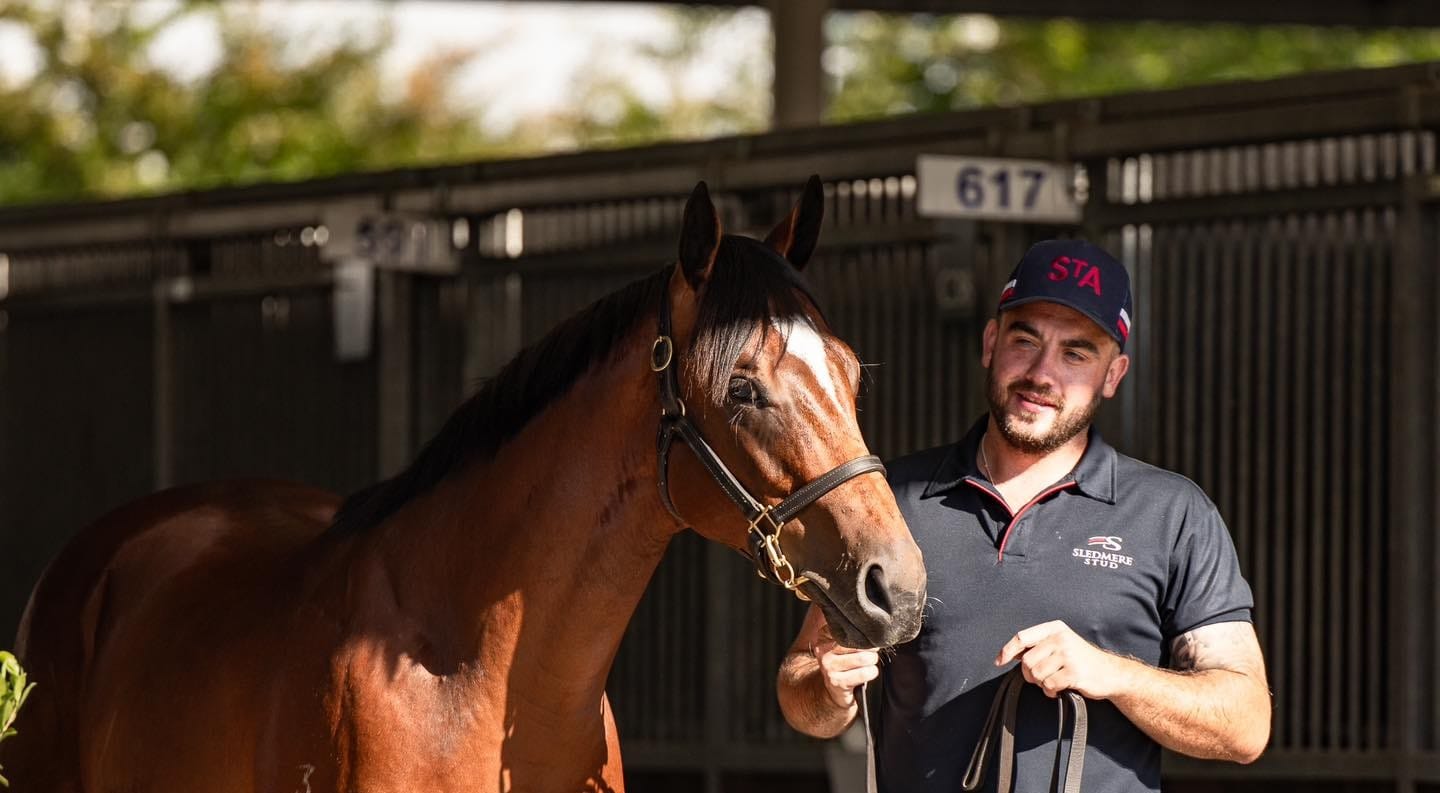
Nine of the 10 highest-priced yearlings sold at Premier were colts, compared to an even split at Magic Millions, six fillies in the top 10 and the three highest-priced yearlings all fillies at Karaka.
The colts also held sway at Classic but at the aforementioned Magic Millions sale on the Gold Coast, fillies averaged more than colts for the first time since at least 2005.
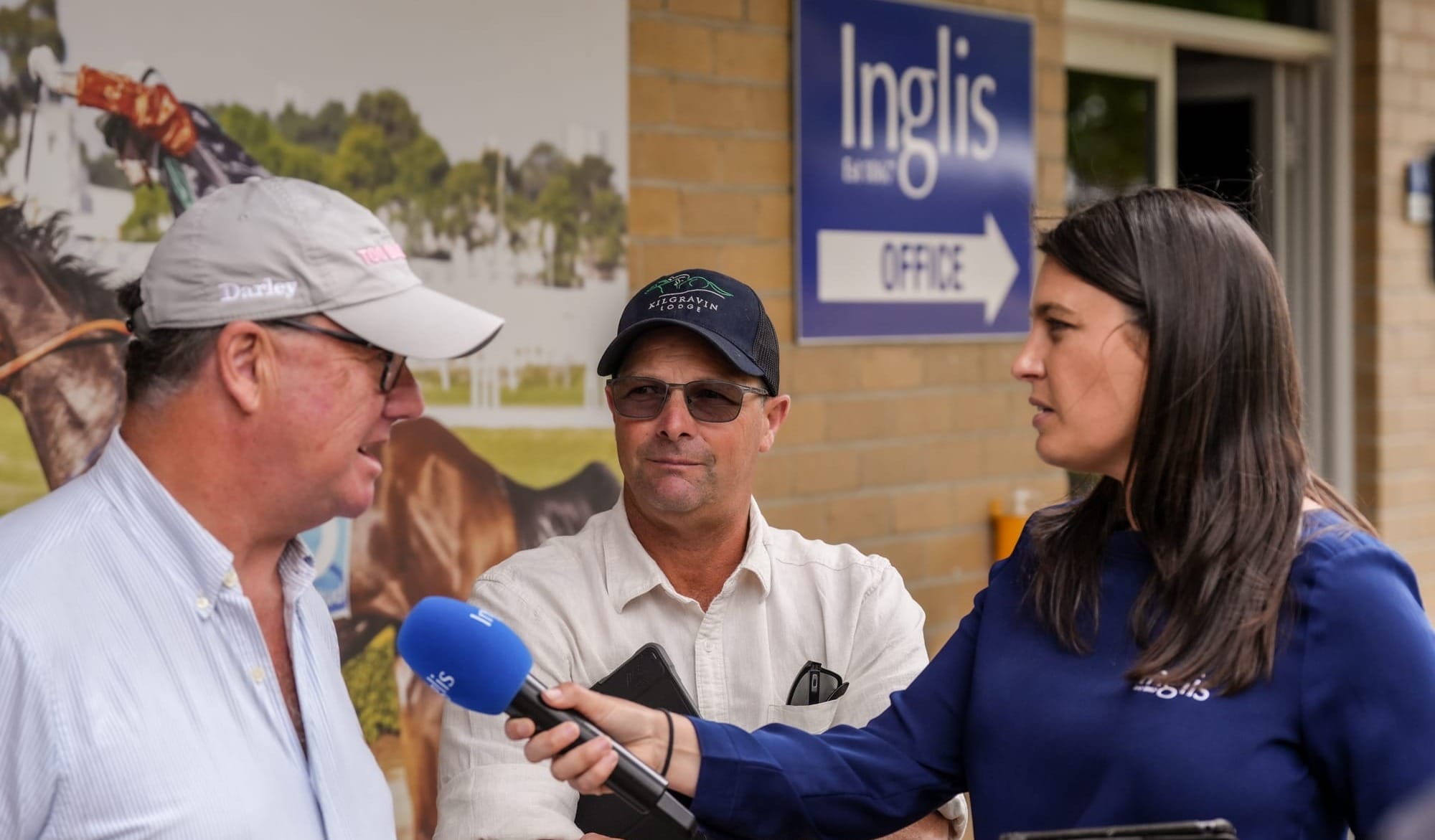
Gilgai Farm stud manager Kelly Skillecorn believes this year’s Premier sale returned to what it is best-known for and that is quality colts suitable for a range of purposes.
“If you have a look at our sales history at Premier, our colts are always making good money because the Asian buyers are always in the mix,” Skillecorn says.
“Most years we just don’t have enough of them because Rick only breeds 25 mares a year. But in the past we’ve got $500,000 for colts by Kermadec and Vancouver and even Ole Kirk was underbid by a Hong Kong guy.
“Those colts that are by the stallions they like, that are big enough and have clean X-rays, they’re always going to sell better here in Melbourne.”
Established sires Toronado, Frankel, I Am Invincible and Zoustar were all represented in the top 10 highest-priced lots sold across the three days at Oaklands Junction this week, but so too was Earthlight, Camelot and Mehmas, stallions better known in the northern hemisphere for their racecourse performances and subsequent progeny exploits.
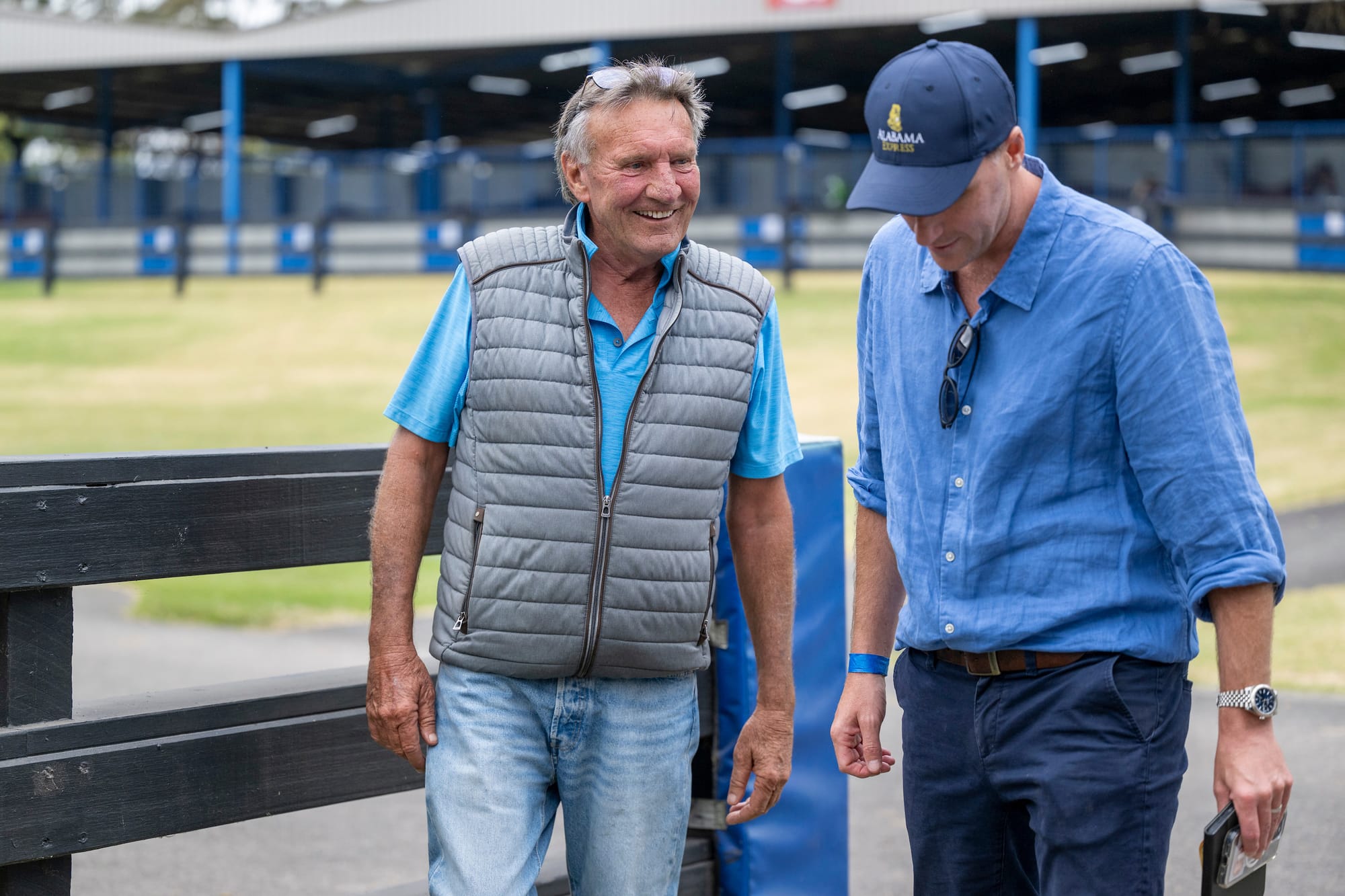
The diversity of the sale, in terms of buyers featuring among the top lots, was also significant.
Victorian investment on the sale actually fell slightly, but was largely made up for by a greater contribution from New South Wales buyers.
Intentional investment was up by around $700,000, despite a fall of over $1 million from buyers from New Zealand.
Englishman Simon Chappell, buoyed by a maiden Group 1 win as an owner with Australian Guineas conqueror Feroce, was keen to invest in the Melbourne market in support of his rookie trainer Dom Sutton, an expat fast making a name for himself in Victoria.
Chappell, Sutton and their agents Byron Rogers and Johnny McKeever spent $1.34 million on five yearlings.
New Zealand-based expatriate agent Craig Ramsay and Mongolian owner Ganbaatar Dagvadorj emerged as new players in the Australasian market at New Zealand Bloodstock sales, the former at the Karaka sale in January and the latter at the Ready to Run Sale last November.
New buyers on the scene don’t remain the property of one auction house or market for long, regardless of who was responsible for the initial introduction.
Ramsay bought five yearlings at the Melbourne sale while Dadvadorj, who has owned Grade 1 winners in America, took home two including Book 2’s $260,000 top lot by Ghaiyyath.
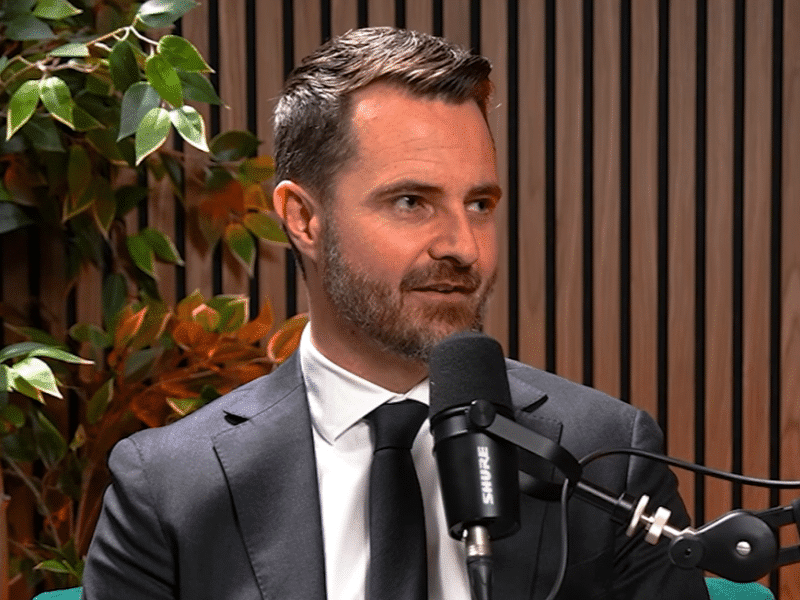
Irish agent McKeever found the Premier market as competitive as ever from a buyers’ perspective when it came to the horses perceived to be the right ones.
“I do a little bit of work for Eion Kemp (at Kilgravin Lodge) and he’s looking for Ready to Run horses and those trade horses, they’ve been as expensive as ever, if not more expensive, I think,” McKeever told the Straight Talk podcast.
“I think Hong Kong has been a very strong market this year. It’s the usual thing. For the really nice horses, they sell extremely well.
“But there is definitely a bit of correction going on in the middle and lower end of the markets.”
Traders such as Shane McGrath (11 lots), Upper Bloodstock (three), were busy seeking horses for two-year-old sales or yearlings who could potentially be on-sold off barrier trials later on.
Percentage of market (aggregate) across first four select sales each year
Hutch suggests that the volume of horses sourced by traders from the Magic Millions sale on the Gold Coast and the Classic sale was down due to the competition for those horses suitable for the purpose of on-selling.
“And they’ve come here (to Premier) and gone through half a day and realised, ‘hang on a second, this is as strong or stronger than Classic across certain parts of the market. If we’re going to be participants in the market, as traders through the second half of 2025 and ’26 and ’27, we’re going to have to get involved,” the Inglis Bloodstock CEO says.
“I think people might have just realigned their sights a bit and that will have prompted better or increased participation there.”
The growing footprint of Yulong, it could be argued, has also been a positive for Premier, with Zhang’s Yusheng’s draft proving a drawcard for buyers and Rosemont principal Anthony Mithen said after selling his million dollar Frankel colt at Premier was to ensure he stood out.
“I think Hong Kong has been a very strong market this year. It’s the usual thing. For the really nice horses, they sell extremely well,” – Johnny McKeever.
Resolute Racing’s John Stewart bought him despite not being at the complex.
Far from seeing Yulong as a threat to rival studs, Gilgai Farm’s Skillecorn believes Zhang Yuesheng’s presence helps the Premier sale and the Victorian industry in general.
“It’s fantastic having him here. Every trainer in Australia has got to get to Melbourne now because Yulong supports everyone,” Skillecorn says.
“If they don’t find one there they like or they get beaten or (the Yulong yearling) doesn’t make the reserve, then they’ve got to spend their money on something else.
“Therefore, if you’ve got the horse at Premier that they want to buy, well, you’re going to get well paid for it.”
 Staff Writer
In 2017, Zhang bought 36 yearlings at Premier, a year later he had eight yearlings catalogued, selling four of them which were prepared at a property at Bayles.
Seven years on, Yulong sold 41 yearlings at the Premier sale.
That’s not to suggest, of course, that there were segments of the market that weren’t difficult for vendors, but Victorian farms, and even those from interstate, can pause for thought about where they have Premier in the sales pecking order and how they can place their yearlings to advantage in 2026.
Author
Related Articles
🔒 🔒 Hinton heads to Hunter – Racing NSW chief executive and prominent breeders to break bread at Newgate
Racing NSW acting chief executive Graeme Hinton will visit the Hunter Valley next month as major thoroughbred farms attempt to mend relationships between the regulator and the breeding sector.
New Zealand faces up to industry ‘implosion’ with 40 per cent of Group 1s under threat
Racing jurisdictions, led by New Zealand, will use a key Asian Pattern Committee meeting in February next year to argue that changes need to be made to the way Group 1s are rated to protect their status as the country faces a brutal cull of its elite races.
British and Irish foal crop falls for a third straight year
Weatherbys’ Return of Mares puts the combined thoroughbred foal crop for 2026 at 11,312 in Britain and Ireland, down 17.2 per cent on 2023, with Britain falling hardest.
