
🔒 🔒 Prime selections – the army veteran who turned ‘reconnaissance’ into a racing advantage
Joe O’Neill has spent almost three decades turning careful research and sharp judgement into winners, with Cavalry Girl now offering Prime Thoroughbreds an unexpected shot at a spring Group 1 contest.
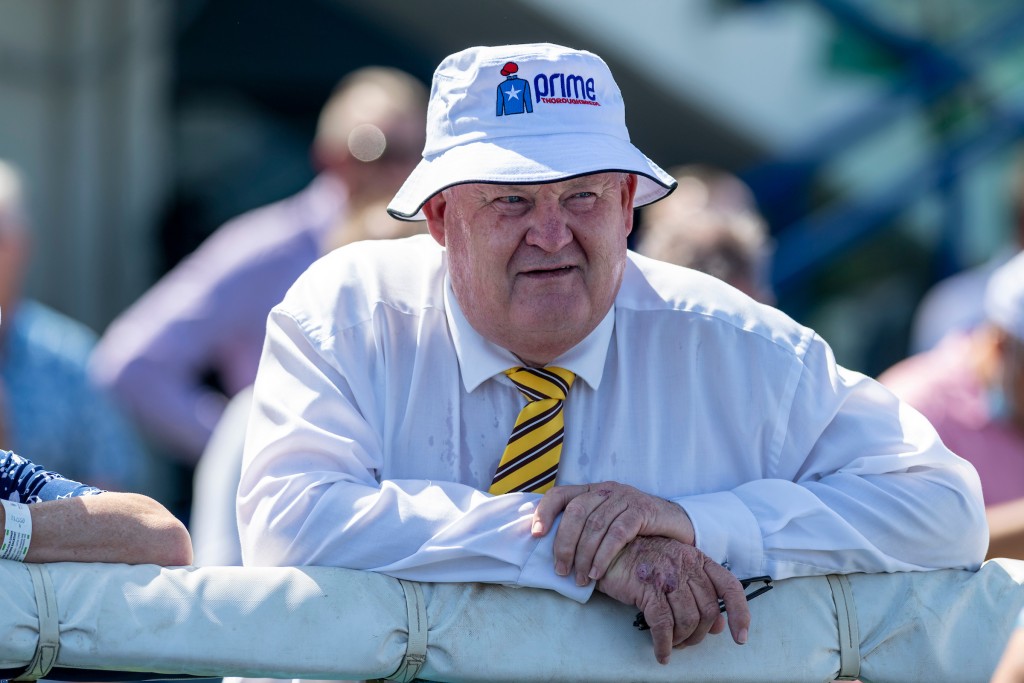
The best place to find Joe O’Neill at a yearling sale is not necessarily where the bidding is loudest, or even where the horses are most conspicuous.
For a man whose professional life began in the army and whose second career has been built on finding racehorses for other people, there is a certain logic to the Prime Thoroughbreds founder’s guiding principle: “You can never spend too much time on reconnaissance.”
O’Neill has spent almost three decades applying that philosophy to the bloodstock market, developing an operation that has deliberately remained small enough for him to be selective while accumulating more than 1000 winners and more than $30 million in prizemoney since Prime was established in 1997.
The striking part is not simply the number of winners but how frequently O’Neill has managed to find horses that outperform the expectations attached to their pedigrees and purchase prices, particularly among the first crops of young stallions.
That pattern is now represented by Cavalry Girl, the Inglis Classic yearling who has become the most prolific winner for her sire Bivouac and will give Prime its latest opportunity for Group 1 success when she tackles the Moir Stakes at Sandown.
Yet even that progression was not obvious when the mare resumed this preparation, with O’Neill admitting the idea of her reaching a race like the Moir was barely contemplated.
It’s been a meteoric rise from winter wonder to one of the main chances in a 1000m scamper that will be run at a substitute track while Moonee Valley, its spiritual home, is redeveloped.
The Moir has a history as rich as any Melbourne sprint. Black Caviar adorns the honour roll as a two-time winner when it was decided at Group 2 level.
It was elevated to Group 1 status in 2013.
Remarkably, Queensland marvel Buffering went one better than Black Caviar’s record with a 2015 victory, his third in the race and in the decade since Extreme Choice (2016), Nature Strip (2019) and Imperatriz (2023) have confirmed the Moir, carrying a $750,000 purse, is an undervalued stage for our elite sprinters.
O’Neill can scarcely believe Cavalry Girl has come such a long way in a short space of time, making the Moir a challenge too tempting to ignore.
“If we’d thought we were going to run in a Group 1, two months ago, I think you probably would have thought that we were mad,” O’Neill told The Straight.
The acceleration through the ranks came through a sequence of performances that persuaded him the mare was capable of adapting to whatever was asked of her.
A dominant win in the Lightning Stakes at Morphettville converted a target race into a black-type success before her rise continued in the Group 3 Carlyon Stakes over the Moir course two weeks ago.
As a $110,000 yearling, Calvary Girl is everything O’Neill values most in the “15 or 16” sale purchases he makes each year.
O’Neill’s buying philosophy is less about chasing a fashionable pedigree than identifying an agile horse capable of delivering for a loyal list of owners
“We always look for more nice, athletic sorts of horses,” O’Neill said.
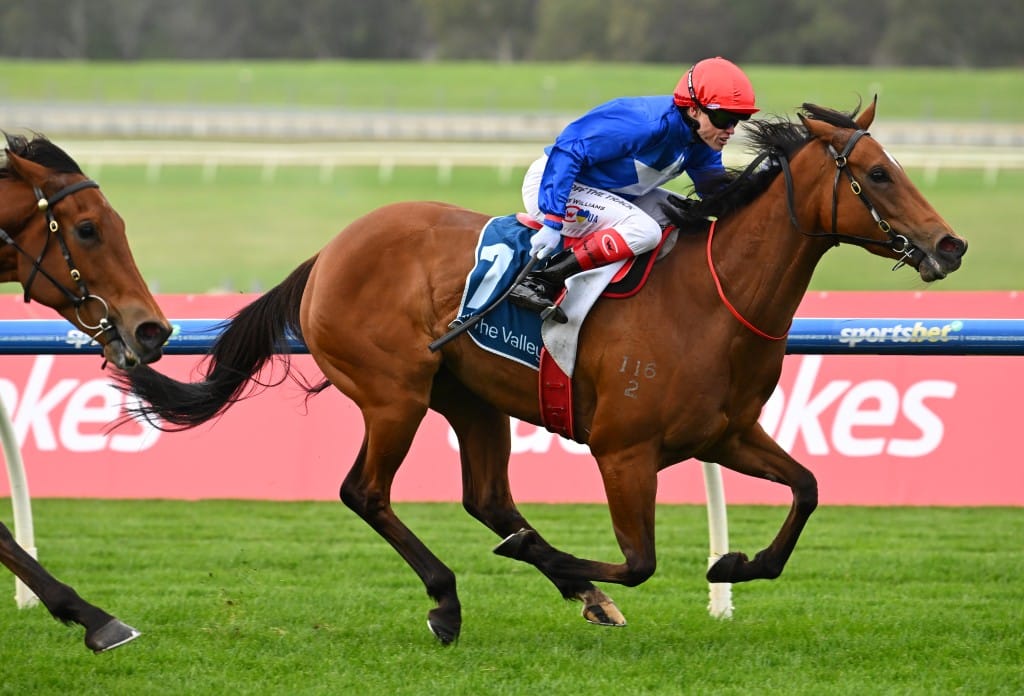
This approach has produced an extraordinary catalogue of inexpensive or modestly priced horses such as $1.26 million earner and Group 1 placegetter Rubisaki.
O’Neill is particularly interested in identifying young stallions before the market has settled on their reputations, a skill Prime’s own history suggests has been one of its greatest advantages.
“It’s been amazing how often we’ve brought the best horse by a first-season sire,” he said.
Cavalry Girl fits that template almost perfectly, being by Darley resident Bivouac.
Bivouac is the sire of Beiwacht, the Godolphin star who claimed a third Group 1 in winning the Memsie Stakes last week.
But with seven victories in 17 starts, Cavalry Girl is a testament to a business built around the knowledge of his bloodstock team and the friendships that remain.
His relationship with Cavalry Girl’s trainer Tom Dabernig is another example of the long-game thinking behind the operation, dating to when O’Neill watched the young horseman working at Lindsay Park and decided he wanted to support him if he eventually established his own stable.
“When he went out on his own, I sent him a horse the next day,” O’Neill said.
That partnership has since produced 14 syndicated horses, and 10 of them have been winners.
O’Neill began Prime after leaving his defence force post following a 20-year career, teaming up with former trainer Bill Mitchell, and the relationship has endured since 1997 as the operation evolved into a national syndication business.
“We’ve been together since 1997, Bill and I and his son James is now involved,” O’Neill said.
“I’ve been friends with the whole Mitchell family, including Harry and Arthur, for many years now. It’s been a great relationship.”
A Moir Stakes win would offer a fitting result for an approach that has never relied on being the biggest spender.
It will also be a reward for knowing where to look, when to bid and, in O’Neill’s words, doing enough reconnaissance to find the horse others might have overlooked.
Related Articles
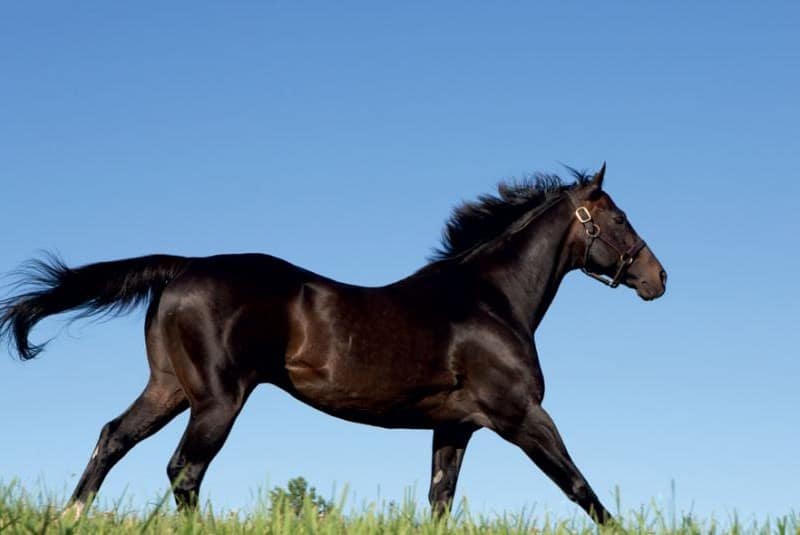
Influential sire Medaglia d’Oro dies aged 27 in Kentucky
Former Darley shuttler Medaglia d’Oro has died in Kentucky after an influential breeding career which included five Group 1 winners from his Australian crops.
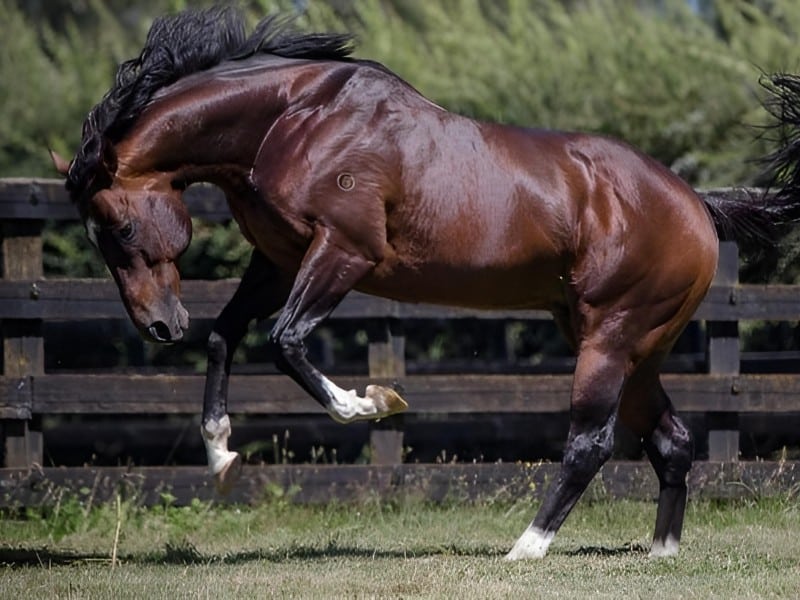
From a flip of the coin to The Everest summit – Ka Ying Rising’s unlikely beginning
The remarkable story of Ka Ying Rising begins not on the racetrack, but with a sub-fertile stallion, a $500 mare and a mating where the odds of success were far longer than those he faces at Randwick on Saturday.
🔒 🔒 Galileo’s Cup curse lives on at Caulfield, but his influence remains
For the first time since 2015, Galileo has no direct representative in the Caulfield Cup. Yet while he has never sired a winner of Australia’s great handicaps, his descendants continue to leave an increasingly powerful imprint on both the Caulfield and Melbourne Cups.
