
Racing Australia offers $2500 route to lift late foal declaration embargoes
A one-off Racing Australia measure will allow owners affected by late Foal Ownership Declarations to pay a $2500 fee to lift racing embargoes after an unsuccessful appeal, provided they meet deadlines for lodging the declaration and appeal.
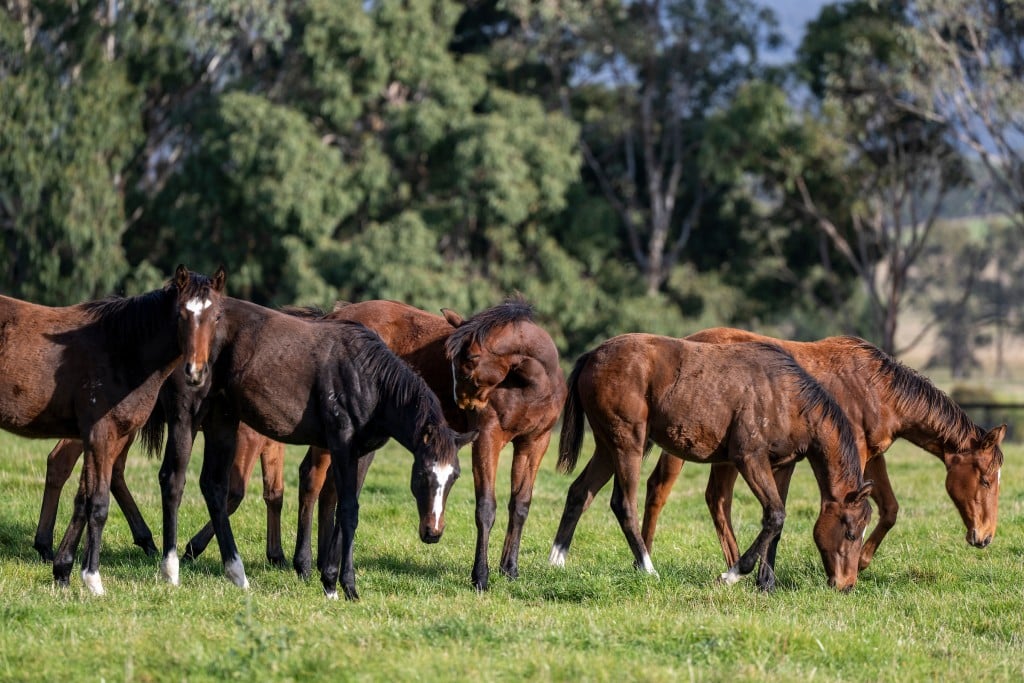
Racing Australia will allow owners whose Foal Ownership Declaration appeals have been denied to pay $2500 to lift racing embargoes, under a one-off concession being offered during the first year of strict enforcement.
The one-off measure covers horses born in the 2025 season or earlier and applies only during the first year of strict enforcement of Australian Rules of Racing AR285 to AR287.
Owners must have already lodged their Foal Ownership Declaration (FOD), or lodge it by Friday, October 9. An appeal must then be lodged by Friday, November 13.
If the appeal is denied, the owner will have 30 days to elect to pay the $2500 Appeal Denied Fee. Racing Australia will then remove the AR287 embargo that prevents the horse from racing. Owners who do not pay within that period will have the embargo maintained.
Racing Australia said money collected through the measure would be set aside for equine welfare. It will contact owners whose appeals have already been denied and provide them with a 30-day window to pay the fee and have the embargo lifted.
“The lodgement of the Foal Ownership Declaration is an important part of our overall horse traceability responsibilities and Owners and Breeders must adhere to the relevant Australian Rules of Racing,” Racing Australia chairman Rob Rorrison said.
“Our message has been very clear as to how serious an issue this is for the industry and I am pleased to say that the behavioural changes we are now seeing have resulted in the Late Foal Ownership Declarations falling substantially.”
Racing Australia said 102 late declarations remain outstanding from 113,715 foals across the 2017 to 2025 crops.
Almost half concern the 2023 crop, with 47 outstanding declarations from 12,362 foals. Another 25 relate to the 2025 crop, while 15 concern horses born in 2022.
Only 28 of the outstanding cases involve foals from the 2024 and 2025 seasons, which were covered by Racing Australia’s March amnesty. The other 74 are from earlier crops.
Racing Australia has received 61 appeals among the 102 outstanding cases. Some were successful after demonstrating special or exceptional circumstances, while others were denied because they failed to meet that threshold.
Owners must still follow the appeal process. Every declaration lodged more than 60 days after birth requires an appeal supported by the information specified in Racing Australia’s Appeal Guidelines. Only if an appeal is denied can the owner access the $2500 payment option.
“This final option to lift the embargo will only be offered this year being the initial season of strict enforcement of these rules and remains conditional on an appeal, including all of the information that is required under the Appeal Guidelines being lodged,” Rorrison said.
Strict enforcement began on August 1, 2025, after Racing Australia had previously advised the industry of the 30-day declaration requirement. Declarations made between 31 and 60 days attract a $360 late fee. Horses declared after 60 days are marked ineligible to race and owners must pay $500 to appeal.
The policy affected yearlings offered at the Magic Millions Gold Coast sale in January, including a $150,000 Spirit Of Boom filly whose sale proceeds were delayed while her eligibility was resolved. An independent panel later upheld that filly’s appeal and removed the embargo.
Racing Australia’s earlier amnesty applied only to the 2024 and 2025 crops and closed on April 14. The latest measure extends a pathway to older horses, but only after an appeal has been considered and denied.
TBA Chief Executive Officer Andrew Hore-Lacy said the change was an important step in resolving existing late FOD cases.
“The immediate priority is making sure every affected breeder and owner understands the process and acts within the deadlines,” he said.
“This gives affected horses a pathway back to racing, but there is still important work to do on how the rules operate in practice.”
But he said there was still work to be done on the longer-term operation of the Late FOD Appeal Guidelines.
“The people who know they have a Late FOD now have a pathway. Our concern is the people who still do not know they have a problem,” he said.
“We also want to keep working with Racing Australia to ensure that the way these rules are applied encourage compliance while still reflecting the everyday realities of our industry.”
Author

Related Articles
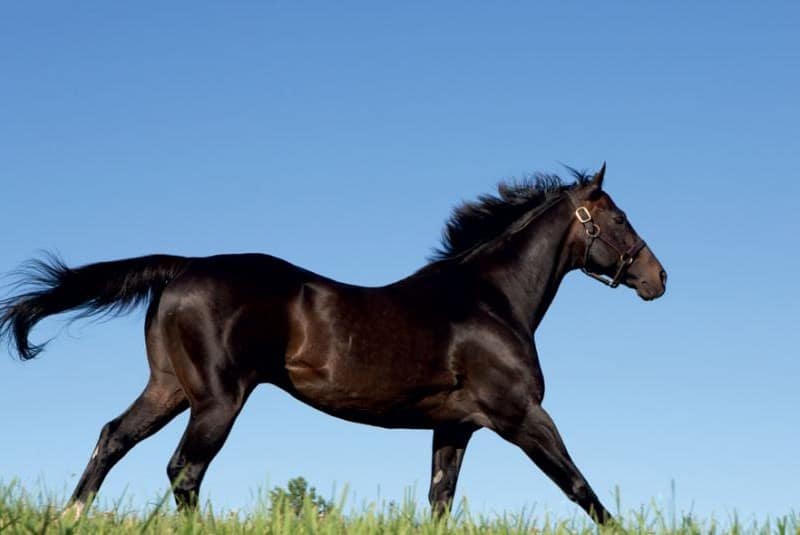
Influential sire Medaglia d’Oro dies aged 27 in Kentucky
Former Darley shuttler Medaglia d’Oro has died in Kentucky after an influential breeding career which included five Group 1 winners from his Australian crops.
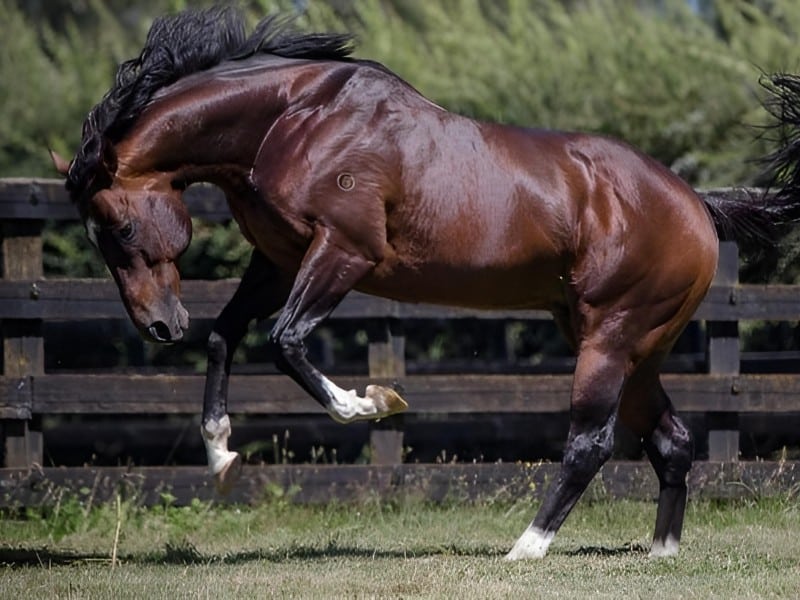
From a flip of the coin to The Everest summit – Ka Ying Rising’s unlikely beginning
The remarkable story of Ka Ying Rising begins not on the racetrack, but with a sub-fertile stallion, a $500 mare and a mating where the odds of success were far longer than those he faces at Randwick on Saturday.
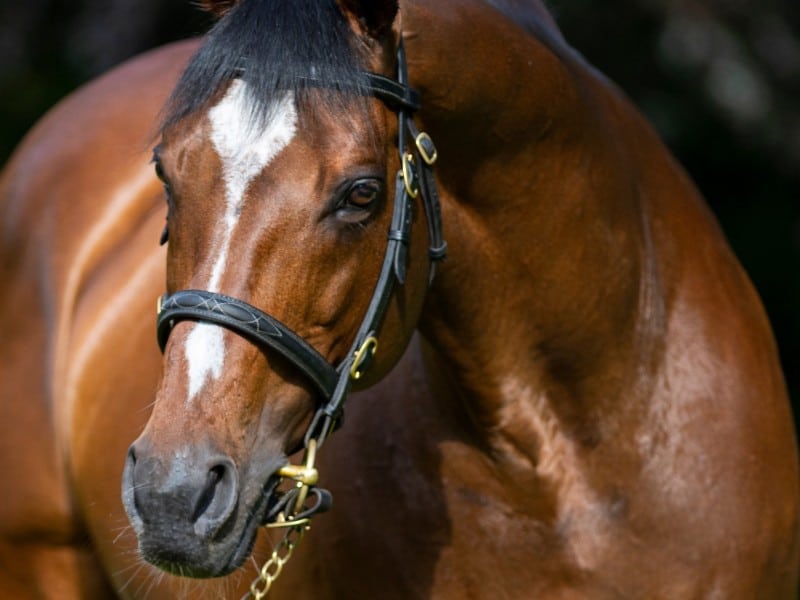
🔒 🔒 Galileo’s Cup curse lives on at Caulfield, but his influence remains
For the first time since 2015, Galileo has no direct representative in the Caulfield Cup. Yet while he has never sired a winner of Australia’s great handicaps, his descendants continue to leave an increasingly powerful imprint on both the Caulfield and Melbourne Cups.
