
🔒 🔒 A deed delayed – Tasmanian racing still awaiting funding certainty past 2029
The long wait for a new funding deed for Tasmanian racing continues with the latest minister responsible for delivering certainty to the industry, Roger Jaensch, saying final details are unlikely to be formalised before the state budget in May next year, while any new agreement is unlikely to be as long as the current 20 years.
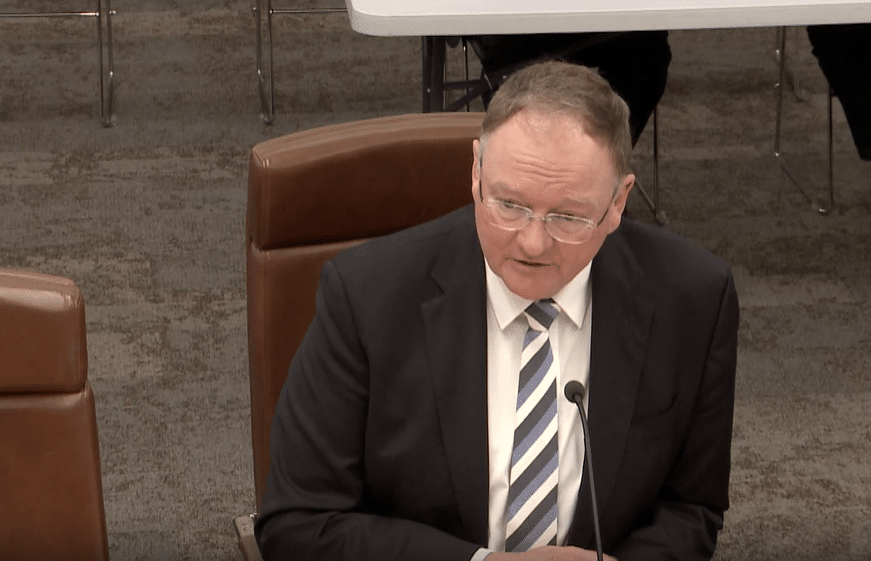
Tasmanian racing remains without any certainty about funding by the state government beyond 2029, with the details of a new deed unlikely to be formalised until the 2027 budget, months after the state’s thoroughbred yearling sale at Carrick.
Newly appointed Racing Minister Roger Jaensch told a parliamentary committee this week that the Rockliff government is aiming to give the industry a heads of agreement and to feed a new deed into next year’s budget.
Jaensch also signalled the replacement for Tasracing’s 20-year deed may run for a shorter term with frequent renewal.
“What we need to have built into the new deed is a mechanism by which there is a rolling arrangement where there is always a timeframe ahead of the industry that it can have confidence in which to invest,” he said.
“It doesn’t necessarily need to be a 20-year deed to provide certainty.
“It could be a shorter period but with frequent renewal so you always can see within your investment horizon what’s going to happen next.”
The current deed was established in 2009 and runs to the end of June 2029. Its appropriation began at $27 million a year, indexed. In 2024-25, Tasracing received $39 million in government funding. Of that, $20.4 million went to thoroughbreds, $10.1 million to harness and $7.3 million to greyhounds, with a further $1.8 million for integrity.
A review by Treasury and the Department of Natural Resources and Environment, announced in November 2025, has been completed and delivered to shareholder ministers. Jaensch said material would be released “in the not-too-distant future” for consultation.
“We would aim to be feeding that into the budget process before the end of the year,” he said.
Labor’s racing spokesman Dean Winter told the committee that former minister Jane Howlett had expected the deed to be finalised by May this year.
Winter warned that without a deed, February’s Magic Millions sale at Carrick could be “very, very difficult, if not unviable”.
He also said Tasracing had told the committee it needed certainty by early next year.
Jaensch, who became minister in June, said he had written to the industry confirming there would be a deed.
“I think we would be aiming to have something that the industry can see and have confidence in by way of the form of a Deed,” he said.
He described it as “some form of heads of agreement or similar arrangement that can provide certainty for them of the government’s intentions ahead of that Deed appearing reflected in the budget papers”.
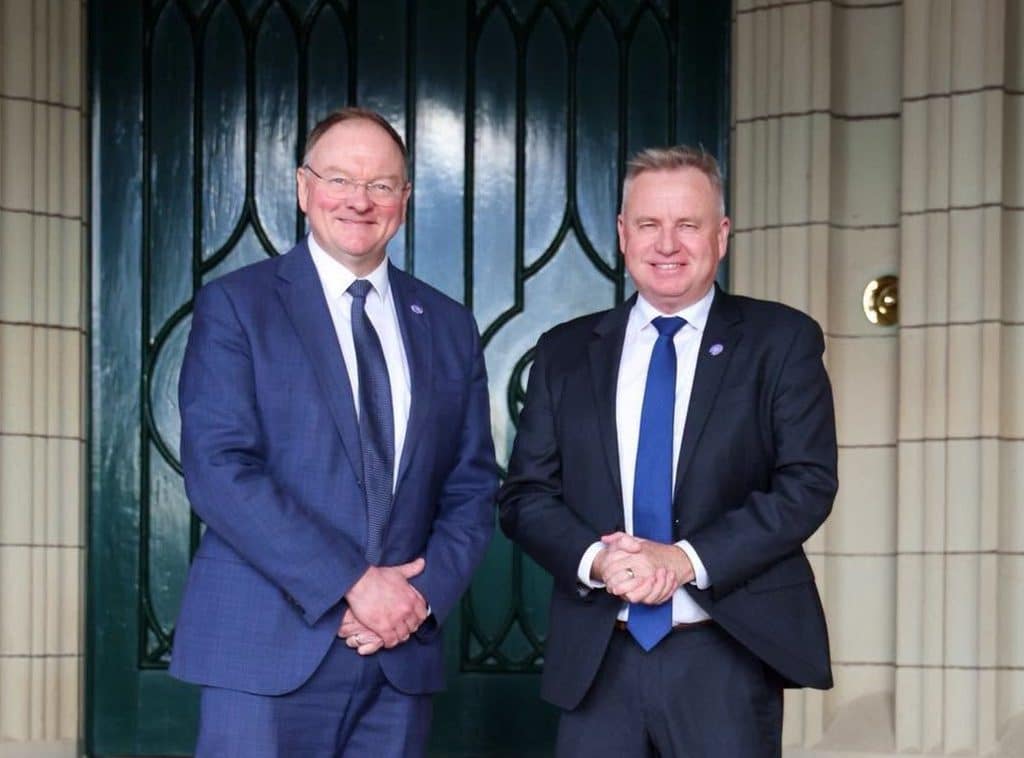
The government’s position remains that it will phase out greyhound racing within the life of the existing deed, despite lacking support in the upper house to pass legislation banning the sport.
Jaensch said the review modelled how Tasracing’s costs and revenue would change without the code.
He cited Treasury advice that ending greyhound racing would produce a net saving of about $3.2 million a year if the phase-out bill is enacted. Winter said Tasracing-prepared financials showed lost greyhound revenue would be matched by lower expenditure, leaving no net saving.
Jaensch said costs that would fall away include stakes contributions, integrity and veterinary services, injury and euthanasia rebates, and $0.9 million a year in rehoming.
He acknowledged some costs now shared across three codes may need to be absorbed by thoroughbred and harness racing.
“In any budget process, there is bids put forward and there is due diligence done. There is then a process of negotiation to find a manageable outcome,” Jaensch said.
He said the equine codes faced “significant underlying challenges and risks” to their economics regardless of the greyhound decision.
Author

Related Articles

John Sadler confirms November 30 end to training operation
After almost 50 years training in his own right, John Sadler will close his stable in late November and join Clinton McDonald in an advisory capacity.

Run The Numbers – King’s latest successes put female jockeys on brink of 50 Australian Group 1 wins
As Rachel King builds her own formidable Group 1 record, she is also helping female jockeys power towards a significant milestone: 50 Group 1 wins in Australia. Run The Numbers dives into the major contributors from Diane Moseley to Siena Grima.
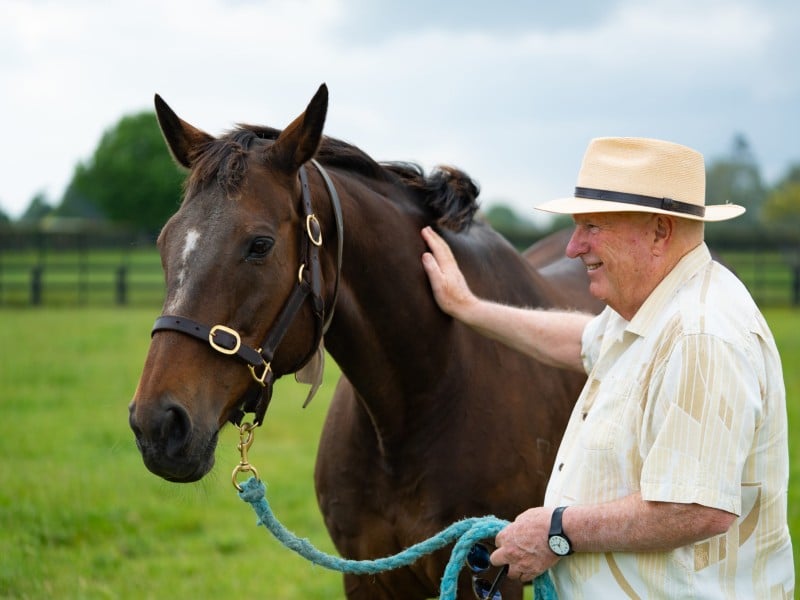
Ethereal enjoying retirement at Pencarrow Stud
This Saturday will mark a quarter of a century since Ethereal’s win in the Gr.1 Caulfield Cup (2400m), and the blue hen is still enjoying life at Pencarrow Stud, near Cambridge, at the ripe old age of 29.
