
Taxes and triple threats – Global gambling’s new certainty and its impact on world racing
The tide of gambling taxes is rising globally, with British racing facing an existential triple threat while bettors in the United States are being targeted. Australia knows the script well, but what does it mean for the future of racing? Bren O’Brien investigates.
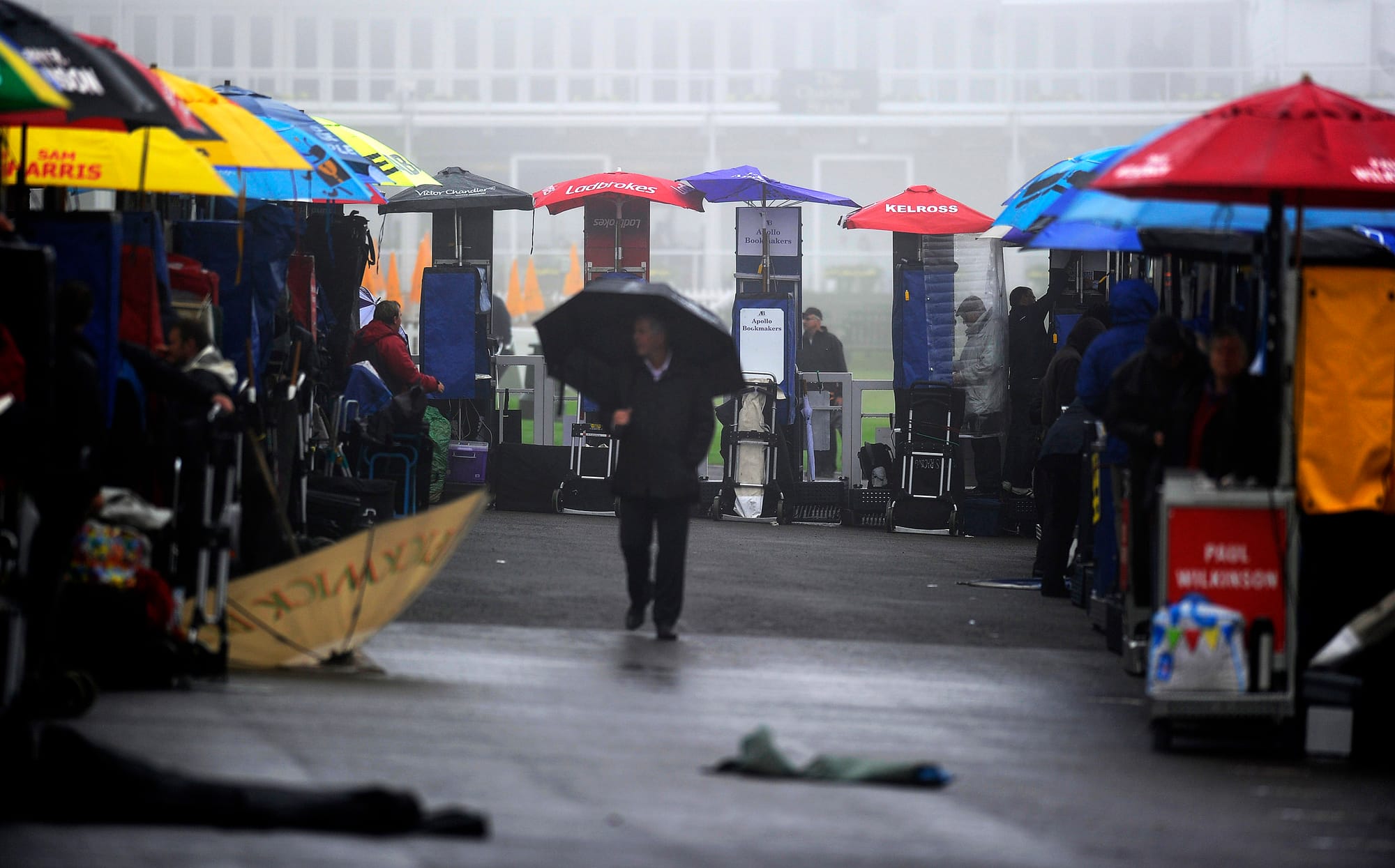
British racing is staring down the barrel of “one of the gravest risks to racing the sport has ever seen” as the industry rallies against the UK government’s moves to “harmonise” its gambling taxes, one of the outcomes of which could see betting on racing face the same 21 per cent duty as casino games.
Termed the “Racing Tax”, the prospect of racing being put on the same level as other forms of gambling – it is currently at 15 per cent – is being used as a galvanising force by the British Horseracing Authority.
Through key media partners such as The Racing Post and Racing TV, as well as its own marketing efforts, including a slick, well-produced video highlighting the contribution of racing to the British economy, the industry is coming together to advocate for change.
Their collective aim is to convince the Treasury during a consultation process which runs until July 21 that tax harmonisation would be devastating for racing and its related industries.
“It is vital that everyone working in racing, the media and bettors fully support and promote this campaign,” Brett Dunshea, acting chief executive of the British Horseracing Authority, said last week.
“The government’s consultation on harmonising online betting duties, if followed through, poses one of the gravest risks to racing the sport has ever seen.
“It will punch a huge hole in racing’s finances, risk thousands of jobs across Britain and threaten the future of the country’s second most-popular sport and a cherished national institution.”
The hole is estimated to be an £66 million annual reduction in revenue, via the current Horseracing Levy, media rights and sponsorship.
This is the third act of what the BHA has described as a “triple whammy” of financial threats caused by the UK government’s policies.
The first two aspects, as outlined in the All Party Parliamentary Group for Racing and Bloodstock report released last month, concern the rise in affordability checks, which are acting as a deterrent to turnover, and the lack of review of the Levy system, which funds racing.
“The millions of people in Britain who enjoy attending race meetings and having a flutter on the horses will not thank a government that, as this issue comes roaring down the track, stands idly by when it is in their power to stop it,” the bi-partisan political group said.
Much like has happened in Australia, UK racing is facing a turnover cliff thanks to the compounding aspects of a post-pandemic slump and greater regulation and charges.
The Racing Post estimates this shortfall is in the realms of £3 billion in turnover annually.
Responding to the 15 per cent drop in year-on-year turnover in the first three months of 2025, the BHA indicated that higher-staking customers are either betting less or moving to unlicensed operators.
It projects a rise of the taxation rate to 21 per cent would all but end promotions such as best odds and result in poorer odds for punters.
Sound familiar?
The role of professional punters within the racing industry is a vexed one for those who run the racing industry, be it in Australia or in the United Kingdom. Those who run the sport see the contribution of advantage players to debate as being driven by self-interest, but they are often canaries in the coal mine when it comes to broader problems.
 Bren O’Brien
In the United States, professional punters were the first to raise the major concerns they have about the impact of President Trump’s One Big Beautiful Bill Act. In a jurisdiction where punters pay taxes on gambling wins, they will now only be able to offset 90 per cent of gambling losses.
For high-volume players, whether in sports, racing, or other avenues, they face the possibility of paying tax in years when they may actually make a loss.
What is fascinating, and what has parallels to what is happening in the UK, is that the professional gamblers have enlisted political help. Democrat Congresswoman Dina Titus, who is unsurprisingly from Nevada, has this week put forward the Fair Bet Act to repeal the changes. Her Bill is co-sponsored by Californian congressman Ro Khanna.
Khanna’s initial response to the Trump OBBA changes were that it would “kneecap sports and gambling” and was “an attack on freedom, fun, and sports”.
The responses to Khanna’s initial post on X are also evidence of the politically toxic nature of gambling policy.
The Democrat found himself caught in a political crossfire between those who fanatically support Trump and those who hold the belief that gambling is a social evil. He couldn’t win.
All of this is occurring at a time when the two major betting companies in the United States are passing on the costs of state-based levies to bettors.
The issues in both British and American policy point to the broader issue that gambling on racing or sports is increasingly perceived as no different to slots/pokies or casino games.
 Bren O’Brien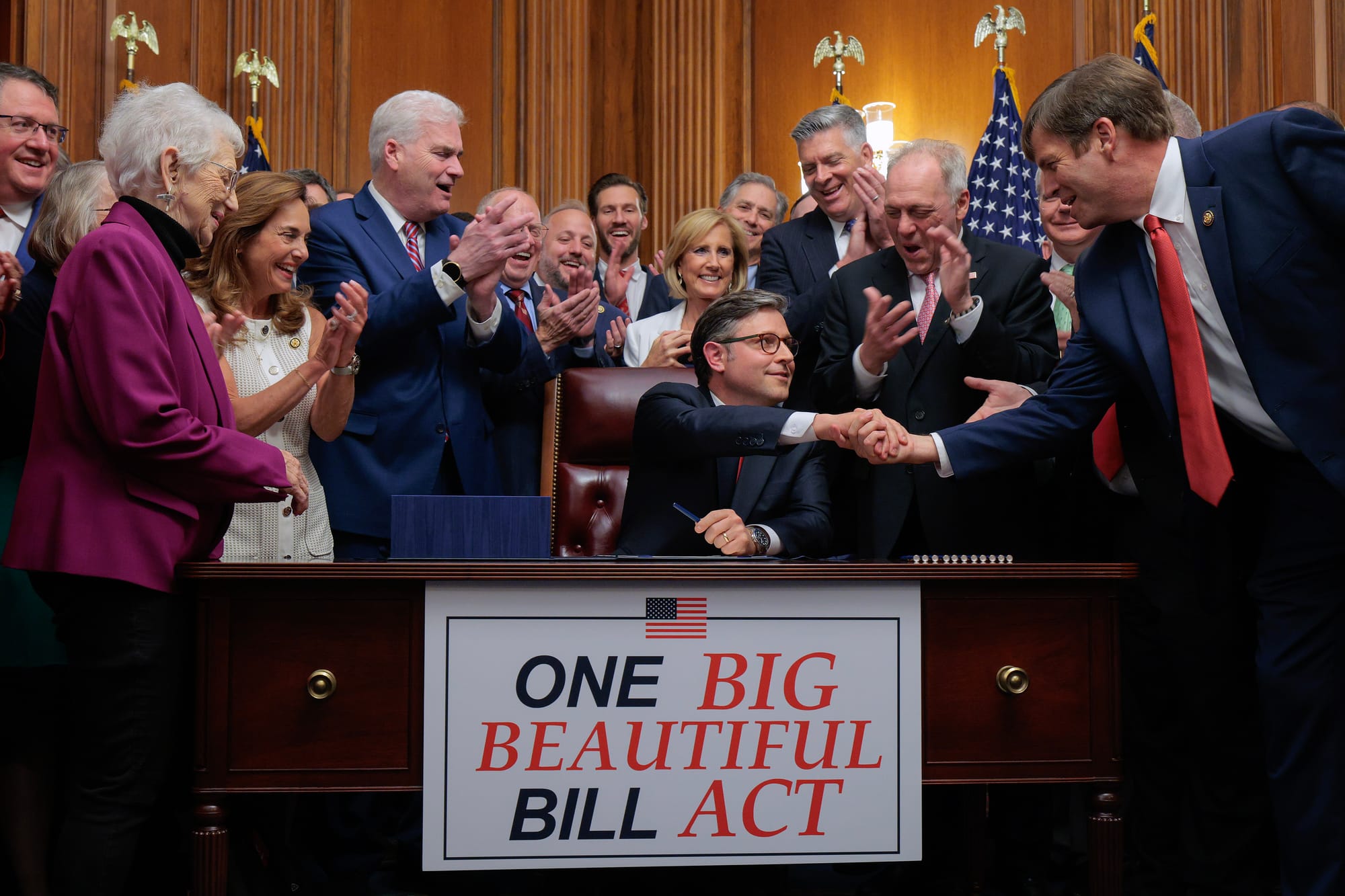
Racing has been given the social licence to exist as a gambling medium because it is more than just a game of pure chance. It supports and underpins a broader industry of trainers, jockeys, stable staff, administrators, and by extension, breeders and associated staff.
But policy and taxation debates globally are increasingly failing to make that distinction.
There is a reasonable argument that raising taxes only compounds this. Creating more “losers” puts racing and sports betting in no better a position than casinos or pokies. That certainly suits the argument of those who wish to see gambling on racing and sports banned, or at least more regulated and taxed more heavily.
As recently discussed on The Straight, it also assumes that these betting jurisdictions are closed markets. Neither the United Kingdom or the United States, nor Australia for that matter, are particularly effective at enforcing a legislative net which prevents gamblers from betting in unregulated, and untaxed markets.
Australia has been through the “gambling tax hike” cycle that the UK and the US are currently going through. From 2017 until 2023, state-based Point Of Consumption Taxes were established and then raised, having seen an unexpected windfall from the post-pandemic wagering boom, which has now ended.
There is ample evidence to suggest that higher rates of POCT are not acting as a disincentive to turnover. Again, this suits the narrative of those who believe they are minimising overall gambling losses but doesn’t stack up when the reality is that you have a higher percentage of losing punters.
What the current climate of activism in British racing, and to a certain extent the United States, points to is the value of having a coherent national approach on issues of major importance. As the consultations are being held, the BHA is front and centre in encouraging people to contact their local politicians and have their voice heard.
That is not a luxury Australia has to lean on due to the state-based jurisdictions of racing, and the political divisions between the various racing authorities. It is a weakness which may prove costly as gambling regulation and tax reform continue to become a political football across the world.
Author

Related Articles

Straight Talk – Rising costs for trainers, cuts to Tassie meetings and the future for smaller breeders and live broodmare sales
Straight Talk looks at training costs amid concerns about ATC increases, Tasmania’s reduced race meeting schedule, challenges for smaller breeders and much, much more.
Losing Sleip – Trainers call for trial of lameness app before mandatory introduction
NSW trainers have urged Racing NSW to trial the Sleip AI lameness detection app before mandating its full use across the state, citing unanswered questions over costs, compliance and how the technology’s findings will be applied.
The Straight and Horse Jobs Australia form strategic employment partnership
The Straight and Horse Jobs Australia are proud to announce a new strategic partnership designed to transform employment advertising and career pathways across the thoroughbred, racing and wagering industries.
