
‘There are lessons in places like Singapore’ – One Moor trip for Daniel
The clock is ticking on Singapore racing. If you never ticked off Bukit Timah, you won’t tick off Kranji unless you squeeze it in before October 5.
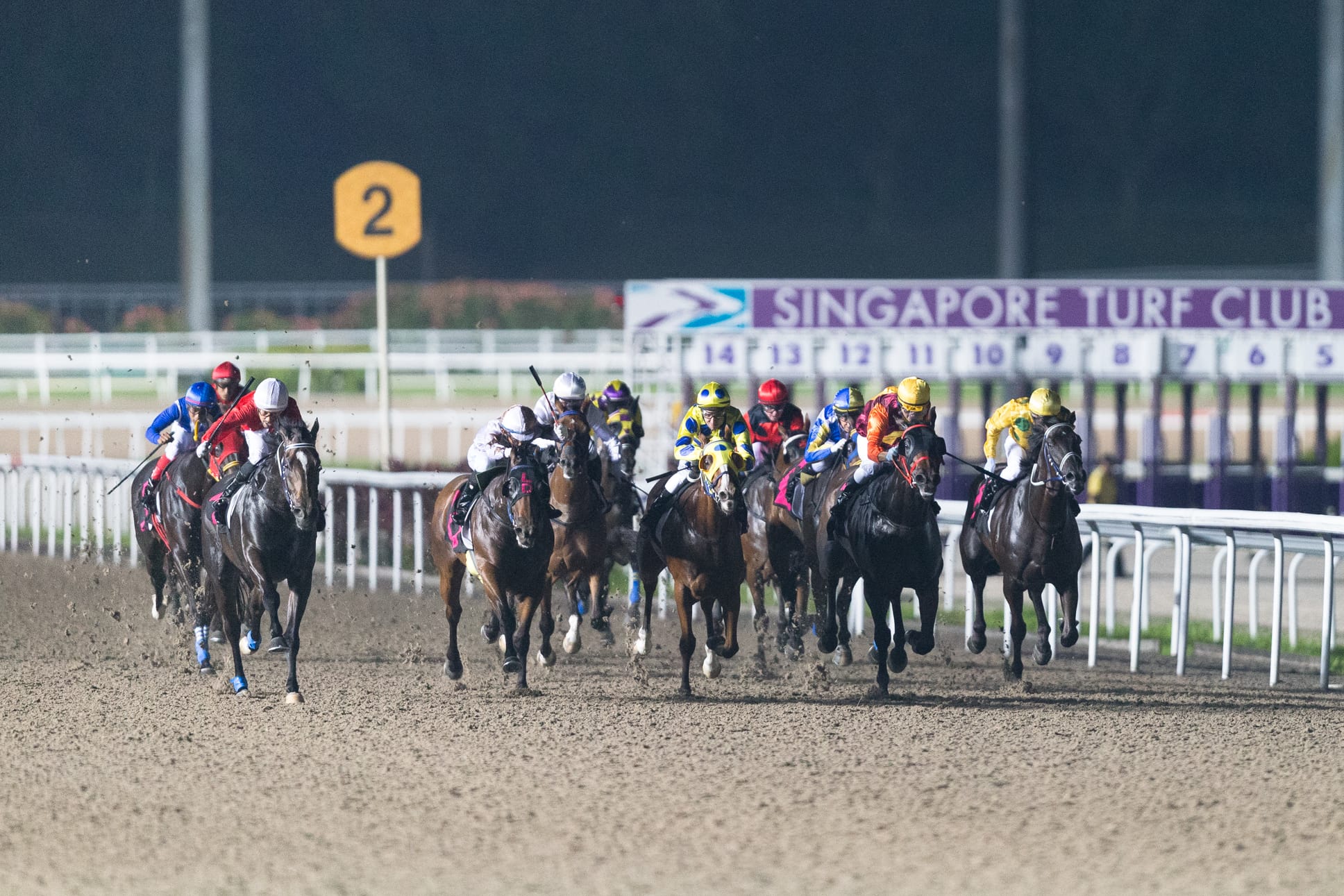
The swansong will be the 100th running of the Singapore Cup; a celebration, then bulldozers. That’s so long as the moving parts keep moving. Many participants have moved on despite an assurance that recent prize money increases – how ironic – will remain until the very end.
As we wrote in The Straight some weeks ago, you’ve missed your chance to experience a race day at Macau and Athens. I was lucky to have attended the coastal Athens track many years ago. I have a vague memory of a primitive stone grandstand and a clear memory of cheering home a quinella only to be rewarded with my money back from a dodgy-looking tote attendant.
You can holiday in Mauritius but you won’t be going to the races. They’d raced at Champ de Mars, the world’s second-oldest racetrack, since 1812.
Thirty years later, in 1842, Scottish merchant William Henry Macleod Read and his horsey mates banded together and conducted the first race meet in Singapore.
These venues are mostly just memories for the fortunate and regrets for those who never got the chance.
I never attended a race meeting at Kranji.
Months before its grand opening in 2000, then-local trainer Mick Kent took me on a tour of the building site. It was gargantuan compared to Bukit Timah, the quaint inner city track too valuable to keep. (Oddly, the site still hasn’t been developed for housing).
The sprawling Kranji precinct cost $500 million to create and Kent strode through the construction phase with a sense that this racetrack would be a jewel for Singapore and at the very least stand the test of time.
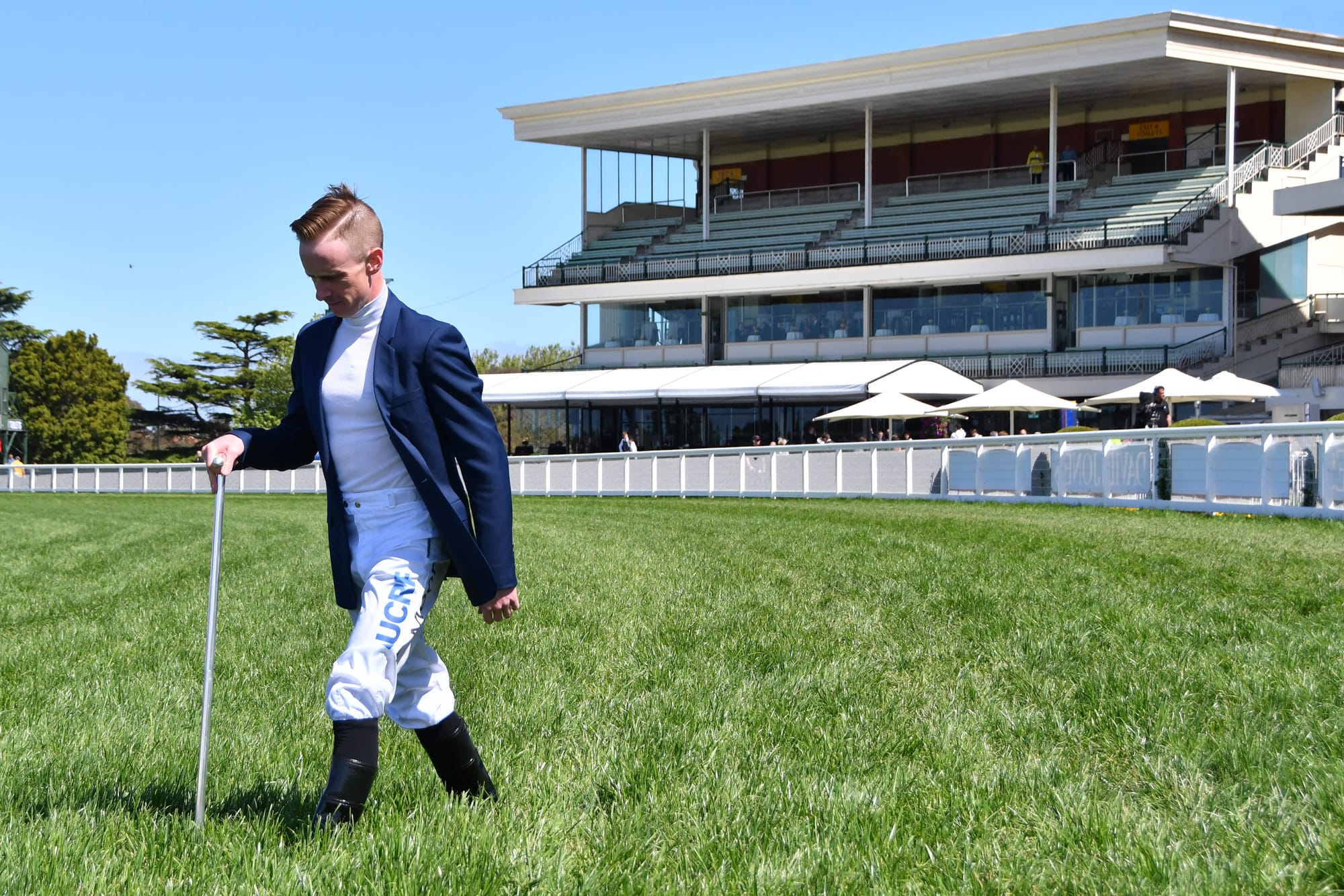
It stood for just 24 years.
What does a day at the doomed Kranji races look like?
Daniel Moor has competed at Kranji so many times that he says it’s akin to flying to Adelaide.
“I reckon I’ve dropped in probably 22 times over the last five or six years. It’s been a second home,” Moor said.
Moor is back in Singapore until the curtain call. He has no idea what to expect in coming months but says there is an eerie vibe; the crowds have been “back to the old days” but the high-ups have deemed racing irrelevant and costly.
“It was the Kranji Mile last weekend and the crowd was huge. It’s sort of ironic. I think most of them came because it was in the news for closing and they thought they should get along,” he said.
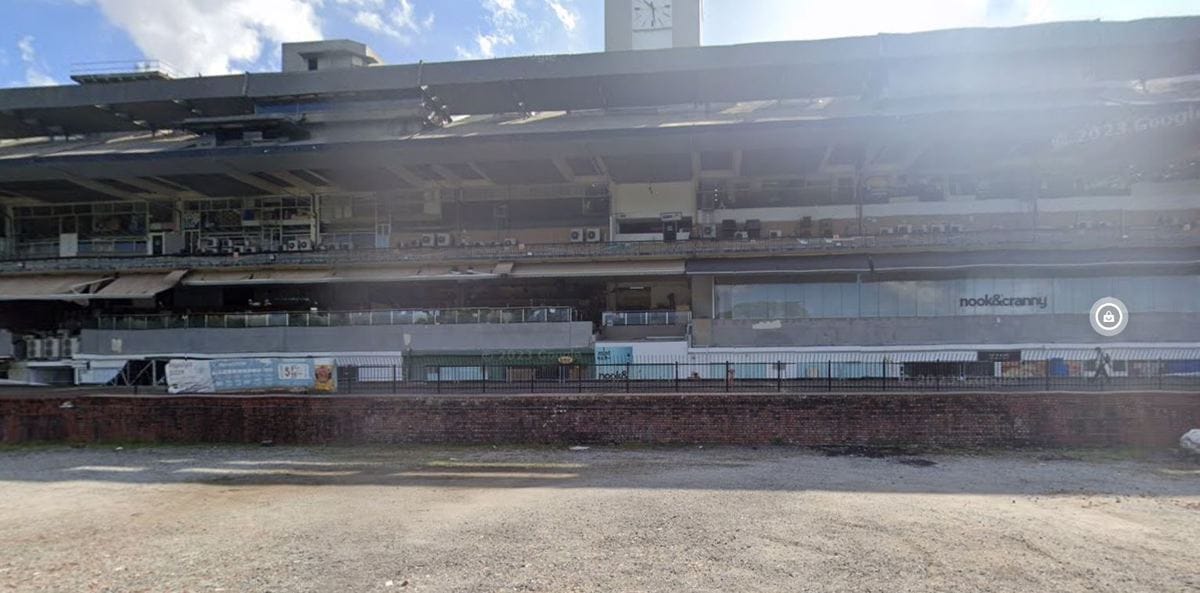
Moor rode for three years in Singapore just before COVID-19 and all up he’s ridden 670 winners at Kranji.
Moor said that a night at Kranji, back in its brief golden era, was electric.
“When I first got there it was immaculate. It was probably the nicest track I’d ridden anywhere in the world,” he said.
“It was a beautiful circuit; a great long straight, a great galloping surface. Caspar Fownes campaigned a horse here from Hong Kong and he said he’d dreamt about having the training facilities that Singapore had. There was no expense spared.
“The grandstands, even now, were world-class. The dining, world-class. It really was (is) one of the great racetracks of the world.”
Moor says the best Singapore horses would have been competitive anywhere in the world. “The best four or five in any season would be elite in Australia and another 20 or so would be competitive,” he said.
He said Singapore’s greatest sprinter Rocket Man would have been “Everest-quality”.
Rocket Man proved himself internationally, winning the Golden Shaheen in Dubai. He was afforded a hero’s farewell at Kranji in 2016. Black Rocket Man caps were much sought after.
Moor said the jockey stocks rose regularly as future international greats such as Joao Moreira spent time there competing against the likes of Glen Boss, Michael Rodd, John Powell, Corey Brown, Vlad Duric and Barend Vorster. The local jockeys held their own.
“It was a pretty hot group of jocks. You needed a decent CV to get a gig. It was very hard for me to break in. I’d ridden in Mauritius and Malaysia but when I got to Singapore, I felt I’d reached a truly international destination. It was a good feeling, it felt like the big time.”
Moor said huge crowds added to the sense of occasion. Those crowds have since dipped other than a recent belated flurry.
“It was bigger than Moonee Valley on a Friday night but not as big as Happy Valley,” he said. “They would pack the stands and the lawn out the front. There was a really good buzz. They always hung around until the very last race. It took me ages to get home because of the traffic coming out of the track.”
In recent years Singapore has raced mostly on Friday and Sunday evenings. You had to be at least 18 to attend, a rule that curtailed any thoughts of a “next generation” of fans.
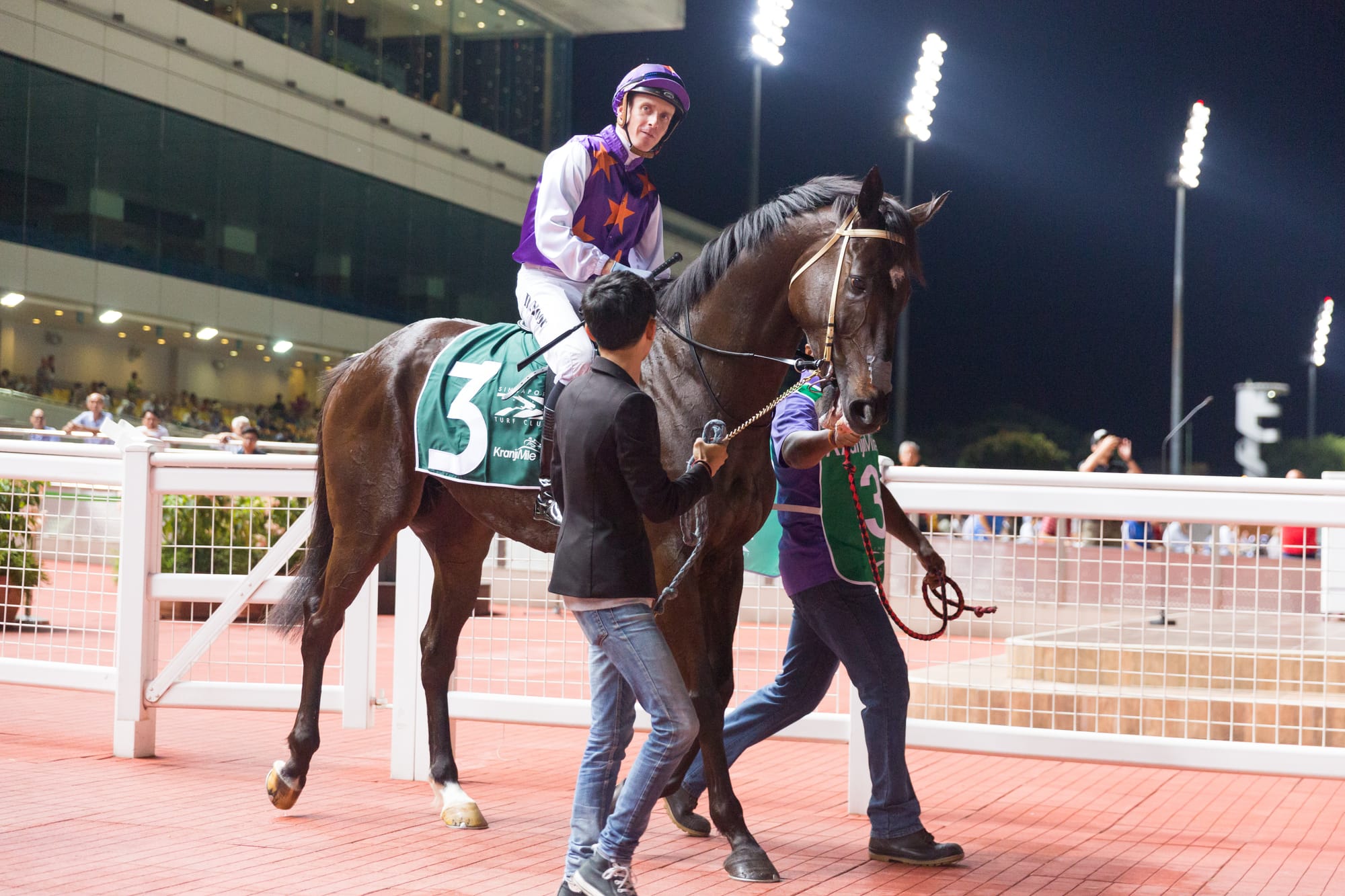
Moor rode in Singapore when jockeys were not quite rockstars – although Noel “King” Callow may disagree – but very easily identified, especially by taxi drivers.
“I’ll never forget getting a taxi from the airport and I hadn’t even ridden there,” he said. “He said ‘ah, jockey?’ I said ‘yep.’ He said ‘ah, Moor’.
“I couldn’t believe it but that’s what it was like back then. I’d say it’s probably dropped off a bit. Those older taxi drivers are dropping off and the next generation, like the next generation of Singaporeans, probably don’t know racing exists,” he said.
Moor said it was made ‘very clear’ to visiting jockeys that their behaviour off track, as well as on it, would be scrutinised.
He will ride these next few months with an increasingly heavy heart. “I always thought I’d ride out my career here, where it is simply more lucrative than at home,” he said.
“The grandstands, even now, were world-class. The dining, world-class. It really was (is) one of the great racetracks of the world” – Daniel Moor
Moor said he understood the pressure points that have led to the decision to end racing in Singapore.
“People change. This new generation, it’s all about social media and internet. There really doesn’t seem to be a gambling culture here anymore,” he said.
“Most of the owners are 50-plus and the generation under them is seemingly more prudent with their money. They see gambling as a risk, which of course it is.
“Will the government regret it (closing racing)? I don’t think so. They are very successful, Singapore is one of the wealthiest places in the world. They don’t tend to make bad decisions.
“If they made a mistake, maybe they could have made it “smaller” with less costs but, no, they won’t regret pulling the pin.”
“Will the government regret it (closing racing)? I don’t think so. They are very successful, Singapore is one of the wealthiest places in the world. They don’t tend to make bad decisions” – Daniel Moor
Moor has ridden the Singapore wave during its heyday and also as it crashes, just like Macau, Mauritius, Athens and ancient Champ de Mars.
“I keep on beating this drum. It’s not just myself, it’s others too. Racing is in worldwide decline whether we like it or not. It is losing popularity. There are lessons in places like Singapore and we have to take notice,” he said.
Related Articles

Straight Talk – The industry’s challenge to keep its people, steps forward in equine welfare and who gets their name on our best races?
This week on Straight Talk, Sam Doran joins Bren O’Brien to talk about industry recruitment and retention, the matter of who is getting Group 1 races named in their honour as well as a view on which first-season sires to look out for and much more.
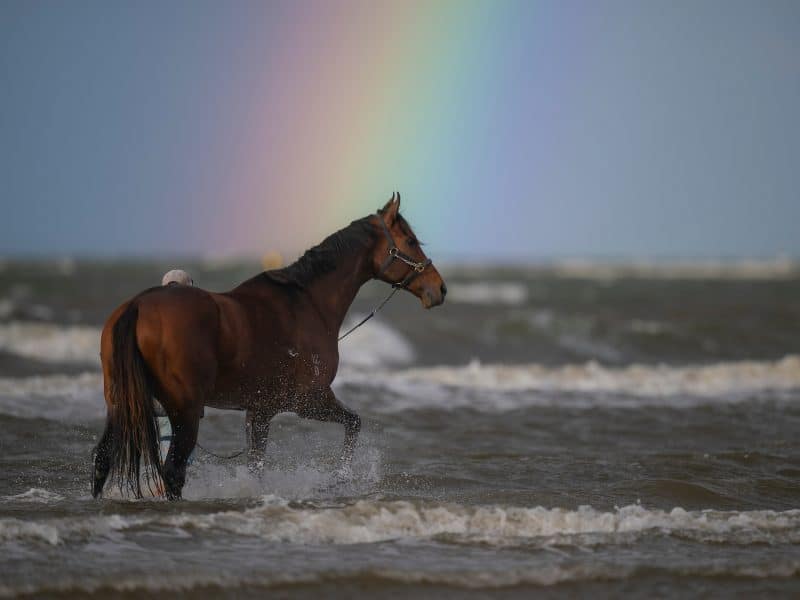
Gallery: Sir Delius chases a rainbow ahead of spring campaign
Queen Elizabeth Stakes winner Sir Delius makes his return to the racetrack in Saturday’s Makybe Diva Stakes. Photographer Bronwen Healy captured a visit to Altona Beach by the triple Group 1-winning star during the week.

🔒 🔒 The other side of betting – exchanging views on Betfair’s 20 years in Australia
From legal clashes to extraordinary in-play swings, Betfair’s 20-year Australian journey has been anything but straightforward, with the exchange surviving attempts to constrain its model and reshape wagering.
