
🔒 🔒 Tripadvisor’s warning puts racing’s tourism pitch under the microscope
Australian racing has been swept into Tripadvisor’s global animal welfare crackdown, with racetracks carrying warnings that could challenge the sport’s tourism ambitions and raise fresh questions about its public standing.
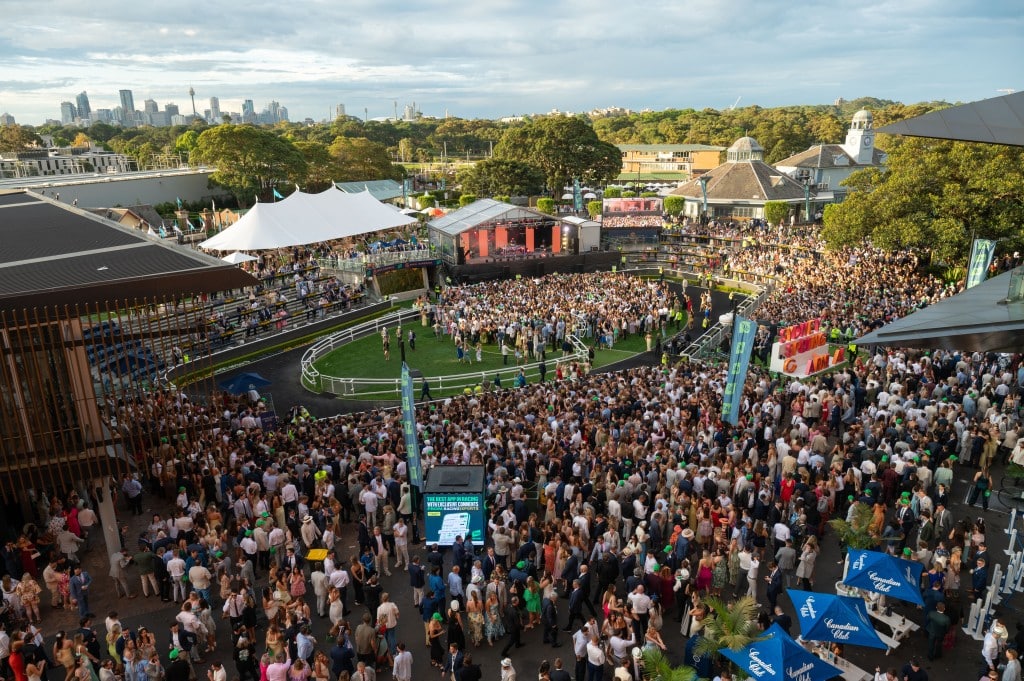
Travel advice company Tripadvisor is warning visitors that Australian racecourses do not meet its animal welfare standards for bookable experiences, placing a new reputational hurdle in front of the industry’s tourism push.
The classification applies across Australian racetracks in line with a worldwide policy from the company covering most forms of horse racing.
Visitors searching for Australian racecourses on Tripadvisor are told the businesses do not meet its Animal Welfare Policy, while experiences associated with the listings are ineligible for sale through Tripadvisor or its sister platform, Viator.
The change puts Australian racing into the same category as racecourses worldwide despite differences in national standards, regulatory systems and welfare practices.
Tripadvisor’s position is based on the activity rather than a finding that a particular racecourse is unsafe. Its rules exclude bookable experiences in which domesticated animals are considered to face heightened risk of injury or death for sport or entertainment.
Horse racing is specifically included, meaning the classification applies broadly across the industry rather than being triggered by an incident at an individual track.
That distinction matters because the warning will be seen by international visitors researching Australian racing and Australians deciding where to go and what to do.
The Australian Turf Club’s four tracks are among those affected. Chief executive Steve McMahon rejected the suggestion that the classification reflected the treatment of horses in the industry, arguing that the care provided by racing participants was being overlooked.
“Comments critical of horse welfare in the thoroughbred racing industry fundamentally misunderstand the care taken with the animals,” McMahon told The Straight.
“Race clubs, owners and trainers spend millions of dollars each week in ensuring horses receive the very best facilities, veterinary treatment and comfort.
“The health and welfare of racehorses are at the very heart of the industry’s number one priority.
“Trainers treat racehorses as their own. With this care also comes enormous economic activity and jobs for tens of thousands of people across Australia.
“Perhaps the people making these decisions should come and visit us, like their customers do, to see how well cared for the horses are.”
Tripadvisor has grown over more than 20 years from a review website into a global business spanning accommodation, restaurants and attractions, attracting more than 100 million visits a month. Viator has become a major marketplace for tours and experiences.
The company’s policy has progressively tightened, with welfare classifications introduced to give travellers greater transparency and the latest changes removing the ability to book experiences involving most forms of animal racing.
“Tripadvisor Group recognises that many tourism attractions feature live animals, both in the wild and in captivity,” the company says.
“We believe that every attraction has a fundamental responsibility to ensure the humane treatment of animals in its care.”
The move has produced a sharp reaction from sections of the overseas racing industry, with British Horseracing Authority director James Given describing the decision as surprising and troubling and arguing that it fails to reflect the safety and welfare standards in modern British racing.
“The health and welfare of racehorses are at the very heart of the industry’s number one priority.” – Steve McMahon, ATC chief executive
Horse Welfare Board chair Dame Minette Batters similarly criticised the classification as misleading, pointing to decades of investment, scientific research and independent oversight.
World Horse Welfare chief executive Roly Owers offered a more measured assessment, arguing that Tripadvisor was responding to changing public expectations and that animal injuries and fatalities remained the central concern for many people, even though risk could never be eliminated entirely.
Tripadvisor’s position also has support in Australia, with the RSPCA welcoming the decision to end ticket sales for animal racing and rodeo experiences on the platform.
For Australian racing, the implications extend beyond lost ticket sales through Tripadvisor.
The Melbourne Cup Carnival has been deliberately developed as a tourism product, with the Victoria Racing Club reporting that the 2025 event generated a $533 million gross economic benefit to Victoria and attracted 71,690 people who travelled to the state specifically for the carnival.
Visitors came from 37 countries, while 66 per cent of ticket sales for Melbourne Cup Day were made to interstate or international visitors.
The VRC has also moved further into the travel market, partnering with Sports Travel & Hospitality to establish a platform selling carnival tickets, hospitality, accommodation, dining and other experiences to domestic and overseas customers.
That strategy makes the Tripadvisor classification more significant because Flemington is marketed not only as a place to watch horses race but as part of a broader visitor experience built around one of Australia’s most recognisable sporting events.
Randwick occupies a similar position in Sydney, hosting major events including The Everest and The Championships and forming part of the ATC and Racing NSW’s strategy to attract people who aren’t traditional racegoers.
The industry’s response is likely to focus on demonstrating Australian racing’s existing standards, including veterinary oversight, safety measures and programs governing the care of horses before, during and after racing.
But the bigger question is what happens when an audience that knows little about those systems instead sees a simple warning attached to a racecourse it is considering visiting.
For racing, dismissing the classification as the view of a foreign travel company risks missing the broader shift in consumer expectations.
The more significant threat may be reputational rather than commercial, particularly if other travel platforms, tourism businesses or event partners adopt similar positions, or if prospective visitors begin to associate racing venues with an unacceptable level of animal risk.
Tripadvisor is not suggesting that Australian racecourses should close, nor has it removed their listings or reviews, but its warning changes how those venues are presented to people researching them.
That places Australian racing in another contest for public confidence.
As racing seeks to attract younger consumers and people with little connection to the sport, how the industry’s treatment of horses is perceived may increasingly influence whether they choose to engage with it.
Related Articles
🔒 🔒 The hunt is on – Racing Queensland launches global search for permanent CEO
Recruiter u&u has commenced its global search for a chief executive to implement Queensland racing’s reform program, with acting Racing Queensland CEO Lachlan Murray among the candidates.
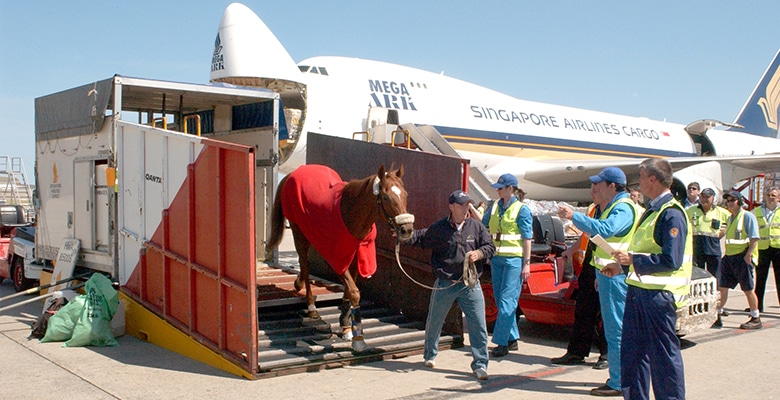
IRT forms global horse-transport group with Mersant, BBA and Manestream
The four operators will retain their brands and teams, while giving racing and sport-horse clients access to a wider international network.
Three New Zealand races given Group 1 reprieve after ratings review
The Asian Pattern Committee accepted NZTR’s case for preserving the classifications, keeping New Zealand’s full 18-race Group 1 programme intact for the coming season.
