
Digital dilemmas – Government grapples with gambling ad, sponsorship rules for online content
Australia’s gambling advertising shake-up is exposing regulatory blind spots across digital media, with podcast and streaming sponsorships emerging as unresolved legislative flashpoints.

The Australian government’s proposed overhaul of gambling advertising laws is raising fresh questions about how far the crackdown will extend into digital media, with podcasts, YouTube programs and other online content emerging as key grey areas ahead of legislation expected to be presented in May.
Prime Minister Anthony Albanese signalled the uncertainty during a press conference on Tuesday, when asked specifically about whether gambling sponsorships embedded in podcasts and online shows would fall within the scope of the reforms.
“All of those matters will be considered. But the framework we have is very clear. I think it’s a comprehensive response and will be a positive way forward,” he told reporters.
His remarks came after being pressed on whether the reforms would capture sponsorship arrangements beyond traditional broadcast media, including gambling-funded podcasts and YouTube shows that fall outside existing advertising definitions.
The government has yet to clarify whether content creators and platforms will face the same obligations as traditional broadcasters, or whether responsibility will fall primarily on gambling operators themselves.
Key questions include how regulators will define sponsored content, whether disclosure requirements will be tightened, and how cross-border digital services will be treated under Australian law.
That has created uncertainty around enforcement mechanisms, particularly given the global nature of platforms like YouTube and the decentralised structure of podcast distribution.
Industry observers say the ambiguity reflects a broader definitional challenge around what constitutes “digital advertising”, with online content sitting in a regulatory “grey zone” between media and marketing.
The issue has been brought into sharper focus by the growing prevalence of gambling sponsorships of Australia’s podcasting and streaming ecosystems, where hosts often promote betting platforms through live reads, branding or long-term partnerships.
Questions also remain about whether gambling companies will be permitted to produce their own content, such as podcasts or video series, which serve as marketing vehicles but may not be covered by traditional advertising bans.
The Prime Minister declined to provide further detail on these scenarios beyond the government’s existing announcement, leaving open how enforcement will apply across emerging platforms.
The uncertainty echoes broader gaps in the government’s move on the Murphy Report, which recommended sweeping reforms, including a full advertising ban and stronger harm minimisation measures.
At the National Press Club last week, Albanese confirmed that the government would table a response on the first day Parliament resumes.
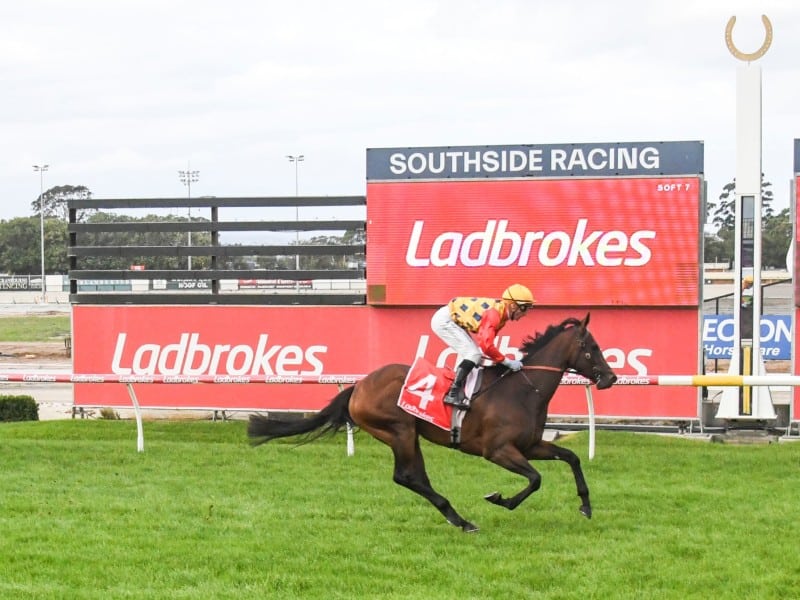
In announcing long-awaited reforms during his address, Albanese framed the rollout of reforms as necessary to provide “certainty” for stakeholders, including sporting codes and broadcasters, whose commercial models are closely tied to gambling sponsorship revenue.
“One of the things that people are looking for here is certainty,” Albanese said.
“Government can be informed by committees, but the government determines positions.
“And one of the things that sporting codes need … (and) TV channels that have broadcasting deals … all of that is tied up with certainty going forward.
“What we will do is present a final position that we have. It’s informed as well by the key elements going forward. Some of it is about the Murphy Report, but the Murphy Report isn’t where it started and ended.”
The government has positioned its reforms as a balance between harm reduction and commercial stability, resisting calls for a total advertising ban despite Australia’s status as the world’s highest per capita gambling market.
Albanese defended the approach by arguing that “more ads can’t be played” under the new limits, saying commercials would be reduced by more than 50 per cent.
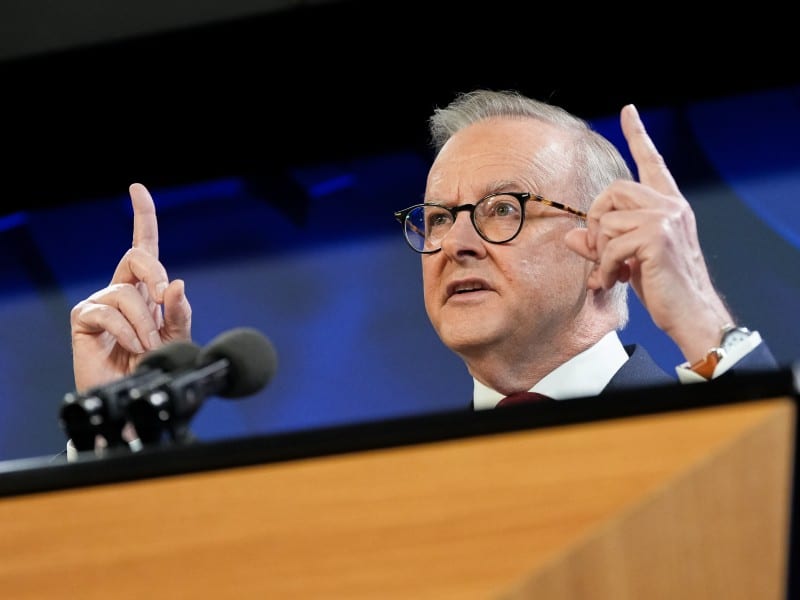
He acknowledged that broader issues such as poker machine losses and problem gambling obligations, fall outside the immediate scope of the advertising measures.
“We’re considering a duty of care when it comes to online that’s much broader than just this,” he said, signalling further policy development beyond the current tranche.
“We think we have got the balance right. I think that going forward, this is a significant reform.
“It’s the most – to be clear – the most significant reform on gambling that has ever been implemented, following the previous most significant reform that gambling had ever had, which was what we did in our first term.”
For digital platforms, however, the lack of detail is already prompting debate over whether the legislation will meaningfully curb exposure or simply shift gambling promotion into less regulated channels.
Related Articles
A turning point for gambling, sport and media in Australia
The federal government’s gambling ad crackdown is set to reshape sport, media and wagering in Australia, hitting broadcast rights and sponsorships in a structural reset. Warwick Barr analyses the changes.
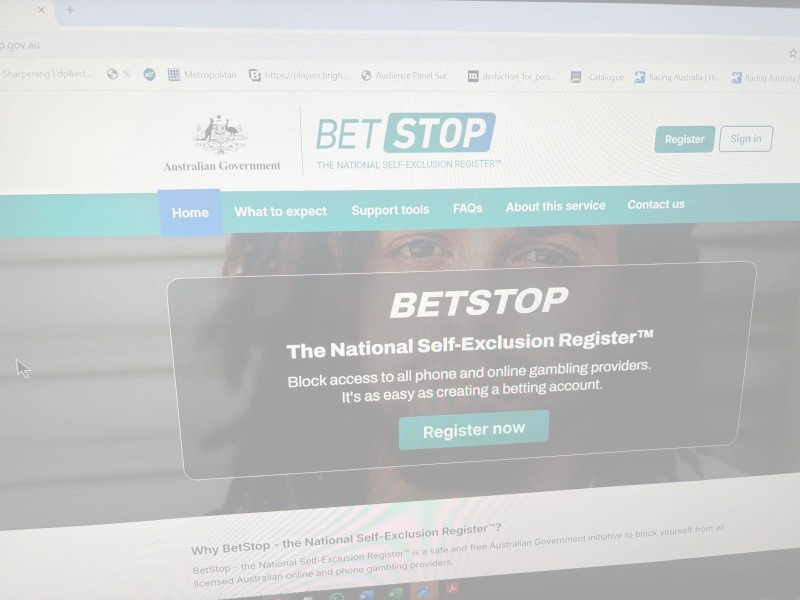
Bookie warned over BetStop breach as self-exclusion numbers grow
With active self-exclusion numbers nearing 40,000 in Australia, Chasebet has become the latest bookmaker in the crosshairs of the Australian Communications and Media Authority over failure to promote BetStop.
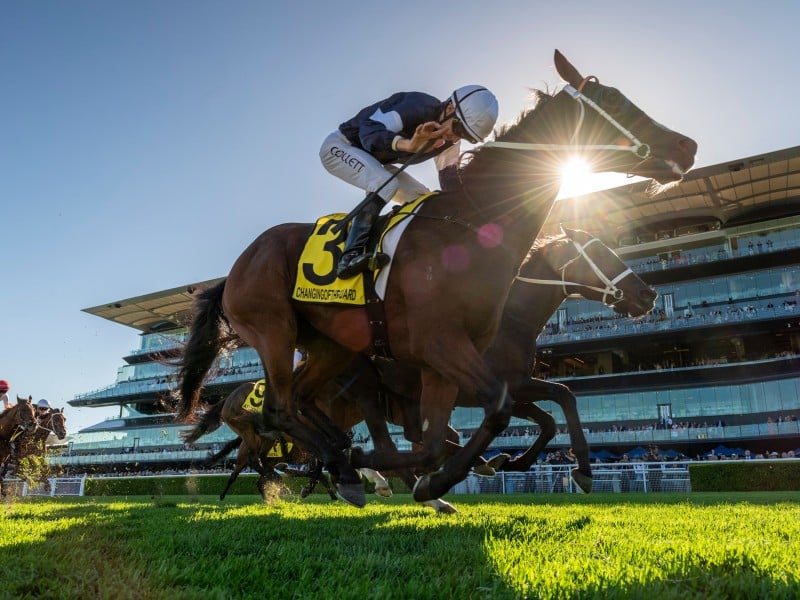
Two-speed market – Big bookies feast on multi upsets as pro punters find an edge
In stark contrast to the spring, the autumn carnivals in Melbourne and Sydney have provided bookmaker-friendly results, with a wave of profitable Group 1 outcomes and multi-busting upsets at a time when some smaller operators are feeling the squeeze from a small band of professional punters.