
Modern methods and old-school judgement shape Single Choice’s Derby campaign
South Australian Derby contender Single Choice is pushing trainer Matt Cumani to explore deeper into performance and potential with the use of racing-oriented software.
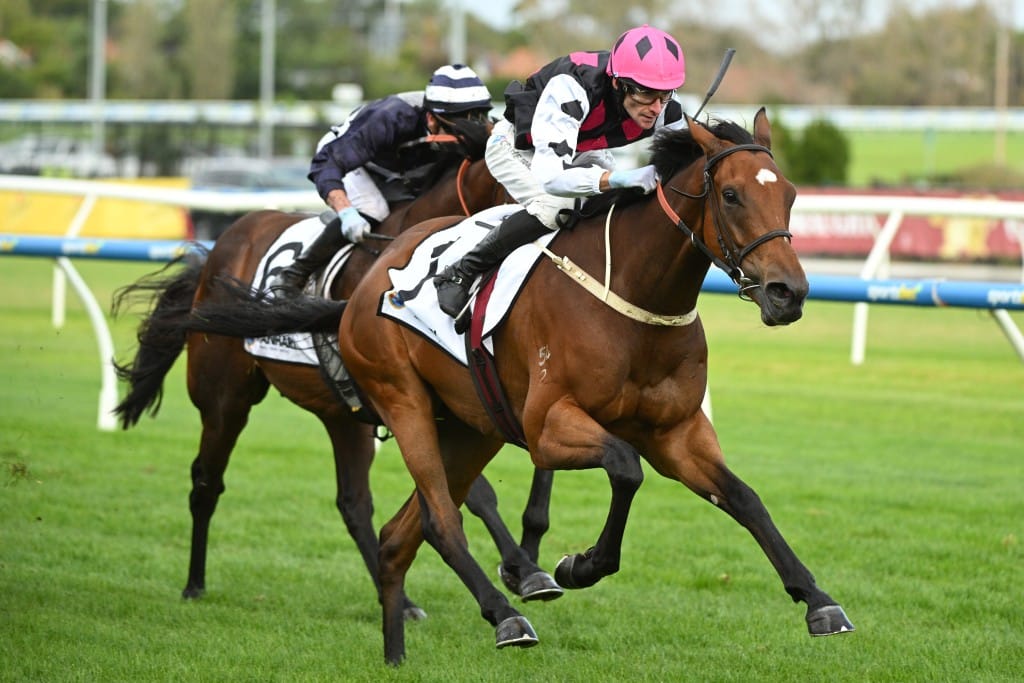
As someone who is embracing racing’s data revolution, Matt Cumani concedes instinct will be just as important as the analytics in his bid for a South Australian Derby victory.
In Single Choice, Cumani has a genuine chance of training his first Group 1 winner – a decade after stepping out on his own and putting the lessons he learned from his famous father, Luca, and numerous other internationally successful trainers, into practice.
The three-year-old has defied at least one side of his pedigree in an autumn campaign that has been both spaced and profitable.
A Group 2 win and a Listed victory that confirmed a Derby entry have resulted from careful placement, thanks to information that has complemented Cumani’s horsemanship.
Since the spring, Cumani has relied on the numbers provided by David Pfundt, a software developer and the creator of the thoroughbred racing platform Form King.
Alongside a stopwatch and a pair of binoculars, Pfundt’s ratings and assessments have become an invaluable part of Cumani’s toolkit as a trainer.
In the same way Ciaron Maher has woven sports science methods into his conditioning regime and other trainers have become reliant on genetic testing to establish the bona fides of a racehorse over an extended distance, Cumani has become a data adopter.
It doesn’t mean his own eye for a horse is diminished, or all of a sudden, he has found a magical solution to training. The data is an aid – not the answer.
But in a game where margins can be narrow and the variables are immense, any edge counts.
“It’s not a silver bullet … but it can help confirm things you’re seeing or help you interrogate other suspicions,” Cumani told The Straight.
“It can only shine a torch on what’s happened in the past. But you need to be a bit careful interpreting too much from the data available for a relatively lightly raced horse.
“With Single Choice, I think we’re still having to assume a fair bit. There are the things you can see in the race but when you then confirm them with the data, it all led me to think that he wants further.”
In winning over 2400m at his most recent appearance at Caulfield, Single Choice comes through an accepted Derby lead-up.
But it was a race decided more on jockey Jamie Mott’s tactical prowess than any conclusive proof that Single Choice is an anomaly as an out-and-out stayer because his sire excelled over short courses.
Single Choice is by the Not A Single Doubt stallion Anders. In an 11-start career, Anders’ four wins all came over 1100m and retired to stud with Maher acknowledging he was “the fastest racehorse I have trained”.
A stamina influence comes through from Single Choice’s maternal side with his dam Sebring Sally, a Listed winner over 2100m in Tasmania who ran fourth in the 2016 Queensland Oaks.
Single Choice attracted Cumani’s attention as a breeze-up horse, selling for $80,000 at the 2024 NZB Ready2Run Sale as a different version to most of the Anders stock the trainer had come across.
“I was expecting to see a big, strong, typical sort of Anders, a bit like the Anders we bought this year at Melbourne Premier Yearling Sale.
“He was a bit lighter framed, but he had a lovely shoulder angle, a very open shoulder, which means he can cover the ground very well.
“But I would never say that we knew (he would be a potential Classic horse) and I’d never say that I knew he was going to be good, of course not.”

The Ballarat trainer is hoping that Single Choice’s numbers that have piqued his interest since a blossoming spring campaign align and elevate the gelding to another level at Morphettville on Saturday.
“If you can see it laid out in front of you with facts and figures, I think that’s always useful and a smart way to approach a post-race analysis,” Cumani said.
“I think we all, to different degrees, can read races,” Cumani said.
“I’d like to think I can relatively quickly assess how they were run. But as always, I think it’s wrong-headed to assume you’re always right.
“The fact he hasn’t run in a strongly run 2400 metre race means that we don’t have that information. It’s a bit difficult to unpick.”
For the record, Pfundt, whose system is built on sectional data and performance profiling, admits to caution about Single Choice being at his best if the Derby is turned into a true test of staying power.
“With Single Choice, the sectionals will at least tell you what he’s done so far but there’s still no hard evidence that he stays 2500 metres on a strong tempo. We’ve not seen that,” he says.
“Data tells you what’s happened so far.
“But there are training operations that defy the data because they’re preparing a horse to do something that they haven’t let it do yet.”
Cumani is hoping to become one of those trainers, but he knows it takes more than an algorithm to win a Derby.
“Ultimately, it comes down to whether the horse is good enough,” Cumani said.
Related Articles

Twilight expansion – RV reshapes 2026/27 race dates with wagering-driven scheduling shift
Racing Victoria’s 2026/27 calendar will feature 528 meetings, major venue relocations due to infrastructure works and scheduling changes aimed at boosting wagering.
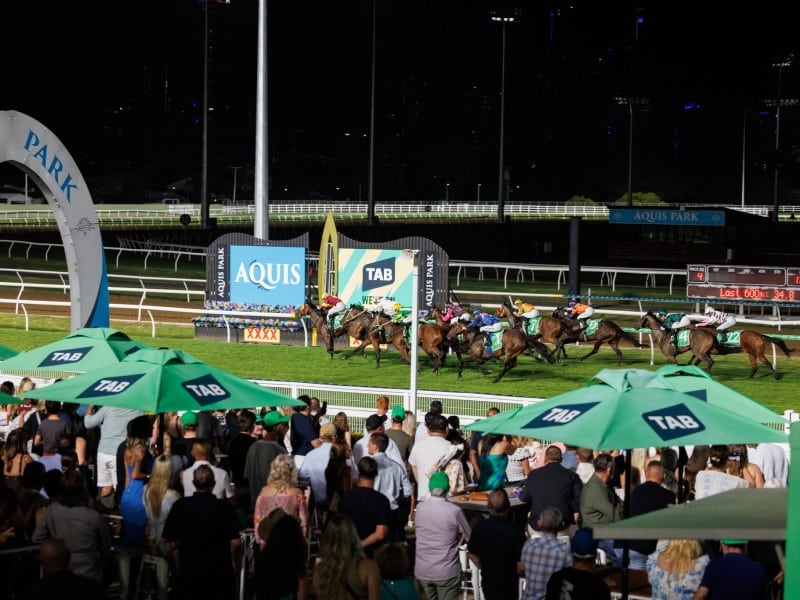
RQ steps up training push with new Gold Coast education hub
A new racing education and training facility at the Gold Coast Turf Club is set to be the centrepiece of Racing Queensland’s strategy to retain and recruit the next generation of jockeys and stable staff.
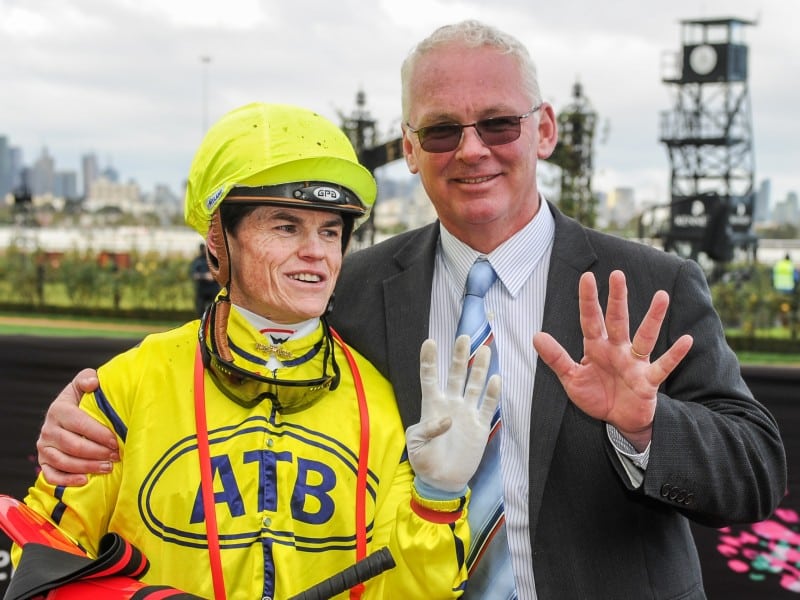
The last Dance – visionary syndicator off to see the world through a different lens
After decades chasing Melbourne Cup glory, Darren Dance has exited the syndication game, leaving a pioneering legacy that reshaped Australia’s staying ranks through international scouting and ambition.