
NZ infrastructure report delayed amid a strategic rethink
As discussions swirl as to the future direction of racing in New Zealand, the country’s two racing codes have announced a delay in the delivery of a key infrastructure project.
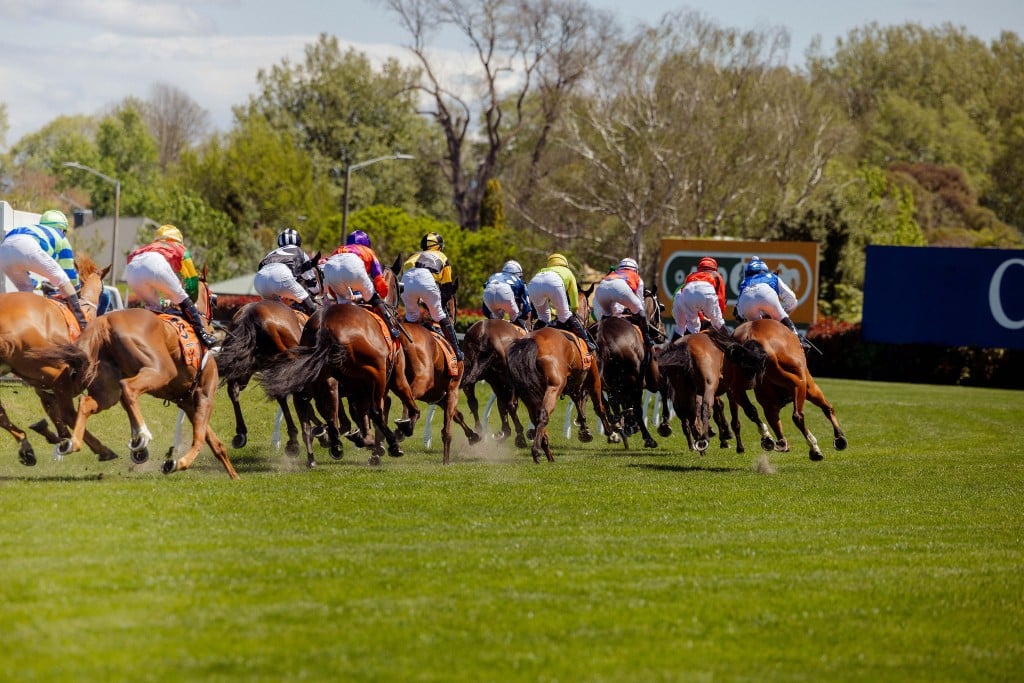
The release of the final version of Project Stamina, the key infrastructure master‑planning project for New Zealand’s two racing codes, has been delayed.
Less than 12 months after it was launched and hailed as a crucial step to a move from “reactive maintenance to long-term, future-focused investment”, the finalisation of the project, coordinated between New Zealand Thoroughbred Racing and Harness Racing New Zealand (HRNZ) with the support of TAB New Zealand (TAB NZ), has been pushed back by at least three months.
In a joint statement released on Thursday, it was revealed that “additional time is being taken” due to a number of wider strategic discussions surrounding the long-term sustainability of the New Zealand industry.
The project, which was originally scheduled for draft publication in December 2025, is expected to be finalised and communicated to the industry by the end of July.
It comes after the boards of the two racing code bodies received a draft report from consultants RCP.
The consultants completed an industry engagement phase earlier this year, involving approximately 50 meetings with racing clubs, industry organisations, and the Racing Integrity Board across both the thoroughbred and harness codes.
In what has become an increasingly febrile relationship with participants, stakeholders were given the opportunity to provide feedback through online submissions, which RCP said had been used to inform the development of infrastructure options.
Representatives of the racing codes boards say they are working through the draft recommendations and next stages of long-term infrastructure planning.
NZTR chief executive Matt Ballesty said the focus was on taking a coordinated and considered approach to long-term planning.
“Project Stamina is about building a sustainable future for racing infrastructure across New Zealand. Given the wider strategic work currently underway across the industry, it is important we take the time to ensure this work is properly aligned and informed by those discussions,” he said.
HRNZ Chair Grant Jarrold said Project Stamina remained a key initiative in shaping how racing infrastructure supports the future needs of both codes.
“This is significant work that will help shape the future footprint of racing in New Zealand. It is important we take the time to get this right and ensure the industry has a clear and practical long-term plan for infrastructure and venue utilisation,” Jarrold said.
The statement said both organisations are committed to delivering a unified, long-term infrastructure masterplan that supports a sustainable, resilient, and financially strong future for racing in New Zealand.
Infrastructure has proven a political flashpoint for New Zealand’s racing bodies since Entain’s funding agreement began in June 2023.
With many facilities and tracks neglected under previous funding models, the competition for upgrades among clubs has been fierce, while a series of troubled projects has raised concerns about how the money is being allocated and spent.
The latest development comes after a leaked report in March heightened tensions between NZTR and a committee of industry powerbrokers tasked with advising TAB New Zealand.
The report, produced by the TAB New Zealand Racing Advisory Committee and published in the country’s National Business Review, claimed that the thoroughbred industry was facing a $50 million annual deficit and cash reserves could be exhausted by the 2027/28 racing season.
The advisory committee-commissioned report also recommended that the governance of thoroughbred and harness racing be brought under one umbrella, as well as a consolidation of property assets, with race clubs transferring their assets into a trust in exchange for equity.
Author

Related Articles
A Kiwi crisis – Sir Peter Vela report calls for sweeping overhaul of NZ racing
Confronted by massive, ongoing structural deficits, New Zealand racing faces its “most critical turning point” as a powerful advisory committee pushes five key recommendations to reshape the future of thoroughbred and harness racing.
Berry charged over evidence provided in O’Shea inquiry
Racing NSW confirmed on Wednesday that Tommy Berry had been charged over evidence he gave during an inquiry into his communications with trainer John O’Shea.
$200 million Racing Future Fund locked in through Queensland budget
The $200 million set aside for a future fund to facilitate a major refresh of Queensland racing has been confirmed in Tuesday’s Queensland state budget.
