
‘Patience and planning’ – The challenge that keeps Ciaron Maher coming back to the jumps of Warrnambool
The Warrnambool carnival is a special event for so many in the racing world.
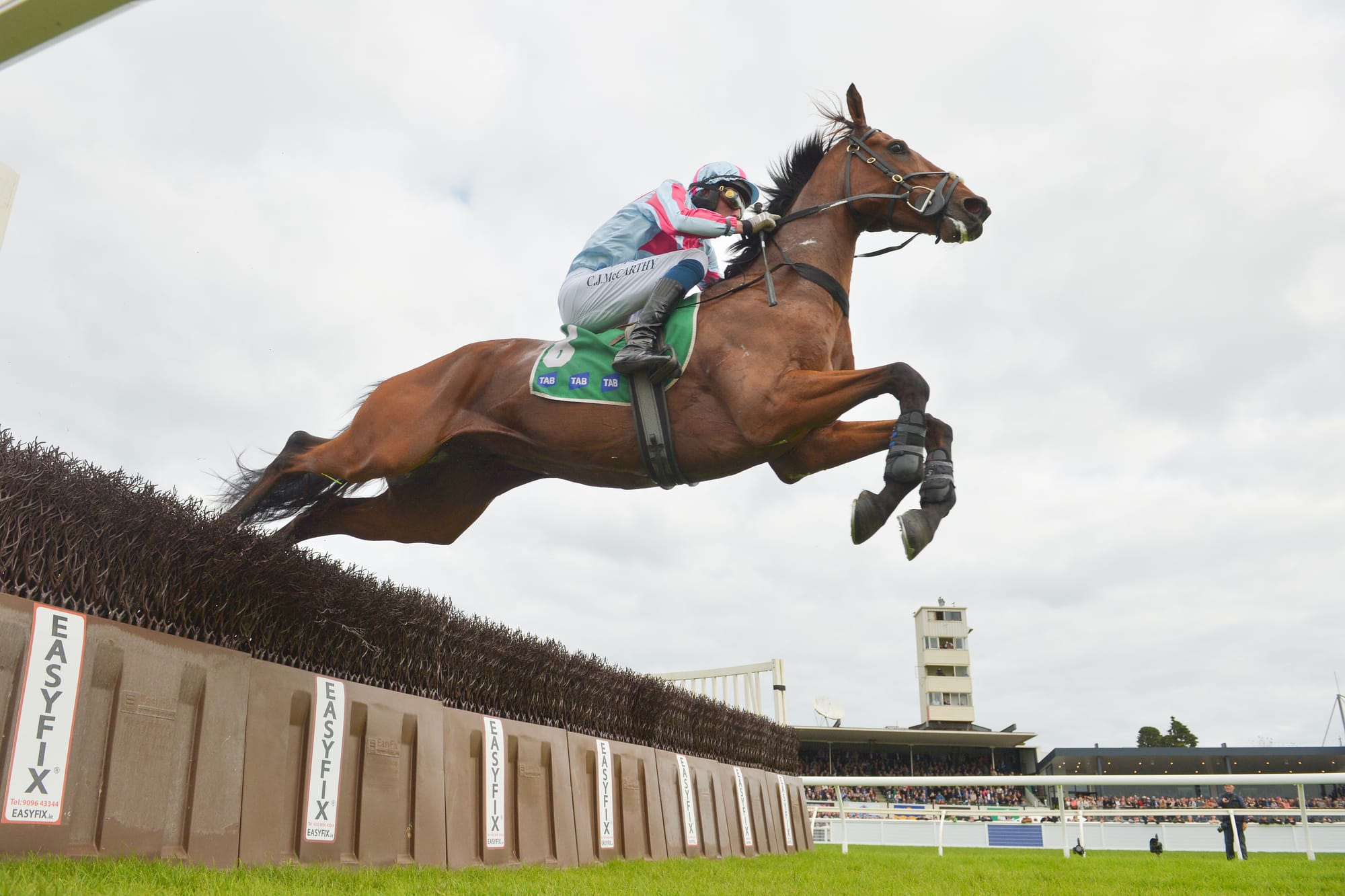
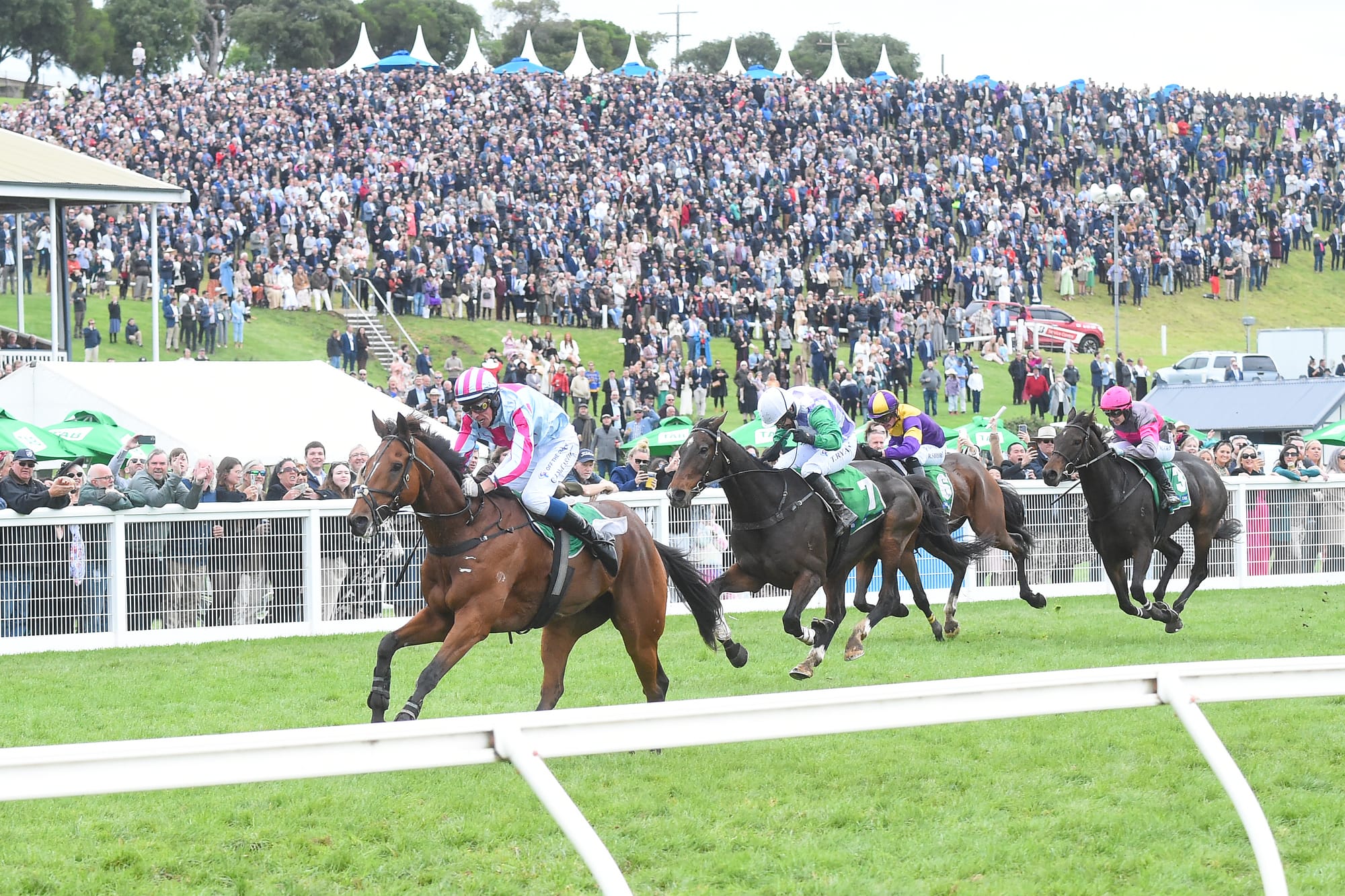
It’s a cavalcade of colour and movement, joy and heartbreak and puts the town on Victoria’s southwest coast in the national racing spotlight, attracting visitors from all over the country and providing a significant economic boost to the region’s pubs, hotels, clubs and restaurants.
But at the heart of the three-day party – often dubbed Schoolies Week for the over 40s – are the major jumps racing events.
To call them time-honoured barely does justice to races like the Brierly Steeplechase and the marathon Grand Annual, the latter contested over 5500 metres and 33 fences and first run in 1872.
The Annual is the nearest thing Australia has to the greatest event in jumps racing anywhere in the world, the Aintree Grand National in England. Australia’s longest race, staged through suburban paddocks, boasts more obstacles than any steeplechase in the world.
For Ciaron Maher, a trainer of the highest order with 43 Group 1s to his name, Warrnambool holds a special place.
Partly because he is a local: Maher was born ”just down the road in Winslow, a little town close by” as he puts it. Winslow, barely a speed limit on the road north of Warrnambool, has a population of 436 people, none more famous than Maher.
But the three-day Warrnambool carnival also means so much to Maher because it puts steeplechase and hurdle racing in the spotlight and allows the jumps racing community to show what an essential part of racing’s rich history they have been, and how they can continue to play a small but significant part as the sport continues into the 21st century.
And, he reckons, no other race on the Australian calendar gives a trainer as much of a kick as winning the centrepiece of the meeting, the Grand Annual. He should know, having won the signature event seven times.
Maher and his brother Declan, an assistant trainer who has played a major role in preparing his plethora of big jumping race winners, have won pretty much everything they can on the flat through the exploits of horses like Gold Trip in the Melbourne Cup, Sir Dragonet in the Cox Plate and a host of other successes, most with former training partner David Eustace.
But ask Maher to name the race he gets the most pleasure out of winning, and he does not hesitate.
”The Grand Annual. You get more out of it than any other race on the calendar,” he says.
That will probably surprise most people, but not anyone who knows Maher well. It is a nod to his past, the reason why he got into racing in the first place, initially as a jumps rider and then as a trainer.
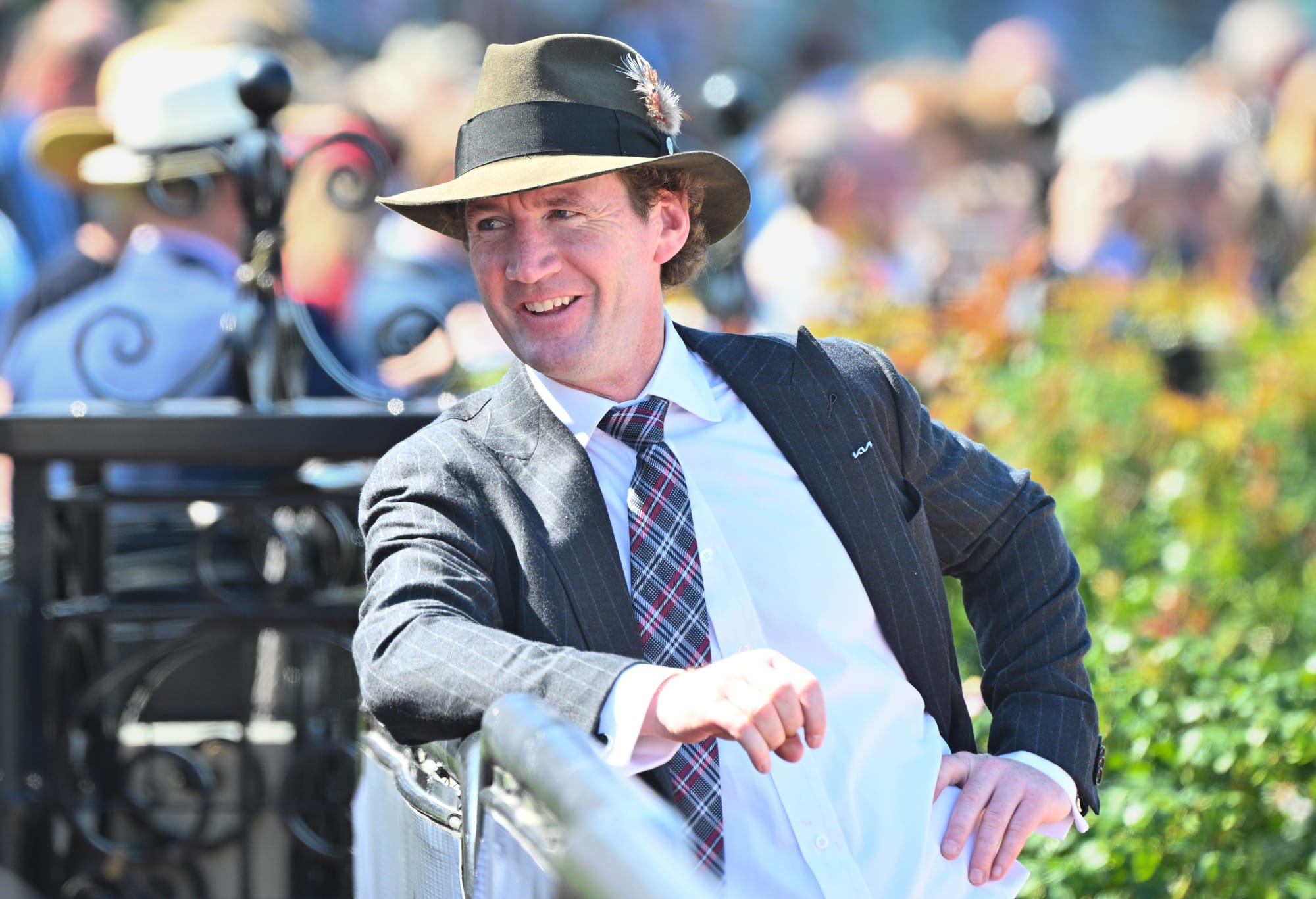
It is why, even when steamrolling his way to another flat racing title, he will be at Warrnambool and continues to have jumpers in his stable. Stern Idol and Rockstar Ronnie will be the headline acts for the Maher yard, and the flat performers will be the support players.
”I really enjoy the industry … the Grand Annual at Warrnambool, I still think it’s probably the most thrilling race.”
“Well, Pride of Jenni was pretty thrilling the other day”, he says with a laugh as he recalls the mare’s devasting performance in winning the $5 million Queen Elizabeth Stakes. “But I love the preparation involved in getting a horse ready for it, the seasoning, the prep that you need to put in.
“For a race that takes just about seven-and-a-half minutes, it needs the horse to be right, the jockey needs to be smooth, they have to work together to get into a nice rhythm.
”I am sure you would get the same response from anyone that’s done it. Symon Wilde and his crew would probably feel the same.
”It would be as good a race winner as you train. It might not carry the purse or the prestige of some of the bigger flat races, but to train a horse for that, you would get as big or bigger a thrill out of training a Grand Annual winner, if you take away the money and hype, as a pure training exercise. You get more out of that than any other race on the calendar.”
Maher’s seven Grand Annuals include last year’s winner Rockstar Ronnie and while many date his emergence to the shock win of 100-1 shot Tears I Cry in the Group 1 Emirates Stakes during the Flemington Cup carnival in 2007, the man himself says it was jumps racing that really got him into the industry years before that.
”Warrnambool was always part of growing up. As a rider I was placed in a Brierly and I think I parted company in the Annual,” he said.
”I rode from 17 until I was in my early twenties, for about five years. I was a couple of years at Warrnambool, I spent a couple of years injured as a result of falls in other races and it was increasing weight that stopped me.”
That weight battle hit a crucial point, like it does for many young Australians, on a first big overseas trip.
”I rode on the flat for a year and then went to the jumps just so that I could keep riding. I went to England and Ireland when I was 19 on the Australia v Ireland jump jockeys challenge series that they used to run. I got on the plane at about 60.5 kilos and I got off about 73 or 74,” he said.
”I knew then that I was only going to have a limited time as a jumps rider so I just used the time to learn as much as I could. I finished my apprenticeship and then worked for all the best trainers that I could with a view to start training on my own.
”As an apprentice I was with Noel Arnold in Warrnambool. I was four years with the Hayes stable, two years in Adelaide, two in Melbourne, and (when) I finished my apprenticeship, I rode work for Robert Smerdon, Ern Ewart, Bart Cummings, then Jim Houlahan.
”I then travelled, went back to Ireland, had a couple of rides over there, and worked for Jim Dreaper (son of Tom, trainer of the almost mythical jumper Arkle). I met a lot of the boys over there, went with the Ward Union Hunt Club. I used to do a bit of hunting.
”After that I went and worked in Dubai and went back home and started training.”
His first winner as a trainer was over obstacles, as he fondly remembers, in March 2005.
”Spectacular Storm was my first horse, the old man (John) and myself bought him and his second start was a hurdle race at Terang which he won. He was my first runner in town after that, he won by ten lengths. He was a good little horse to kick off with,” he said.
”And then the second horse I trained was Al Garhood. He was phenomenal. I think he was second in the Brierly and won two others and was second in an Annual and won two and ran in another one.”
“For a race that takes just about seven-and-a-half minutes, it needs the horse to be right, the jockey needs to be smooth, they have to work together to get into a nice rhythm” – Ciaron Maher on what it takes to win a Grand Annual
Al Garhood, a winner of 13 races and over $500,000 in prize money, not surprisingly, occupies a special place in his heart.
”People at the Warrnambool carnival, the locals would say to me ‘gee, you’ve had a great carnival,’ but I might have had just one winner, and it would have been Al Garhood,” he recalls.
”Those horses were for me an advertisement, they helped get me going. Four years in a row he was successful in some way shape or form, and you wouldn’t really know how much that does for you.”
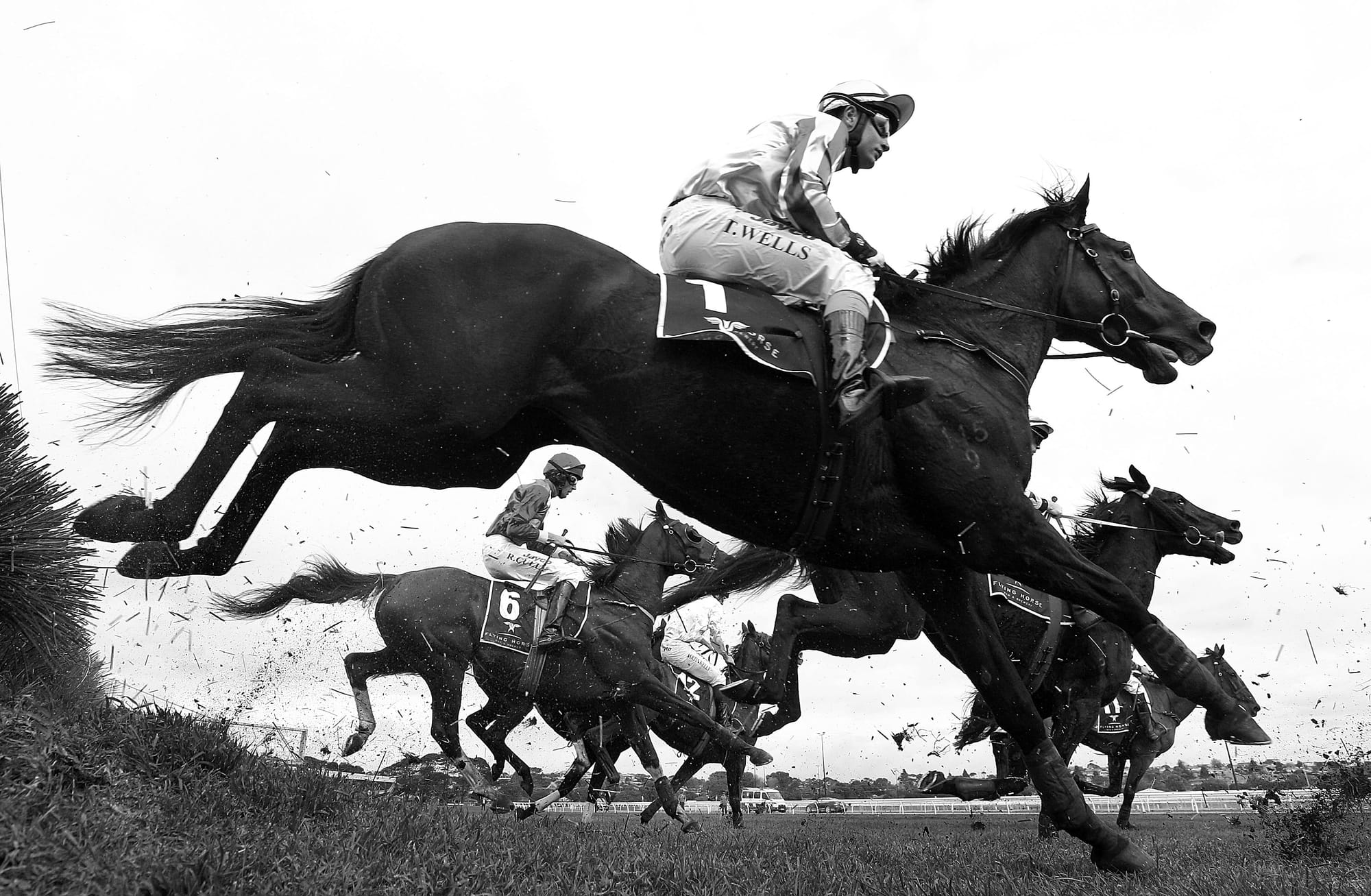
Despite the adverse publicity that jumps racing sometimes attracts from the anti-racing brigade, Maher has never been tempted to forget about it and just concentrate on the flat.
Nor has anyone ever dared suggest to him that it might somehow ”damage his brand” at a time when racing’s social licence is constantly a matter of debate.
”Nobody has told me not to. I think they know what sort of response they would get,” he says, a smile in his voice.
”Jumps racing was the way that I could prolong my jockey career and I really loved my time doing that and it put me in good stead to start training. The demonstrators are protesting against racing in general. What form it takes is almost unimportant, whether its jumps or the Melbourne Cup. I don’t think it has anything at all or bearing at all (on how I feel about it)
”Jumpers teach you a lot. Anyone can really get a horse fit, but a jumper, there are no shortcuts, you have to put the ground work in. It teaches you patience and planning. I just really enjoy them.
”Ligament injuries are more fatigue injuries and they are more prone to them than most other horses because of the nature of the work, so it teaches you to keep them sound and fit and able to sustain their careers.”
Still, like all those in this branch of the sport, he is aware that constant improvement in safety is essential. He believes that changes in recent years have really helped.
“I think the industry definitely needed a shakeup. They had made some poor choices, as with those yellow jumps and jockeys needed to be educated about what to do in certain situations and fined if they didn’t,” he says..
“I think we went from some of the worst statistics in the world to some of the best, so that’s helped with the image of jumps.”
He is by far the highest-profile trainer in this form of racing, and while he enjoys his success, he would welcome competition from other leading stables.
”I think so. Obviously the more competition the better … Gai (Waterhouse) and Adrian (Bott) are certainly having a healthy interest in it and that only helps the racing and to raise its profile,’ he says.’
Michael Lynch is a sports writer based in Adelaide and Melbourne.
Related Articles

Edwards to exit – RWWA chief set to depart as industry awaits review
As the Western Australian racing industry awaits the outcome of a key independent review, Racing and Wagering Western Australia chief executive Ian Edwards has announced he will step away from the role in November.
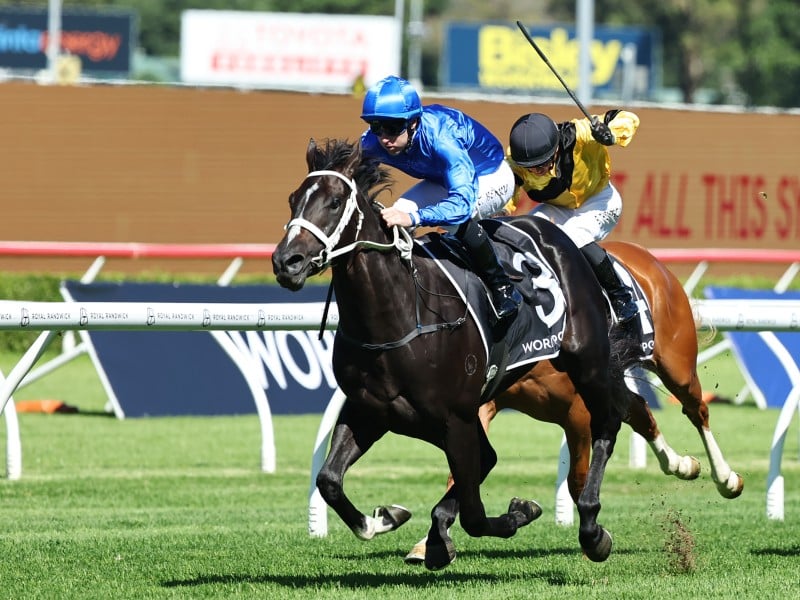
Godolphin waiting for next up-and-coming horses to emerge
In the first season since Godolphin ended its private training model, the global giant’s three-year-olds won nine individual Australian Group 1 races. The pressure is now on the next classic crop, but managing director Andy Makiv remains cautiously optimistic in his assessment of their prospects.
Racecourse Crown land control prompts more questions for state government
Racing NSW’s expanding real estate footprint across racecourses and other thoroughbred properties is facing renewed scrutiny, with more questions emerging over whether its regulatory authority sits comfortably alongside control of key industry assets.
