
🔒 🔒 Tasracing puts race field fees on the table in bid to lift wagering turnover
Tasracing will offer wagering operators a three-month race field fee rebate tied to growth in Tasmanian thoroughbred turnover during the peak summer carnival period, as the racing body looks to reverse declining wagering revenues.
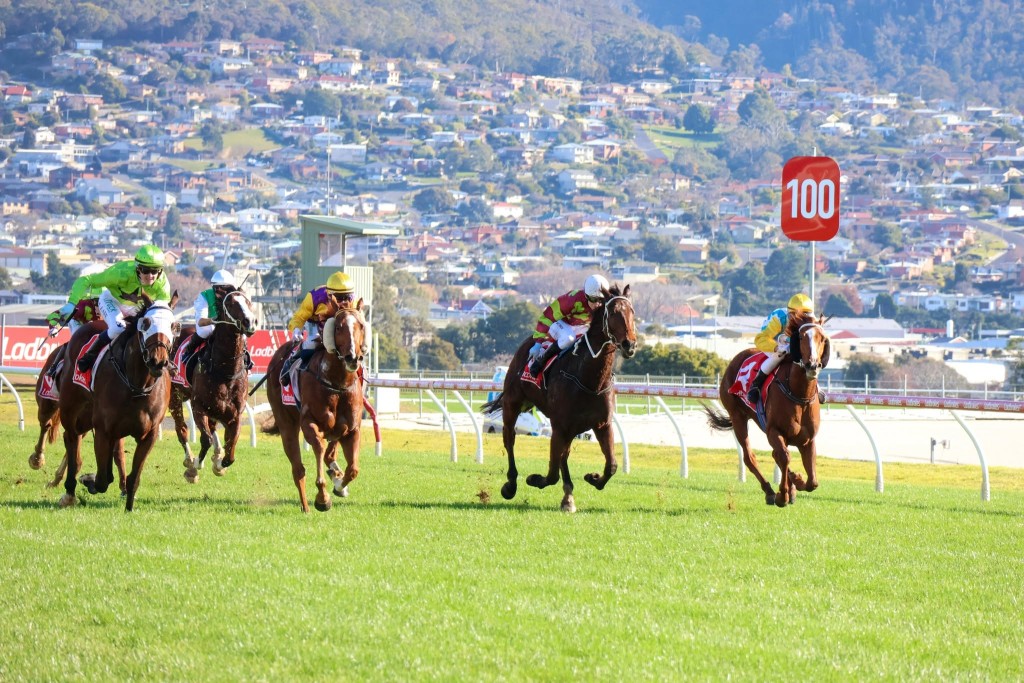
Tasracing has launched a new initiative to increase turnover on the state’s thoroughbred racing product, offering wagering companies a three-month trial with a race field fee rebate tied to how much each operator grows its Tasmanian turnover compared with the same period in 2026.
Wagering operators have been invited to trial the new fee scheme during the peak Tasmanian racing period from January 1 to March 31, 2027.
The trial takes place during the peak racing season on the island, including the Devonport Cup on January 6, the Hobart Cup on February 7 and the Launceston Cup on February 24.
The racing body hopes the trial will incentivise wagering companies to prioritise Tasmanian thoroughbred product during the peak season, including through generosities and promotions.
The trial is similar to an approach already used by Racing Queensland, whose 2025/26 annual report lists wagering performance targets among the criteria for race field fee rebates or bonuses.
Under the Tasmanian arrangement, each participating operator is measured against its actual turnover from January 1 to March 31, 2026. Tasracing subtracts that baseline from trial turnover and works out what share of trial turnover the increase represents, then applies a 50 per cent discount to the same share of the operator’s calculated fee. The rebate is paid after the March return is lodged.
Tasracing’s trial methodology gives an example of an operator lifting turnover from $1 million to $1.5 million.
One-third of its trial turnover sits above the baseline, so the 50 per cent discount applies to one-third of the $45,000 fee. The rebate is $7500, leaving $37,500 payable, a 16.7 per cent reduction.
Operators whose turnover is flat or falls receive no rebate. The largest percentage rebates go to operators with the largest percentage increase over their own baseline, and the largest dollar rebates go to those that combine growth with a big fee.
Under the standard conditions, operators with combined net turnover across all three racing codes of $83,333 or less in a payment period pay no fee.
Above that threshold, the base rates are calculated separately for each racing code: totes pay 2 per cent of net turnover, exchanges pay 1 per cent, and fixed-odds operators pay 2 per cent of net turnover or 20 per cent of net revenue, whichever is greater.
For January and February thoroughbred races, totes pay an extra 0.5 per cent of net turnover, and the revenue-based rate for fixed odds rises from 20 to 25 per cent of net revenue. The trial therefore covers both months when those higher rates apply.
Race field revenue fell 4.9 per cent to $21.78 million in 2025/26 as Tasracing recorded a $1.35 million loss.
Annual wagering turnover was $691 million against a $728 million target.
The state funding deed that underpins the industry expires in June 2029, and the replacement is not expected to be formalised before the 2027 budget, although Racing Minister Roger Jaensch said the government was aiming to give the industry a heads of agreement before then.
Author

Related Articles
🔒 🔒 Block the payouts, not just the bets – Sweney calls for stronger national approach on offshore gambling
Federal reforms targeting illegal offshore bookmakers will be less effective unless authorities also stop winnings flowing back to Australian punters, according to Racing NSW general counsel Pete Sweney.
Harness Racing’s $781m contribution: How the code’s financial model has transformed
A new national economic study shows Australian harness racing generated more than $781 million in racing and wagering expenditure in 2024/25, highlighting the industry’s growing reliance on corporate bookmakers, race fields fees and point-of-consumption taxes as fixed-odds betting continues to eclipse the traditional tote.

🔒 🔒 BetMakers chair sets out case for Tabcorp takeover before key vote
BetMakers executive chair Matt Davey told shareholders at the annual general meeting that the board backed Tabcorp’s $267 million takeover offer after weighing it against the time, capital and risk of growing the wagering technology company independently.
