
🔒 🔒 WA’s $1 million racing review still months from completion
More than $1 million has been allocated to the WA government’s review of racing, but its findings remain months away as the panel continues examining the industry’s finances and governance.
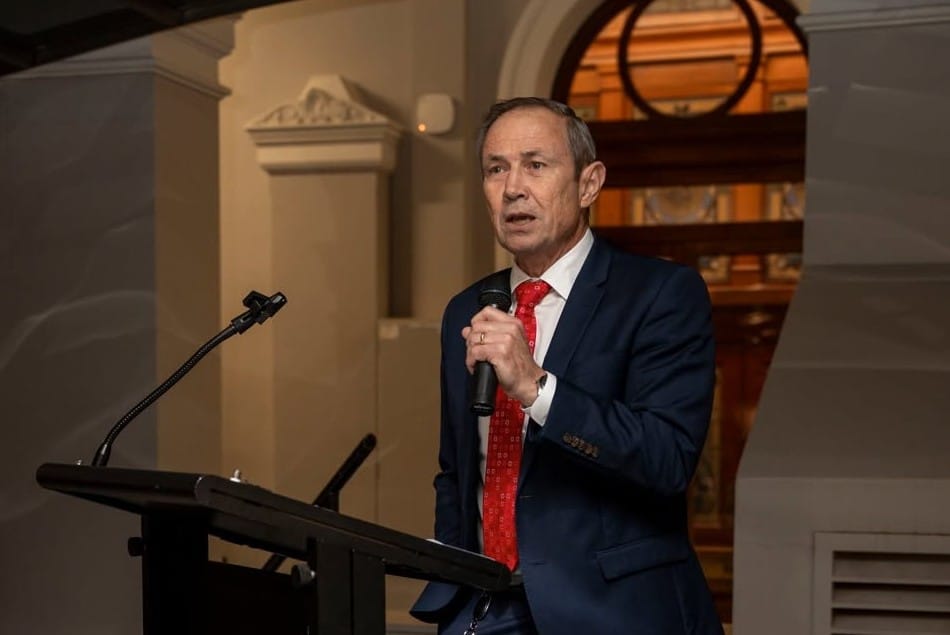
A $1.03 million bill for the WA government’s review of racing’s financial future and governance has been revealed, with the three-person panel not due to complete its work until year’s end.
The allocation, contained in the 2026/27 State Budget, covers services for the panel examining the finances and administration of Racing and Wagering Western Australia (RWWA).
The work is being conducted by former minister David Templeman, Professor Warren Harding AM and John Nicolaou, with each entitled to receive up to $160,000, plus as much as $10,000 in travel expenses.
The government has also established a dedicated secretariat within the Department of Local Government, Industry Regulation and Safety.
Some departmental staff are working exclusively on the review, while external consultants and professional service providers have also been engaged, although the government has not provided a breakdown of those costs.
The parliamentary response to questions from Nationals MLA Lachlan Hunter confirmed the panel has held extensive consultations in Perth and regional areas, with about 70 written submissions received.
Racing Minister Don Punch, who took on the portfolio in July, confirmed he received a briefing from the panel on July 27, while the reviewers have been required to provide one progress update, which has now been delivered.
The panel is expected to complete its work by the end of 2026, although the terms of reference did not specify a deadline.
The timing means WA racing is likely to enter its key carnival without knowing what changes, if any, could emerge from the examination of RWWA and the state’s racing and wagering model.
During the review, RWWA has already undertaken a major restructuring while facing a changing wagering market and financial pressure.
The organisation announced earlier this year that about 40 positions would be made redundant as part of a restructuring program targeting more than $20 million in annual savings.
RWWA recorded a $17.5 million comprehensive loss in 2024/25, although that represented a substantial improvement on the $40 million loss recorded the previous year.
WA TAB revenue increased from $344.4 million to $354.3 million, with sports betting revenue rising by 25 per cent, but stronger wagering activity has not removed questions about RWWA’s longer-term financial position.
RWWA’s leadership is also set to change, with chief executive Ian Edwards due to leave in November after being appointed chief financial officer of state-owned energy company Synergy.
Those changes come as the traditional funding model for racing faces pressure from the continued shift away from pari-mutuel wagering towards fixed-odds and sports betting.
The future of the WA TAB is consequently one of the larger questions surrounding the state’s racing finances, with the possibility of a sale re-entering public debate.
A previous attempt to sell the TAB collapsed in 2022 after the state government rejected an offer reported to be worth about $1 billion, leaving RWWA to continue operating the wagering business.
The review covers thoroughbred, harness and greyhound racing, as well as wagering, making it a much broader probe than an ongoing NSW process by former minister Brad Hazzard.
Hazzard’s work was centred on the Thoroughbred Racing Act 1996 and issues including governance, transparency, accountability, integrity and the development and sustainability of thoroughbred racing.
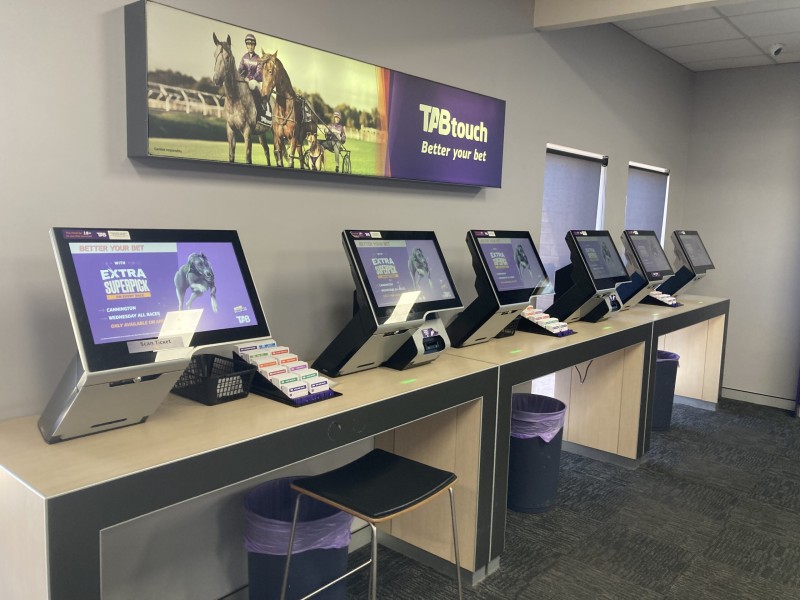
His consultancy was valued at $268,840, although the figure is not directly comparable with WA’s $1.03 million allocation because the two exercises differ in scope and structure.
Queensland provides another recent point of comparison, with its broad examination of the state’s racing industry feeding into the government’s The Next Lap response released in December 2025.
The WA panel’s work follows growing scrutiny of how racing is funded, regulated and administered as wagering patterns change and governments confront competing demands on public resources.
The government has declined to commit to releasing the full document publicly, saying Cabinet will consider the findings and recommendations before determining future action.
Related Articles
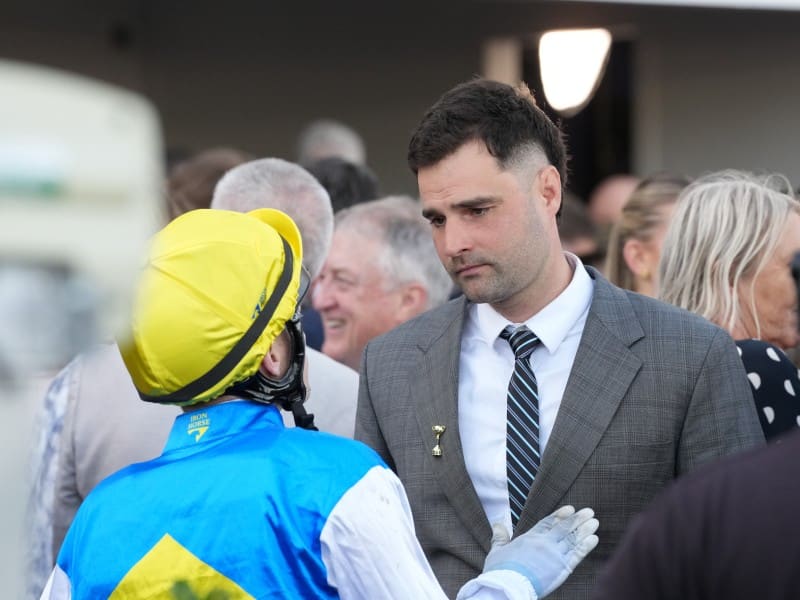
Welcome to racing’s biggest stage – Donaldson-Aitken ready for Group 1 bid
Tyler Donaldson-Aitken has built his business around selling horses, but it will be at Caulfield on Saturday, not Inglis’ Riverside Stables next week, where his biggest moment in the industry may come.
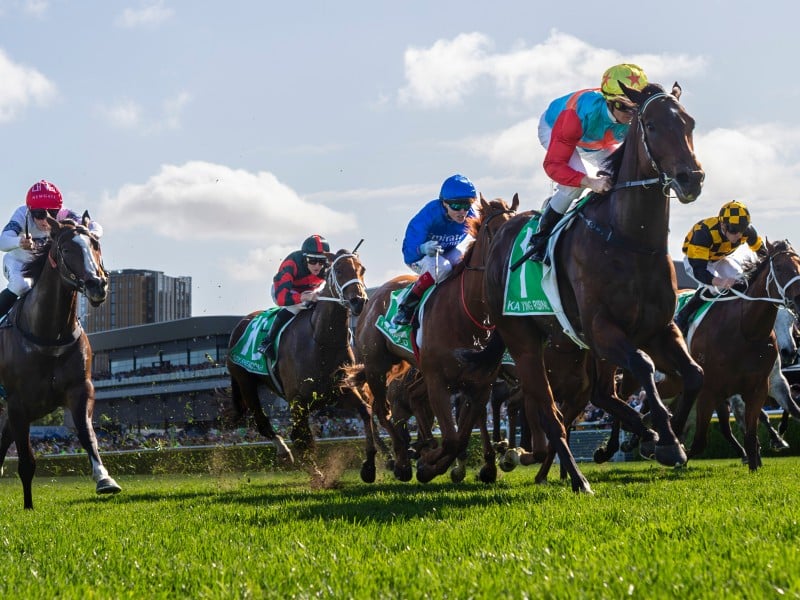
🔒 🔒 The Everest’s new summit – Can the slot model sustain its next phase?
As The Everest approaches its 10th edition, even the most ardent critics of Racing NSW could not deny the success of a one-time “pop-up’ race that has become the Group 1 centrepiece of racing in NSW. But how does the race evolve into its second decade, and will the slot format sustain that industry engagement?
The scope and size of employment in Australia’s thoroughbred industry
Australia’s thoroughbred industry carries considerable political and social weight, contributing not just as a sporting pastime but as a fully fledged industry. But exactly how big is it, and exactly how many people does it employ? We have pulled together the latest national estimates and state-by-state figures.
