
Northern exposure – Australian mares and their passports to success
When 14 ‘international’ yearlings appeared at the recent Inglis Easter Sale, it reconfirmed the global theatre that is breeding and racing.
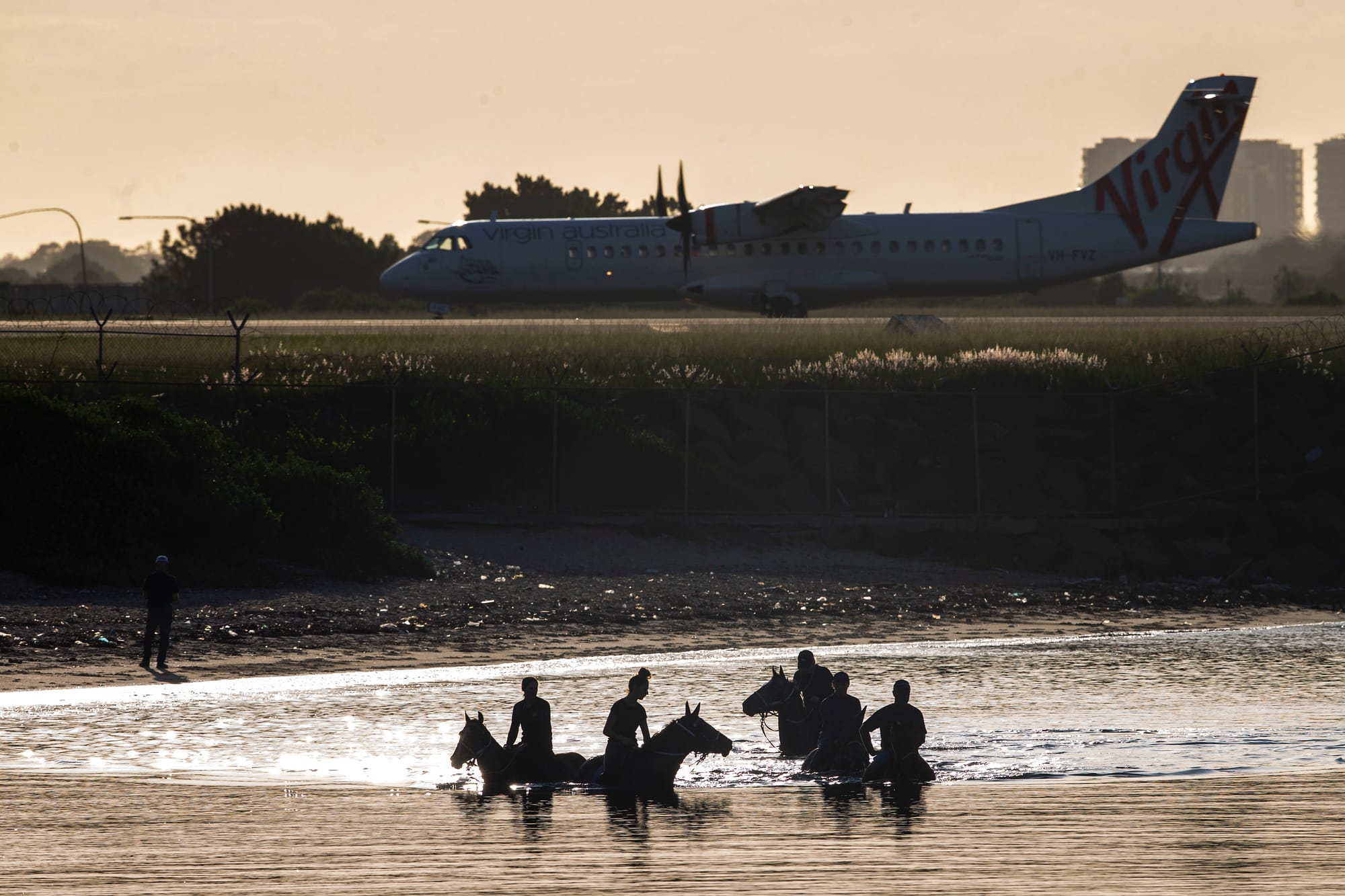
All boasted sires from the northern hemisphere and 13 of their dams were also ‘internationals’. Only Key, a daughter of Exceed And Excel and granddaughter of the New Zealand mare Princess Coup, bore the Australian suffix, as her colt by the world’s premier sire Frankel sold for $800,000.
This is truly a stage with a global reach and passionate audience.
Many Australian owners now send their best mares to the most favoured stallions on earth – in Britain, France, Ireland and the US.
Some bring them home to foal down, some leave them to foal overseas to ‘Australian time’. Others buy mares already in foal and fly them back to have their offspring on home soil.
But is this really a new ‘trend’?
IRT’s Lachie Ford maintains this international movement of mares has grown significantly in recent years.
“I’d say it’s a trend, definitely. I think there is definitely an increase in the (number) of mares we move between December through to February to Australia that have been covered ‘southern hemisphere time … and that includes mares we’ve flown up there for different breeding organisations.”
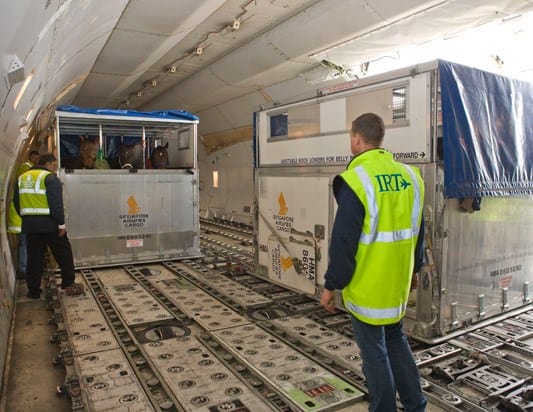
Five years ago, his company flew “probably 30” mares to foal-down in Australia. Now? “I would say between (last) December and February, we’re bringing in close to 120.”
Ford cites a couple of reasons for this rise in the number of mares with passports.
“One is the breeders in Australia are always looking to update their pedigrees for their breeding stock – and (there’s) fewer shuttle stallions travelling to Australia. I would say 10 years ago, we used to bring in about 50 to 60 stallions. We now bring in closer to 20.”
“The colonial stallions are doing so well, but you still need to bring some different pedigrees through the bloodlines. So they’re doing that through the mares.”
Ford also suggests that the value of Australian mares can be seen through a different investment prism.
“I would say that’s 100 per cent correct. But I would also say that it’s harder to buy them off the track here, you know? So I think there’s probably people going ‘OK, we’ve got to start looking at some other options here’.”
Then again, some industry stalwarts insist this fantastic caper started many, many decades ago, albeit without fanfare.
Yarraman Park Stud sold two ‘international’ fillies at the Easter Sale, both by Irish sire Lope de Vega. But director Harry Mitchell recalls Coolmore bringing out mares in foal to Sadler’s Wells. “It’s been going on for quite a long time,” he says.
David Hains was another pioneer, breeding mares to the great Secretariat in Kentucky and flying their offspring back home as yearlings. Hains had extraordinary vision and one of his finest moments as a breeder and owner came when Kingston Rule, a son of Secretariat and Rose of Kingston – an Australian mare with an Italian ‘dad’, Claude – won the 1990 Melbourne Cup.
The Italian Derby winner-turned-sire was bred by the hugely influential Frederico Tesio and stood at his renowned Dormello Stud, before relocating to Hains’ Kingston Park Stud on Victoria’s Mornington Peninsula.
According to the Australian Stud Book, Claude was there for just two seasons (1977 and 1978), siring 21 foals.
There’s little doubt David Hains would appreciate the advances made in this special arena. Travelling horses is safer, to the extent that foals regularly accompany their mothers now on flights to Australia. Professional grooms and vets travel with them, along with private handlers for some of the more ‘high-profile’ equine passengers.
“The colonial stallions are doing so well, but you still need to bring some different pedigrees through the bloodlines. So they’re doing that through the mares”- IRT’s Lachie Ford
Significantly, too, many international studs have warmed to the concept of stallions covering in ‘southern hemisphere time’ – and the value of sending a mare to the world’s top tier of sires is constantly being re-evaluated, as their success rates and general ‘stats’ develop.
Peter O’Brien, general manager at Segenhoe Stud, is succinct in his assessment. “Really, if you look at Frankel, for example – the best stallion in the world – you get 16, nearly 17 per cent stakes winners to runners.
“Kingman (too), he’s like 11.5 per cent in Australia and the champion stallions here, like Snitzel and I Am Invincible, are about 9.5 per cent. So it gives you an idea of how good these horses are.”
O’Brien has a better understanding than most of this international breeding scenario. He first came to Australia “on horse flights” and advises major breeders like Fairway Thoroughbred’s John Camilleri and Peter Walsh, who owns Bumbasina, the dam of Amelia’s Jewel, who is again in foal to French sire Siyouni.
“You know, it gives these younger mares a chance at a stallion that can get you up to those high percentages (and) that increases your chances of breeding a good racehorse.”
Australian breeders pursuing this global dream need ‘global pockets’. Travelling mares to the northern hemisphere isn’t cheap, nor are the stallions’ service fees. Yet, O’Brien recalls that, only three or four years ago, there were financial incentives for mares being covered in ‘southern hemisphere time’ by some international stars.
“Frankel was roughly around $160,000 Aussie, which was incredibly attractive when you weighed (him) up against the proven stallions here,” he says.
“He’s now up to around $275,000 Aussie, which is roughly Vinnie’s (I Am Invincible) fee – and deservedly so. The stallions have proven their worth here, you know, with limited numbers.
“Well, Frankel’s had more numbers than that, but to have 17 per cent is extraordinary. He’s (at) nearly 12 per cent Group winners. So when you’re trying to get that edge and give your mare the best chance, he’s the best stallion to do it.”
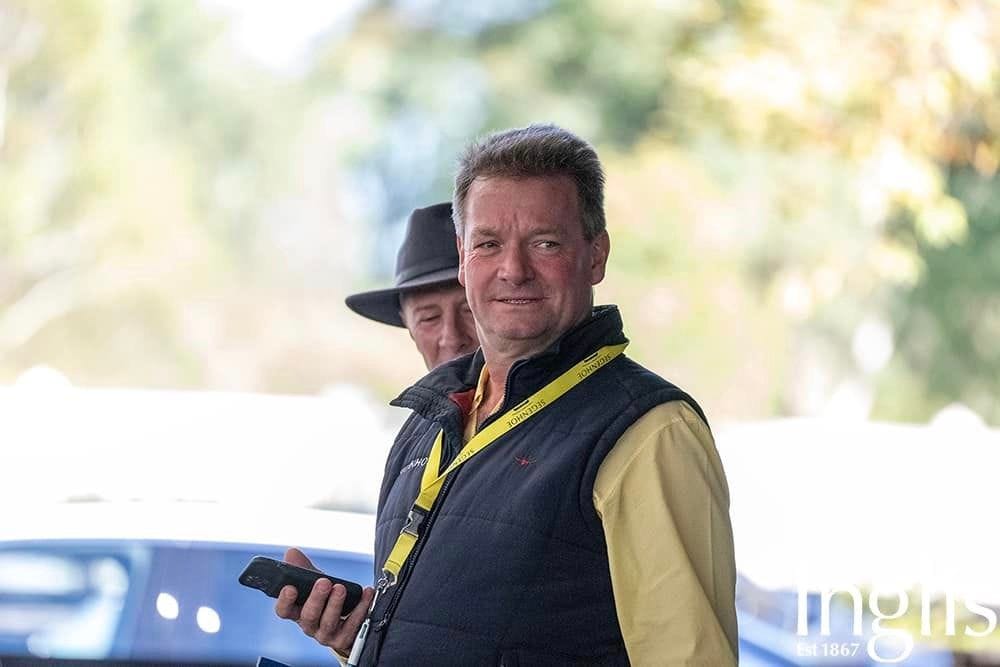
This hands-on horseman, who’s worked with some of the oldest families in the Australian Stud Book, cites another reason for moving Australian mares around the world – and it’s not that fewer shuttle stallions are travelling here.
He notes “the worrisome factor” of some of Australia’s premier stallions getting older and the “big gap” to their heirs-apparent.
Then there’s the Danehill dilemma, the challenge of avoiding close in-breeding.
“There’s a short supply of real proven stallions here in Australia, for various reasons” he says. “If you’ve got a big Danehill-line mare and you’re looking for a neat, non Danehill-line stallion, they’re few and far between.”
Even so, the logistics involved in solving this conundrum via international assignations can prove complex. O’Brien describes Fairway’s decision to send mares to Frankel for two coverings, not just one. “The first lot we did, they came back and foaled here. But then we realised, for the cost of the exercise, why don’t we have two?
“So we have four yearling fillies that arrived back (recently) by Frankel. Their mothers stayed in England, foaled in England, Australian time, went back to Frankel and then they came back. So basically, rather than send them all that way and just get one Frankel, we sent them up for two years and got two Frankels.
“And then we’ve had four Frankel foals come back on their mothers – three fillies and a colt – and Bumbasina holds the Siyouni (foal). So for us it’s very exciting, because you’re getting a diversity. But again, three years ago, Frankel was $160,000 Aussie.”
But this ‘breeding theatre’ has a constantly changing backdrop.
Many Australian owners hoping to send mares to US Triple Crown star Justify this spring will now have to readjust their plans, with the news that he won’t be shuttling to Australia in 2024. But he will be covering to ‘southern hemisphere time’ at Coolmore’s Ashford Stud in Versailles, Kentucky.
“There’s a short supply of real proven stallions here in Australia, for various reasons. If you’ve got a big Danehill-line mare and you’re looking for a neat, non Danehill-line stallion, they’re few and far between” – Segenhoe Stud general manager Peter O’Brien
It seems fair to say, then, that this is more an evolving ‘trend’ within the breeding and racing scene than a new one.
Mitchell, who oversees Australia’s leading sire I Am Invincible at Yarraman Park, believes it will continue.
“I think it will stay steady, depending on the stallions over there,” he says. “But I think it will always be there. I don’t think it’s going to boom, but I think it’ll continue.’
This is dependent, naturally, on the horses it produces continuing to impress. Victorian-based trainer Grahame Begg bought one of the 14 ‘internationals’ at the recent Easter Yearling Sale – the cheaper (at $280,000) of Yarraman Park’s two Lope de Vega fillies.
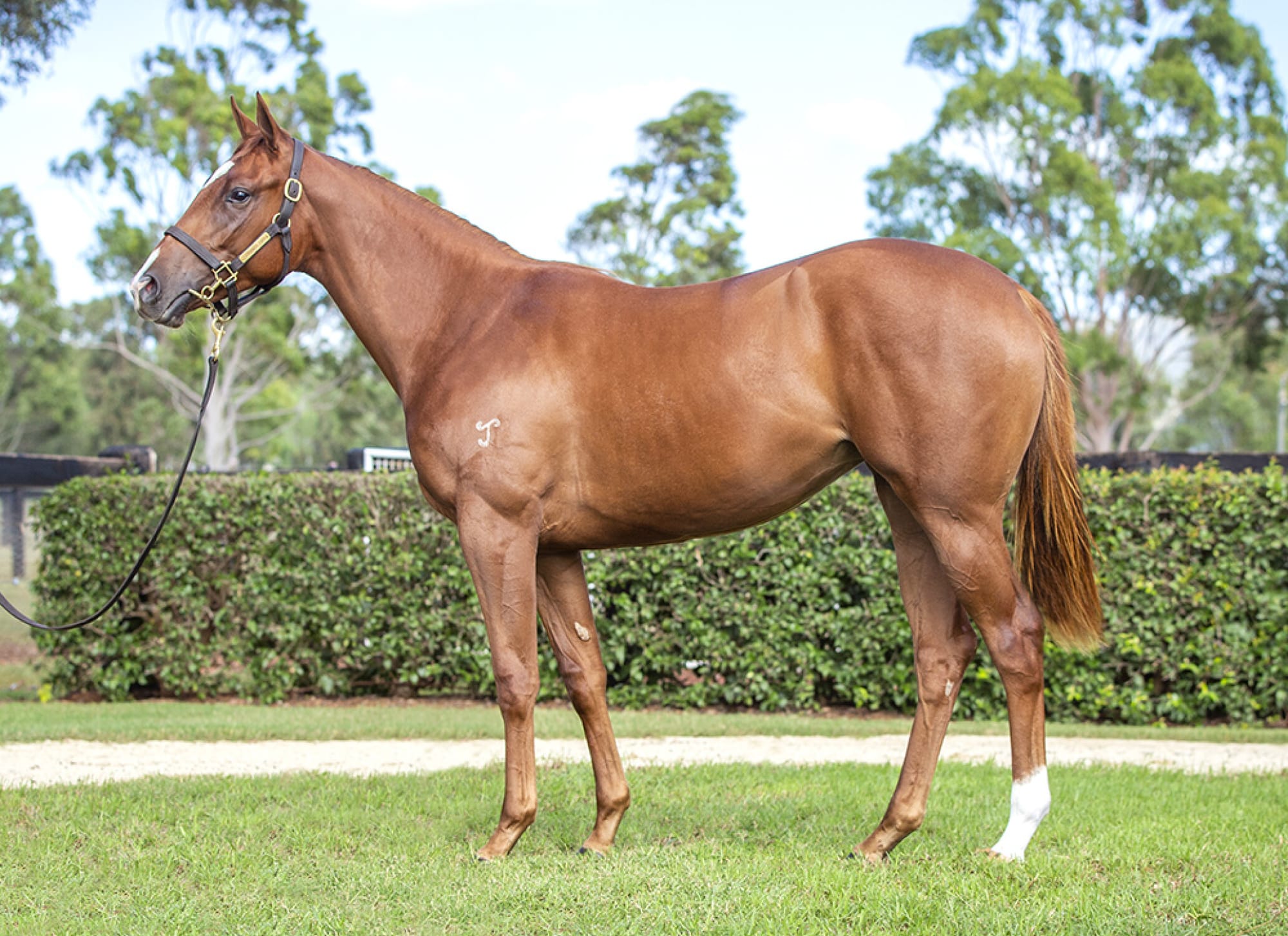
Did her international ‘backstory’ intrigue him? “I just felt she was a very athletic filly and she just took my eye straight away. She did, the first time I saw her,” he says.
“Obviously, she’d been reared at a very good farm and was presented at the sale in very, very good order. But she was a very imposing filly. And I really love Lope de Vega.”
Related Articles
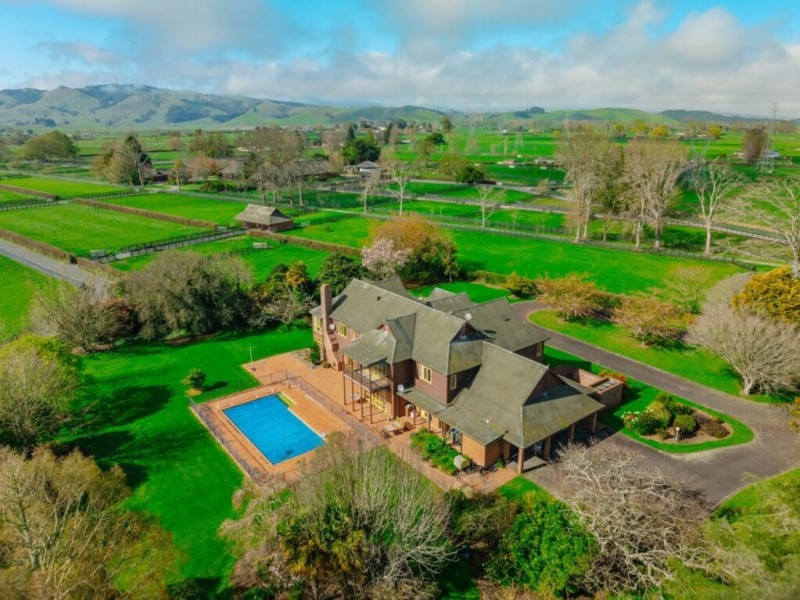
Hong Kong investors staying the course despite losing out on The Oaks Stud
New Zealand-based agent Alan Fu says a Hong Kong consortium that missed out on buying The Oaks Stud is continuing to purchase broodmares to underpin its ambitions to bred Classic winners.
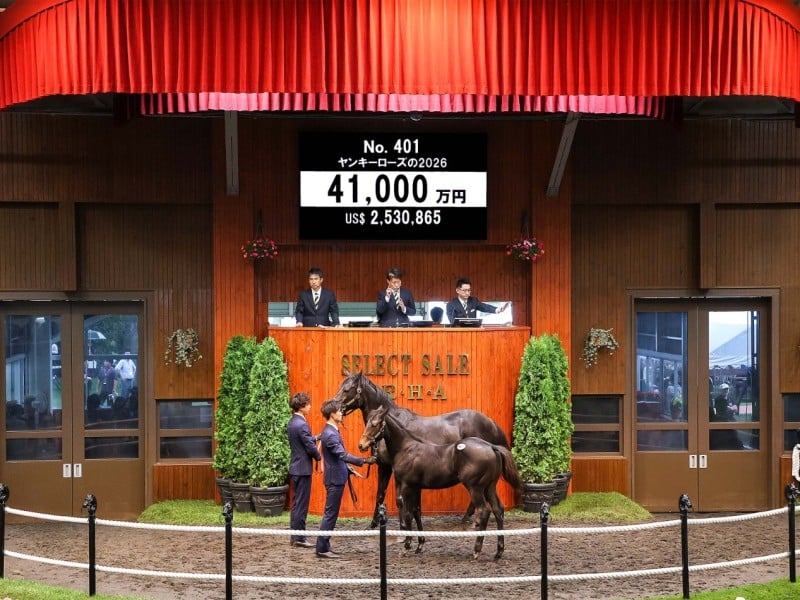
Yankee Rose, Funstar foals star in Hokkaido
Buyers dug deep to access proven Australian families at the JRHA Select Sale, with the latest foals from Yankee Rose and Funstar helping to continue a remarkable run of success for imported Australian mares in Japan.
Run The Numbers – Lindsay Park rules the juvenile roost again
Australia’s two-year-old ranks provide an invaluable insight into the future of the racing and breeding industry. Run The Numbers examines the season’s juvenile winners, their trainers, owners, sires and sale-ring prices and finds Lindsay Park’s re-emergence as a powerhouse of Australian two-year-old racing.
