
Queensland trainers escalate fuel crisis fight as subsidy impasse continues
Queensland trainers are intensifying calls for fuel relief, warning that mounting transport costs and lack of subsidies threaten participation levels, particularly in regional areas where long-distance travel underpins the racing industry.
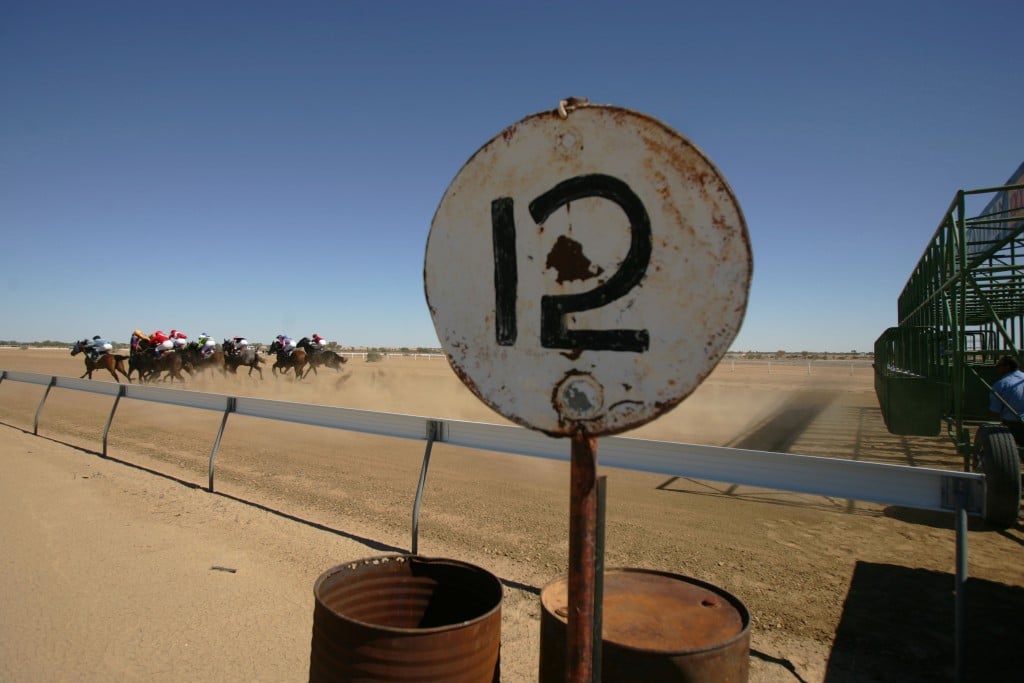
Queensland thoroughbred trainers will escalate their fight for financial relief to the state government after the regulator declined to offer fuel subsidies, intensifying concerns across regional racing communities grappling with soaring transport costs.
The Australian Trainers’ Association’s Queensland branch is preparing a formal approach to the state’s Racing Minister as frustration mounts over Racing Queensland’s (RQ) stance.
Executive officer Richard Andrews confirmed discussions with RQ have failed to yield financial support despite sustained calls for relief over the past week.
“We’ve been lobbying Racing Queensland … their position is they’re not in a position to provide any assistance at this point in time,” Andrews told The Straight.
The impasse leaves Queensland among Australia’s major racing jurisdictions after Racing NSW and Racing Victoria both introduced fuel relief packages.
That contrast has sharpened the focus on Queensland, where the tyranny of distance magnifies the financial strain on trainers, jockeys and owners.
Regional trainers, particularly in Central and North Queensland, are among the hardest hit, often travelling hundreds of kilometres to attend race meetings.
Andrews warned that some members of the association are already questioning the viability of continuing to race under current conditions.
“Those trainers are doing 10-hour round trips to go to race meetings, and there will be a point where it’s going to not be a feasible option,” he said.
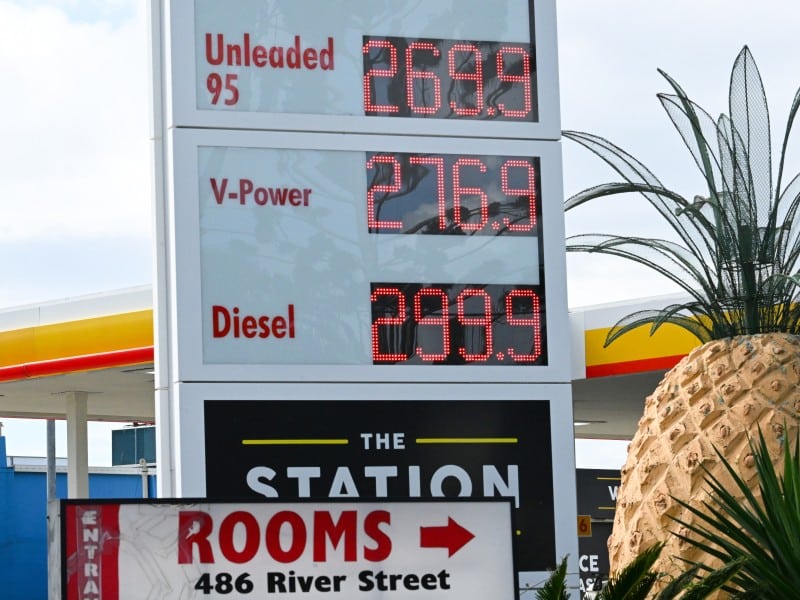
The crisis continues despite the federal government’s move to halve the national fuel excise, a measure designed to ease cost-of-living pressures but one that has provided only partial relief.
Fuel is one of the largest operational expenses, particularly for those transporting horses across vast regional areas.
Andrews says such cost escalations are likely to force decisions within stables, including reducing horse numbers or limiting raceday attendance.
“If I was a trainer in (regional Queensland) area at the moment, I’d be looking at half my stable going … I’d be thinking, should I be sending half of them to the paddock,” he said.
The economic pressure is compounded by prize money structures in Queensland, particularly at non-TAB meetings where returns are limited away from the top finishers.
“How do you expect a trainer to drive five hours to a non-TAB meeting, run fifth and get zero dollars for it?” Andrews said.
The potential knock-on effects extend beyond individual trainers to the broader racing program.
Field sizes are also at risk, with insufficient acceptances potentially leading to race cancellations and programming disruptions under existing RQ policy settings.
Andrews says the issue is not confined to one segment of the industry with trainers in Queensland’s southeast corner also affected.
“It’s everywhere … even Gold Coast trainers will travel 250 to 300 kilometres to go to a race meeting,” he said.
Despite acknowledging RQ’s financial constraints across three codes, Andrews believes intervention is necessary.
The Queensland organisation is now turning its attention to Racing Minister Tim Mander in a bid to apply pressure.
The strategy centres on urging the government to encourage Racing Queensland to reconsider its position or unlock existing funding.
“We’ll make our case to the Minister … which I appreciate that it’s something that he would have to then urge Racing Queensland to consider,” Andrews said.
“He can’t come out and say ‘I’m going to do something for the racing industry’ when he’s not doing anything for any of the other industries in Queensland.
“But we want to let him know that this is a significant issue, particularly given the geography of North Queensland and Central Queensland.”
From Wednesday, licensed trainers in Victoria will receive a $100 subsidy per starter in a race to assist with operational and transport costs.
Licensed jockeys will receive a $50 payment per race meeting attended, in addition to existing riding fee arrangements, while Off The Track providers will see a 10 per cent increase in subsidies per horse.
“With our large network of country racetracks and training businesses, fuel is a significant cost for the industry, and these measures are designed to provide immediate relief to trainers, jockeys and staff across Victoria,” Racing Victoria chief executive Aaron Morrison said.
Racing NSW was the first regulator to introduce fuel relief rebates, rolling out a $3.1 million package to industry workers last week.
The Racing NSW-funded package, guaranteed until May 31, includes a race starter subsidy up to $200 and an increase in a jockey travel allowance per meeting.
“We know costs across the board have surged, not just fuel prices, but the levy surcharges on top of them,” Racing NSW chief executive Peter V’landys said.
“People in this industry are doing it tough and we want to help.
“This package puts real money back in people’s pockets straight away. We’ll keep watching conditions and increase the funding if needed.”
Rebates have also been set up across harness and greyhound codes.
Meanwhile, Racing SA has moved to ease mounting cost pressures, unveiling a temporary fuel relief package in response to rising energy prices and supply concerns.
Racing SA says the measures will take effect from April 1 and under the structure, trainers will receive travel-based payments per starter, scaled according to round-trip distance, with $25 allocated for trips up to 50km, capped at $50 per trainer.
Those travelling between 51km and 150km will receive $50 per starter, capped at $100, while distances beyond 151km attract $75 per starter, capped at $150.
The model applies to South Australian trainers and extends to interstate stables competing at Saturday metropolitan meetings.
Riders will also receive targeted assistance, with a $50 payment per meeting for those who earn three or fewer riding fees, while clubs will receive an additional $1000 per meeting to offset rising track and venue maintenance costs.
ATA SA state executive Damien Wilton said the initiative would provide immediate support for those dealing with escalating expenses.
“Rising fuel prices affect every part of a trainer’s operation, from raceday travel through to feed, freight and general business costs,” Wilton said.
Related Articles
🔒 🔒 The Everest’s new summit – Can the slot model sustain its next phase?
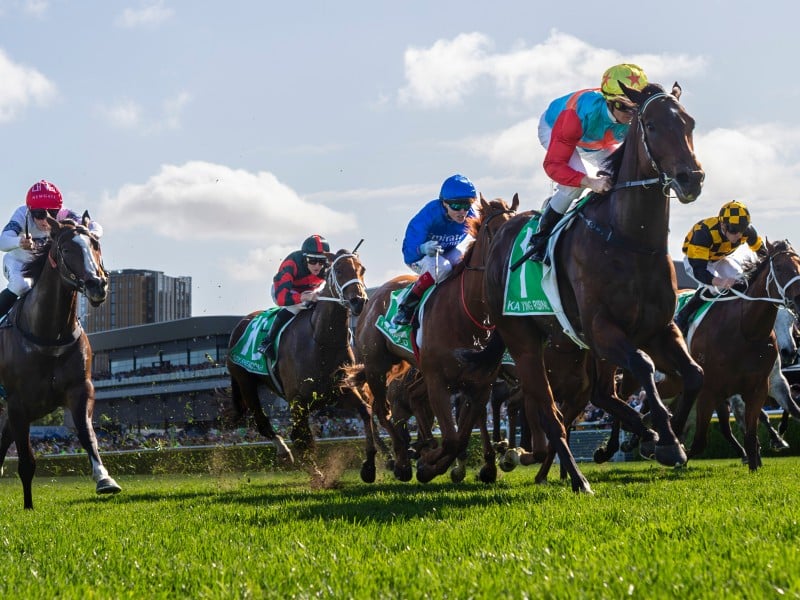
As The Everest approaches its 10th edition, even the most ardent critics of Racing NSW could not deny the success of a one-time “pop-up’ race that has become the Group 1 centrepiece of racing in NSW. But how does the race evolve into its second decade, and will the slot format sustain that industry engagement?
The scope and size of employment in Australia’s thoroughbred industry
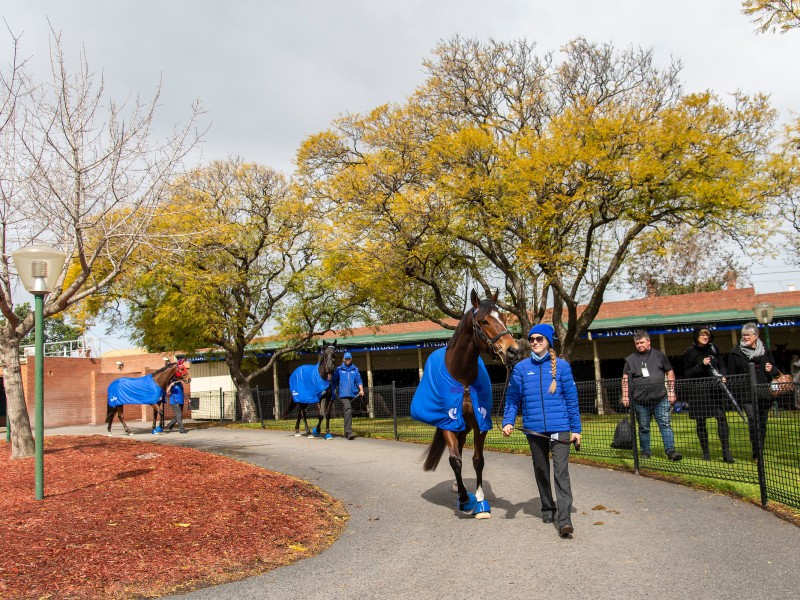
Australia’s thoroughbred industry carries considerable political and social weight, contributing not just as a sporting pastime but as a fully fledged industry. But exactly how big is it, and exactly how many people does it employ? We have pulled together the latest national estimates and state-by-state figures.
🔒 🔒 Perth Racing flags profitability challenge despite gains
Perth Racing has reduced its annual loss but remains under pressure to turn stronger revenue, increased activity and major investment into sustainable returns as the WA racing industry awaits the findings of an independent funding and sustainability review.
