
🔒 🔒 Racing WA acts to safeguard Railway’s Group 1 status amid international ratings scrutiny
The Railway Stakes has emerged as another battleground in Australian racing’s changing relationship with international authorities and the increasingly exacting standards governing Group 1 status.
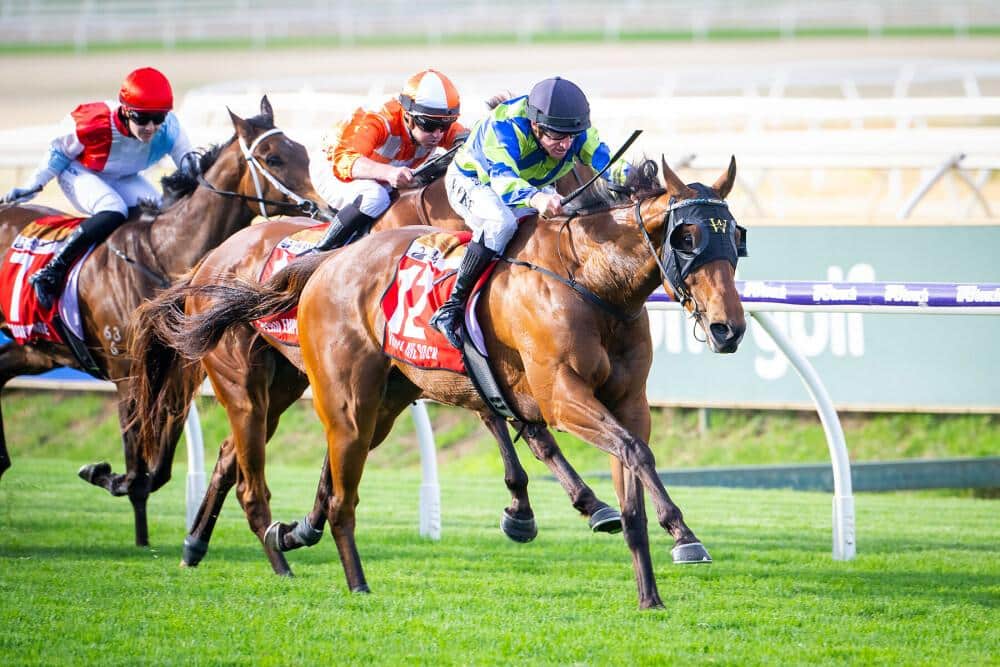
West Australian racing is taking direct action to protect the Group 1 status of the Railway Stakes, moving to compress the weight scale in a bid to attract stronger opposition to the state’s most prestigious race.
Following what it says was industry consultation, Racing WA will lift the minimum weight for the $1.5 million Railway Stakes from 53kg to 54kg.
The same adjustment will be made to the Group 2 Perth Cup.
It comes after the Railway was among a cluster of Australian Group 1 races placed under scrutiny by the Asian Pattern Committee (APC), which has become increasingly focused on whether the country’s premier handicap races consistently attract fields capable of meeting international standards.
Racing WA’s head of thoroughbred operations Vinny Meens said the weight change was a targeted attempt to improve the quality of the Railway field and its subsequent ratings figures.
“The main rationale behind compressing the weight scale by 1kg is that it may help attract higher-rated horses to the race, while also slightly increasing the likelihood of them finishing prominently and contributing their peak rating to the annual race rating,” Meens told The Straight.
The Railway has historically favoured horses at the bottom of the handicap, with nine of the past 12 winners carrying the 53kg minimum and no winner carrying more than 54kg since Luckygray scored with 58kg in 2013.
Western Empire carried 58kg when finishing second last year, but only two other topweights have finished in the first three since Luckygray’s success.
The significance of that trend is magnified by the way race ratings are calculated, with the performances of the leading finishers potentially making the difference between a Group 1 retaining its status and being sent down a level.
The international Group 1 benchmark is 115, with a three-point tolerance, meaning small differences in the ratings of horses occupying the key finishing positions can have significant consequences.
Meens said WA’s geographic isolation made it particularly important for officials to find ways to encourage highly rated eastern states horses to make the trip west.
“If it can entice even one higher-rated horse – internationally rated around 115 – from the eastern states, it could significantly improve the race’s chances of meeting the Group 1 benchmark,” Meens said.
“The limited cross-border participation in WA means our top-class horses often do not have the same opportunities to compete against other Group 1-calibre fields and improve their ratings later in the season.”
The potential wagering impact of increasing the minimum weight was assessed before industry bodies were consulted and was considered low, while officials believe the move carries no ratings downside.
“From a ratings perspective, the change will have no negative impact on the race,” Meens said.
Perth-trained horses have dominated the Railway in recent seasons with only Gathering (52kg, 2010), Good Project (53kg, 2015) and Port Lockroy (53kg, 2024) figuring as visiting winners over the past 15 years.
Perth Racing chief executive James Oldring said the club backed the decision because of the Railway’s importance to both the state’s racing industry and its broader carnival.
“Perth Racing is wholly supportive of any measures that Racing WA and the thoroughbred industry take that play a role in safeguarding the Group 1 status of one of our most iconic races,” Oldring said.
“The race remains one of the most sought-after prizes in WA racing, continues to attract interstate competition and comfortably boasts the highest attendance of any day of our feature carnival, the Pinnacles.”
The weight adjustment will sit alongside Perth Racing’s existing efforts to entice eastern states horses to the Pinnacles, including incentives designed to offset travel and stabling costs and a program that provides visiting horses with multiple opportunities to race for substantial prizemoney.
Meens accepts the alteration is only one part of the strategy, but believes it provides another lever to improve the composition of the field.
“While we don’t expect it alone to solve the issue, it is a sensible measure that may improve the race’s prospects of achieving the required rating,” Meens said.
A need for such measures has become more apparent since the APC assumed a greater role in Australian Pattern decisions after Racing Australia lost responsibility for administering the country’s black-type program following years of governance disputes.
The APC’s initial review of Australian races this year left the Railway at Group 1 level, but its treatment of The Metropolitan has demonstrated that established status offers no guarantee of protection.
A historic Randwick staying race, The Metropolitan was first run in 1863 but was downgraded from Group 1 to Group 2 after Racing NSW decided not to proceed with proposed changes to its conditions that had been agreed as part of an arrangement to preserve its classification.
The Metropolitan had failed to meet the relevant rating parameters for three consecutive seasons, prompting the APC to consider its status at its July meeting.
The committee initially agreed that the race could remain a Group 1 for 2026/27 if the proposed changes were implemented, but Racing Australia subsequently advised that Racing NSW would not proceed and requested the downgrade.
The Asian Racing Federation endorsed the APC decision, while the International Grading and Race Planning Advisory Committee of the International Federation of Horseracing Authorities was notified for the purposes of international classification.
The decision marked a significant departure from the previous Australian system, under which Racing Australia administered the Pattern but was hamstrung by the competing interests and veto powers of the major state bodies.
Those disputes contributed to years of stalled reform before the Asian Racing Federation intervened, with a Black Type Advisory Group now assessing Australian races and making recommendations to the APC.
The APC, however, is not obliged to accept those recommendations, leaving Australian racing with considerably less control over the status of its most important races than it has traditionally enjoyed.
But in the case of the Railway, Racing WA said the APC gave no direction to amend the race conditions, and the move was made independently.
Related Articles
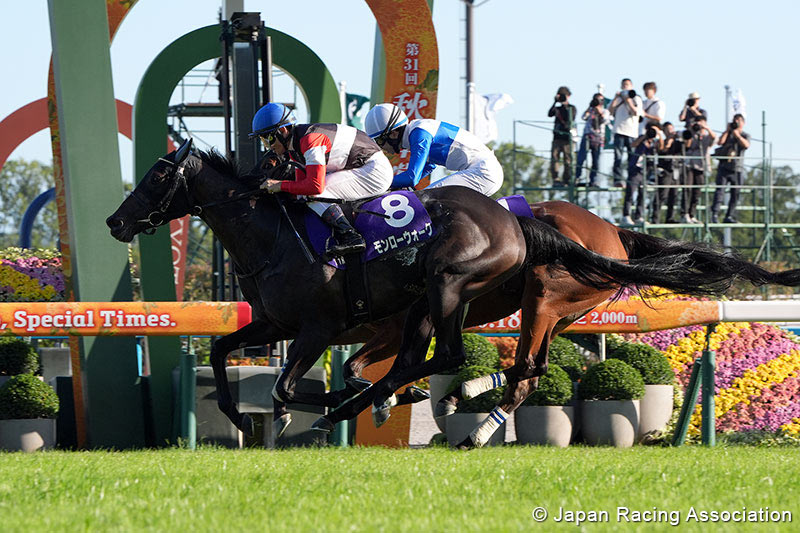
Monroe Walk becomes latest Japanese Group 1 winner out of an Australian mare
Monroe Walk, a Kizuna filly out of Thousand Guineas winner Amphitrite, remained unbeaten in the Shuka Sho at Kyoto, equalling the course record at her first Group 1 start.
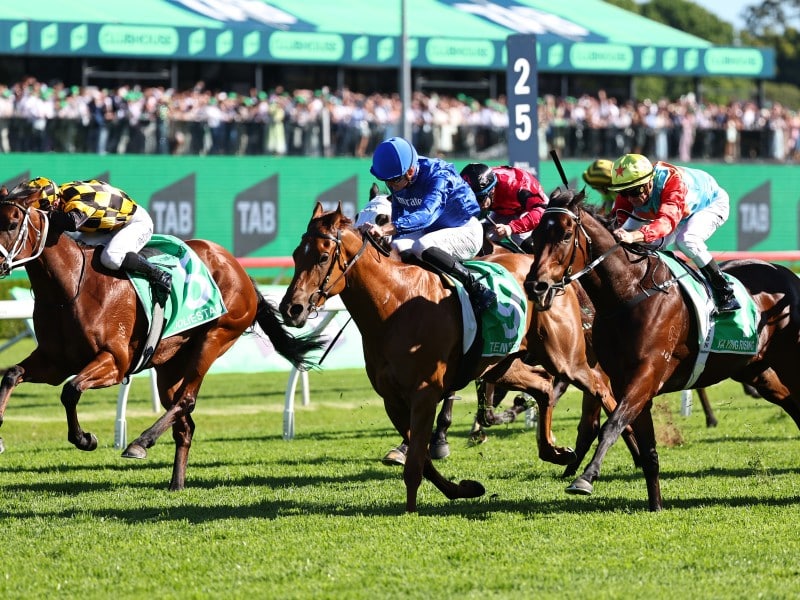
Tempted upsets Ka Ying Rising in epic Everest
Tempted has lowered Ka Ying Rising colours in an epic edition of Australia’s richest race, the $20 million The Everest, handing Godolphin one of its most significant Australian results.
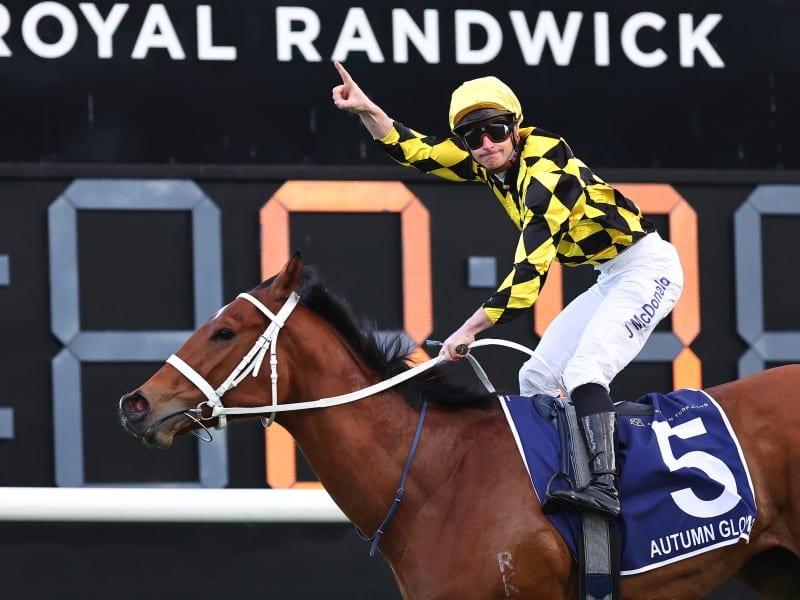
Autumn Glow beats Ceolwulf for fifth Group 1 with Royal Ascot in view
Autumn Glow claimed her 14th win from 15 starts as the Chris Waller-trained mare took the King Charles III Stakes, with a Royal Ascot trip in June still on the table.
