
Barrier blunder: spreadsheet error led to Hobart Cup shortfall
A review of the circumstances which saw the Hobart Cup run 38 metres short of its advertised distance has found a litany of errors led to the blunder, but cleared the chief steward’s decision to allow the race to proceed despite knowing the barriers were in the wrong position.
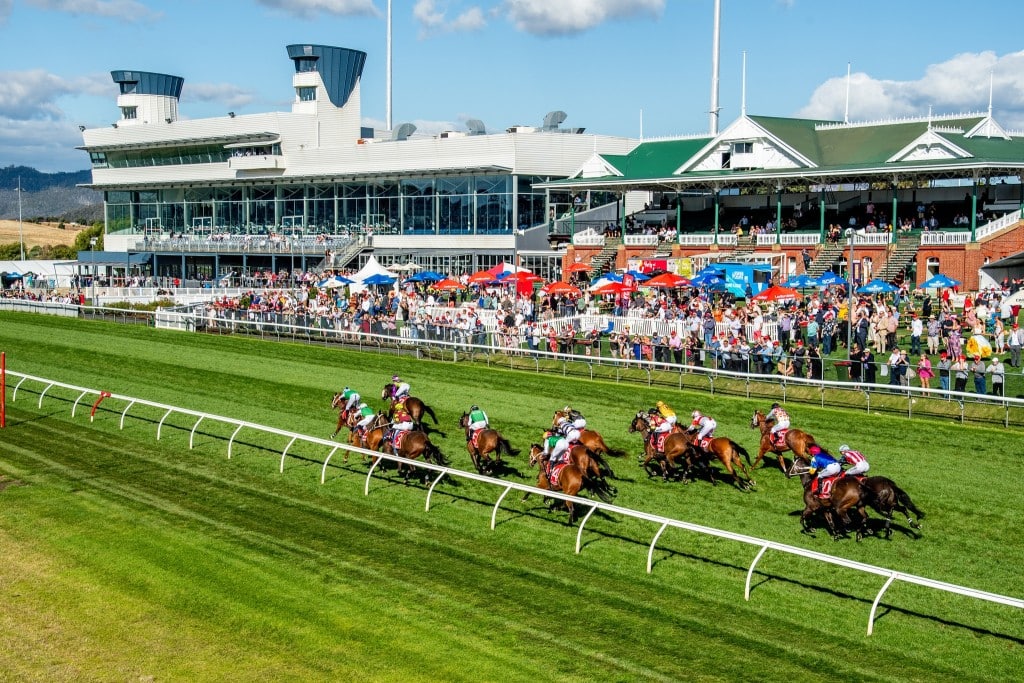
Tasracing has promised to review its raceday systems and procedures after an independent report found a cascade of errors, including an incorrect spreadsheet, led to the state’s feature race, the Hobart Cup, being run almost 40 metres short of its advertised 2400 metres.
Tasmanian Racing Integrity Commissioner Sean Carroll conducted an investigation into the embarrassing mistake on one of Tasmania’s biggest racing days, which was attributed to an erroneous spreadsheet informing track staff where to place the barriers for the 2026 event.
The starting gates were set in place at 37.71 metres below the required distance.
While the error was identified by the starter and barrier staff before the race, the chief steward decided to continue at the reduced distance, an authority granted to them under the Australian Rules of Racing.
However, there was no stakeholder or public communication of the decision on the day, while Tasracing’s executive was then found not to have escalated the issue once they were aware of it after the race was run in record time.
“Significant failings and areas for improvement were identified in Tasracing’s policies and procedures, including deficiencies in documentation standards, clarity of roles and responsibilities, and the absence of adequate escalation, verification, and critical incident management processes,” the report said.
The investigation found similar incidents had occurred at Avoca in 2021, Tuncurry-Forster in 2024 and Mudgee in 2024.
The Hobart Cup investigation saw Carroll’s office interview 21 different people. It was established that the spreadsheet issue had been ongoing for at least four years, but that previous staff had adjusted for the error.
Carroll offered nine recommendations from his investigation, including improvements in technical and role specific induction, ongoing training, performance review and handover as well as preservation and recording of company knowledge.
He also recommended reviews in pre-race compliance and escalation processes for issues arising; and how critical incidents were identified and communicated, specifically to the media.
“I acknowledge the significant public and industry interest in the 2026 Hobart Cup, and the outcomes of this investigation,” Carroll said.
“The Hobart Cup is the centrepiece event on the Tasmanian summer racing calendar, and I share the expectations of the Tasmanian racing industry and broader public that all races conducted by Tasracing are held to the highest standard of integrity.
“Tasracing is reviewing and improving its race day systems and procedures, with a greater focus on supporting staff to deliver their roles effectively and to the highest standard, to ensure that such an incident does not happen again.”
Author

Related Articles
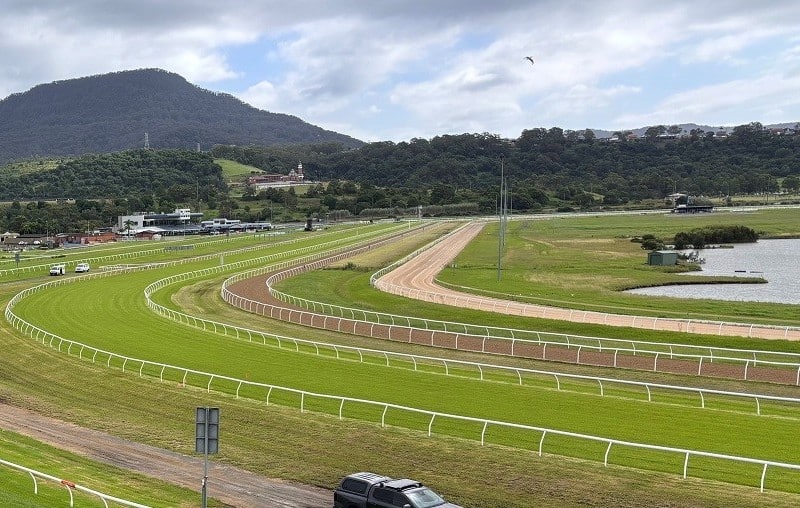
Illawarra Grange launch signals potential wet-weather shift for NSW racing
A new $8 million inner track at Kembla Grange is expected to reshape programming across NSW’s South Coast by reducing washouts and strengthening training and racing capacity in all conditions.
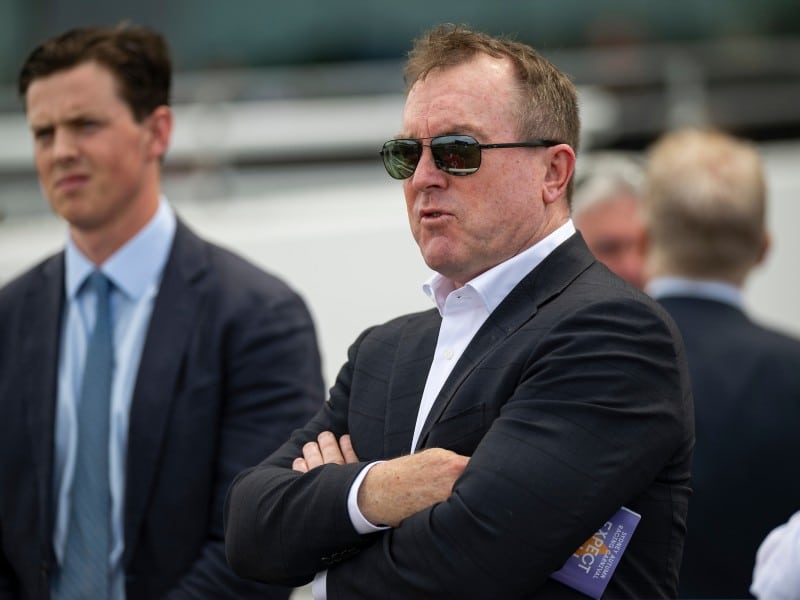
O’Shea’s four-month disqualification reinstated after Racing Appeals Tribunal backs local law
John O’Shea’s four-month disqualification, imposed by Racing NSW stewards after his verbal altercation with Racing NSW vets, has been effectively reinstated after the Racing Appeals Tribunal backed the regulator’s right to charge him under a local law of racing.
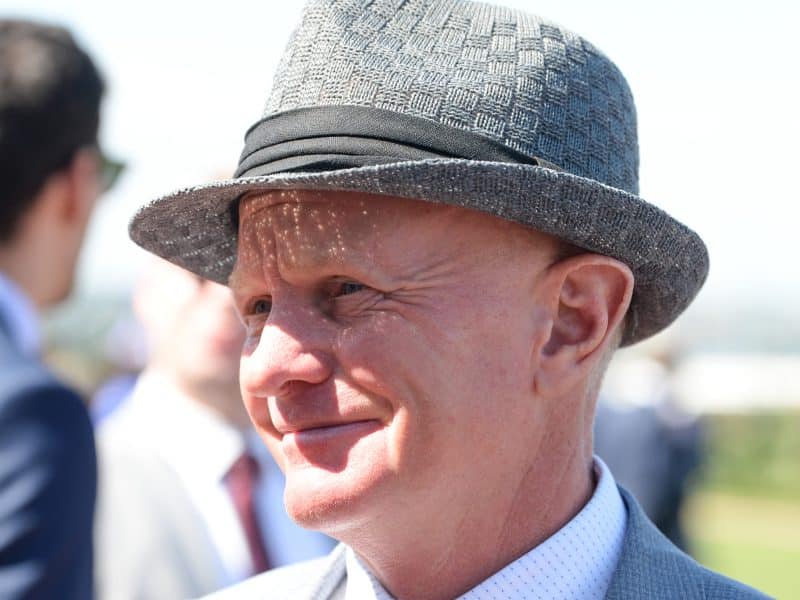
Stokes, OTI claim back-to-back SA Derbies
Kiwi import Wigmore caused a major Group 1 upset in the South Australian Derby, giving trainer Phillip Stokes and owners OTI a second-straight win in the Classic.