
Field of contrasts – NSW race fields slump as South Australia soars
After three years of wagering turnover declines in Australian racing, NSW, Queensland and Tasmania are facing the compounding impact of reduced average field sizes.
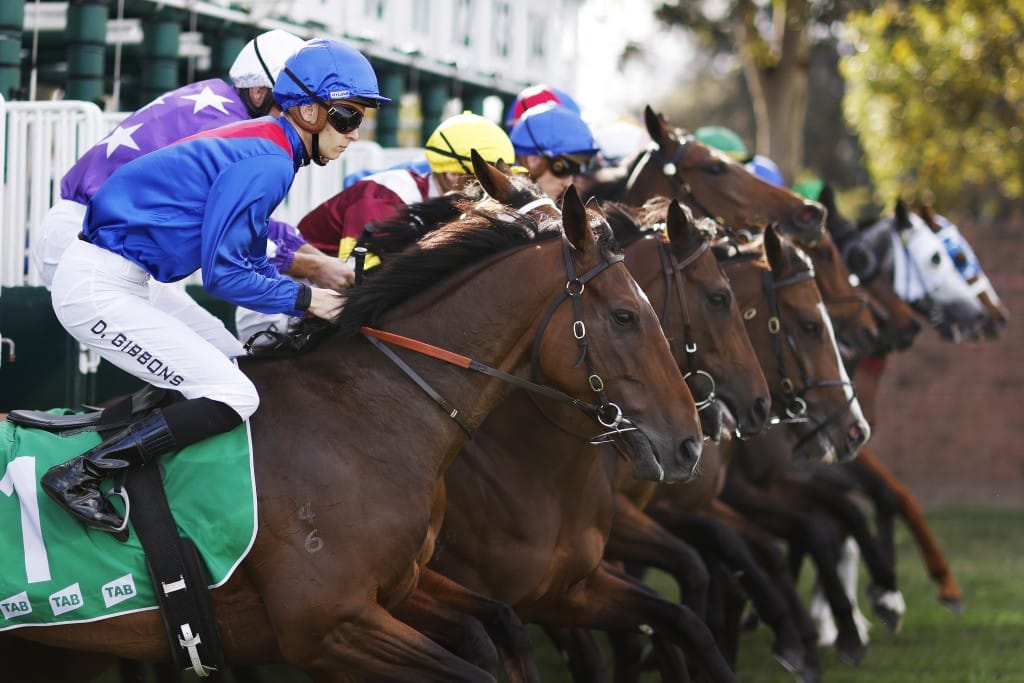
Two of Australia’s six state-based racing jurisdictions recorded drops in average field sizes in 2024/25, including NSW, which has fallen to its lowest average in the Peter V’landys era.
Racing NSW’s annual report, released last week, confirmed that the average field size of a NSW race is now just 9.35, the lowest it has reported since V’landys took office in 2004.
The field average for NSW has dropped to 9.35 from 9.5 in the space of a year and is now a full runner down on what the average was in 2009/10 (10.37).
The statistic is significant as it is acknowledged that stronger fields are a strong driver of additional wagering.
Queensland’s thoroughbred average field size has also fallen to 9.07 from 9.16, although its long-term field average over the past 10 years has been around 9.
Tasmania was the third state to have seen its average field size drop from 2023/24 to 2024/25, sinking to 9.1 from 9.5. It had previously been on an upward curve from 8.9 since 2020/21.
The desire to increase field sizes is one of the key aspects of the current draft version of Racing NSW’s strategic plan.
The final version of that plan has yet to be publicly released 12 months after the draft was put out for consultation.
It is an item in Racing NSW’s plan for growing industry funding.
“Improving field sizes by investing in racing and training infrastructure and programming and handicapping strategies,” it says.
Furthermore, it described growing field sizes as part of a critical strategy to address turnover declines, increase prize money levels, and defray owners’ costs.
The strategic plan says the export of horses out of NSW is impacting field sizes by around 0.58 starters per race. It also points to a shortage of higher class of horses impacting the numbers.
“With the backdrop of declining foal crops, lower horse registrations and exports out of NSW, race field sizes have been under pressure,” the plan concedes.
The phrase “field sizes” features on 22 separate occasions throughout the strategic plan.
Breaking down the NSW figures further, the average metropolitan field size dropped from 9.98 to 9.79, provincial field sizes from 8.89 to 9.69, country TAB from 9.94 to 9.80, country Saturday from 9.88 to 9.6, while picnic fields slipped from 6.33 to 6.27.
The only sector to increase was County Non-Tab, where the average was 7.79 as opposed to 7.73 the year before.
The average field size dropped by 0.15 of a starter despite the fact that there were 11 fewer meetings and 66 fewer races in NSW in 2024/25 compared to the previous year
The total number for starters was 50,667, which apart from the two pandemic-impacted years of 2020/21 and 2021/22, was the lowest this century.
Across Australia, the average field size for 2024/25 was 9.52, a small jump of 0.02 from the previous year and the highest since 2019/20.
Victoria had a slight increase from 9.67 to 9.73, broadly in line with its average over the past decade, while Western Australia was also marginally up from 9.79 to 9.83.
South Australia was the dramatic improver, jumping to 10.84 from 10.29 the previous year. SA racing’s average field size was the lowest of any state in 2018.19 at 8.82, and it now has the highest.
“The fact that our average field size has increased from 8.7 per race 5 years ago to the best in Australia for the second year running at 10.8 this year, has sheltered us from the turnover and thus financial downturn seen across the rest of the nation,” Racing SA chairman Rob Rorrison said in the release of the 2024/25 annual report this week.
The ACT’s average field size also rose from 8.77 to 9.25.
Victoria’s breakdown of field sizes saw a rise to 9.9 for country areas, drop slightly to 9.8 for metropolitan meetings and increase to 7.2 for picnic fixtures.
Author

Related Articles
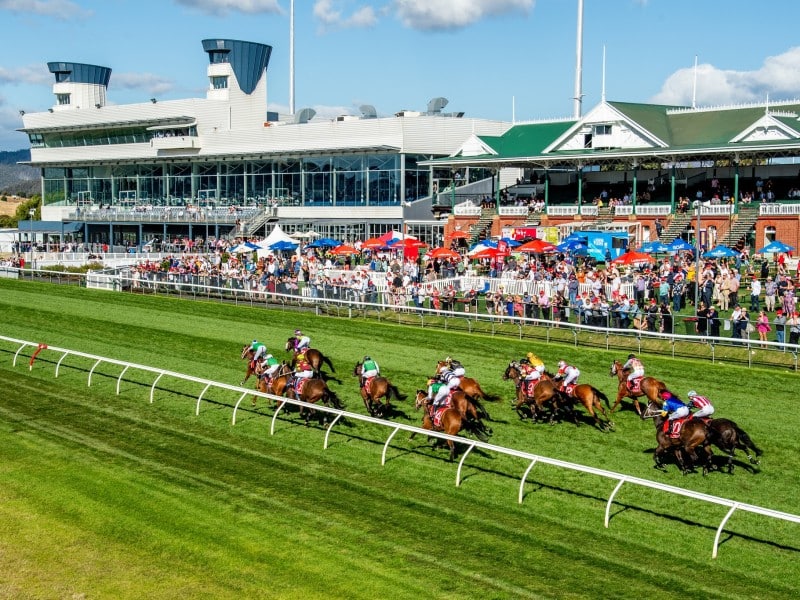
Barrier blunder: spreadsheet error led to Hobart Cup shortfall
A review of the circumstances which saw the Hobart Cup run 38 metres short of its advertised distance has found a litany of errors led to the blunder, but cleared the chief steward’s decision to allow the race to proceed despite knowing the barriers were in the wrong position.
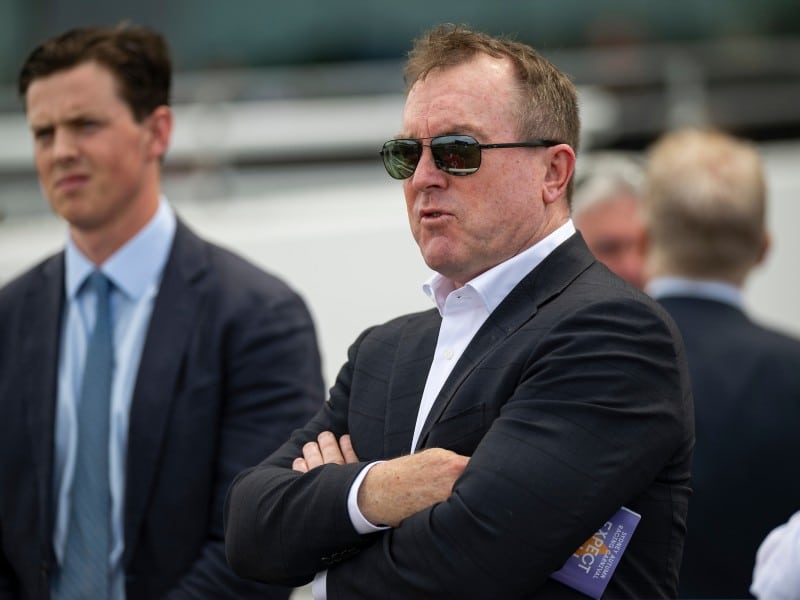
O’Shea’s four-month disqualification reinstated after Racing Appeals Tribunal backs local law
John O’Shea’s four-month disqualification, imposed by Racing NSW stewards after his verbal altercation with Racing NSW vets, has been effectively reinstated after the Racing Appeals Tribunal backed the regulator’s right to charge him under a local law of racing.
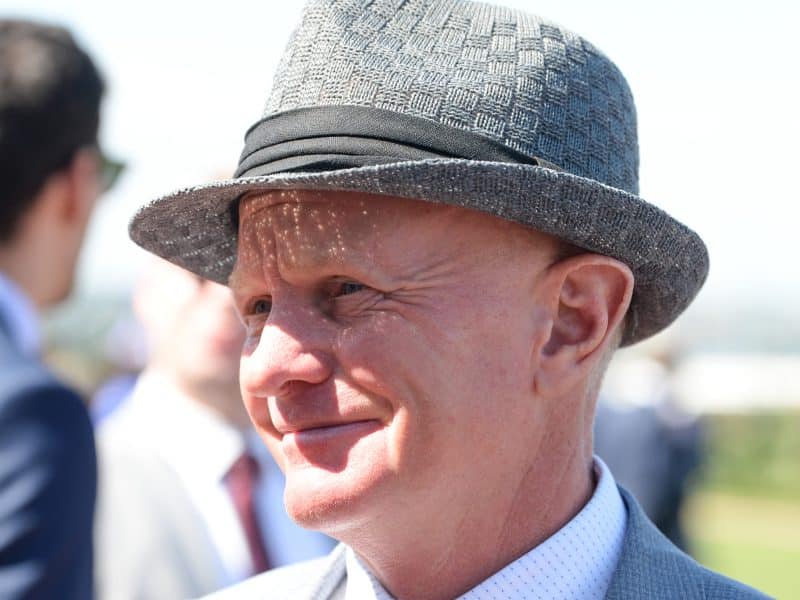
Stokes, OTI claim back-to-back SA Derbies
Kiwi import Wigmore caused a major Group 1 upset in the South Australian Derby, giving trainer Phillip Stokes and owners OTI a second-straight win in the Classic.